Stretch Cruiser vs Regular Cruiser: Key Differences & Which Is Better
Introduction
Cruiser bikes are synonymous with comfort, style, and laid‑back riding — whether you’re gliding along a beach boardwalk or cruising around town. Among cruiser categories, two styles stand out: the regular cruiser (also called a classic cruiser) and the stretch cruiser (known for its elongated frame and chopper‑inspired look). While both serve riders who value comfort over speed, their frame geometry, riding position, handling characteristics, and ideal use cases differ significantly. In this in‑depth comparison, we’ll break down the defining traits of each type, explain how those traits affect riding feel, and help you decide which cruiser fits you best. This article tackles Stretch Cruiser vs Regular Cruiser from geometry to real‑world comfort, using specifications and practical context rather than vague claims.
1. What Are Stretch Cruiser & Regular Cruiser Bikes? (Overview)
Regular Cruiser (Classic Cruiser)
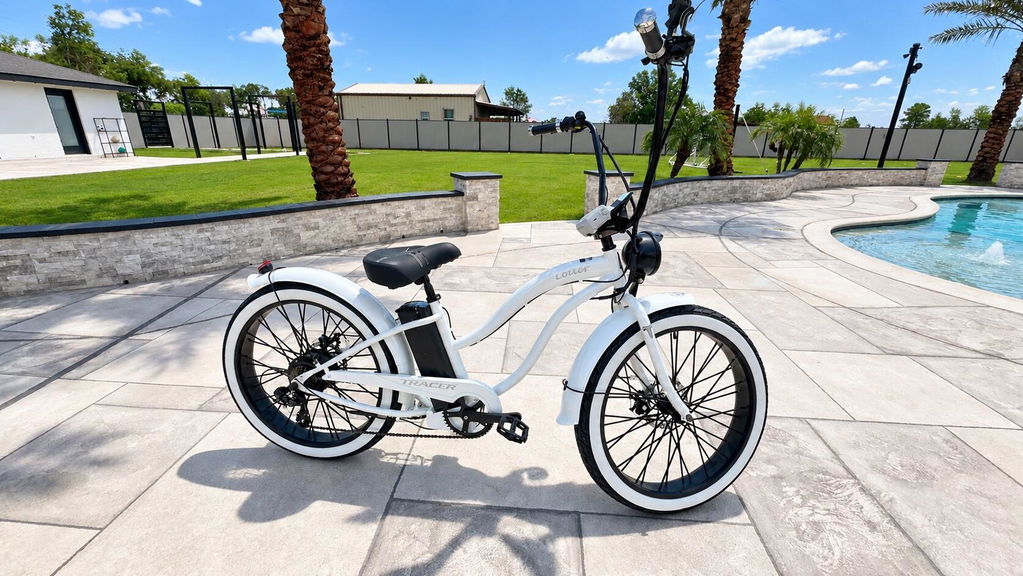
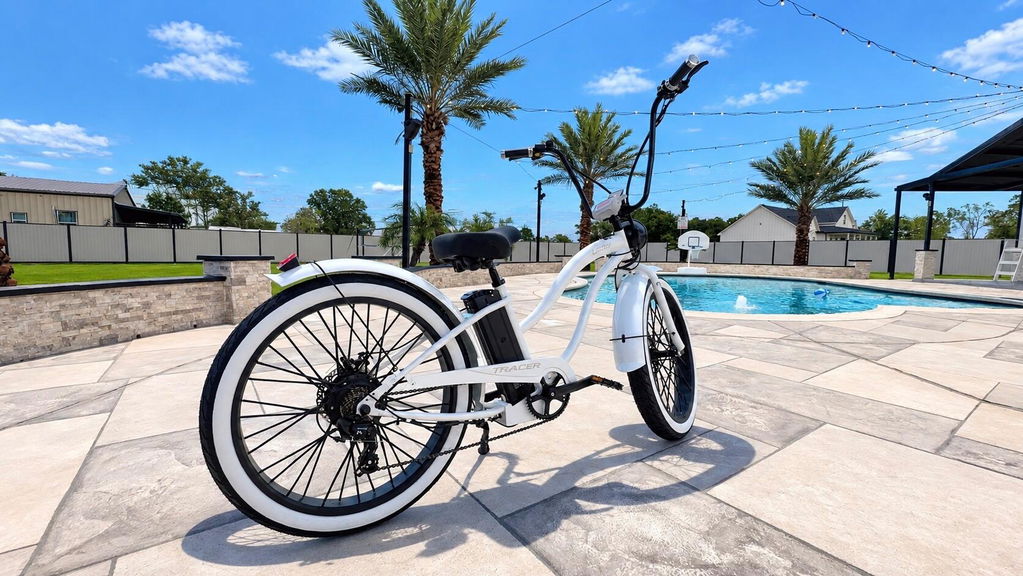
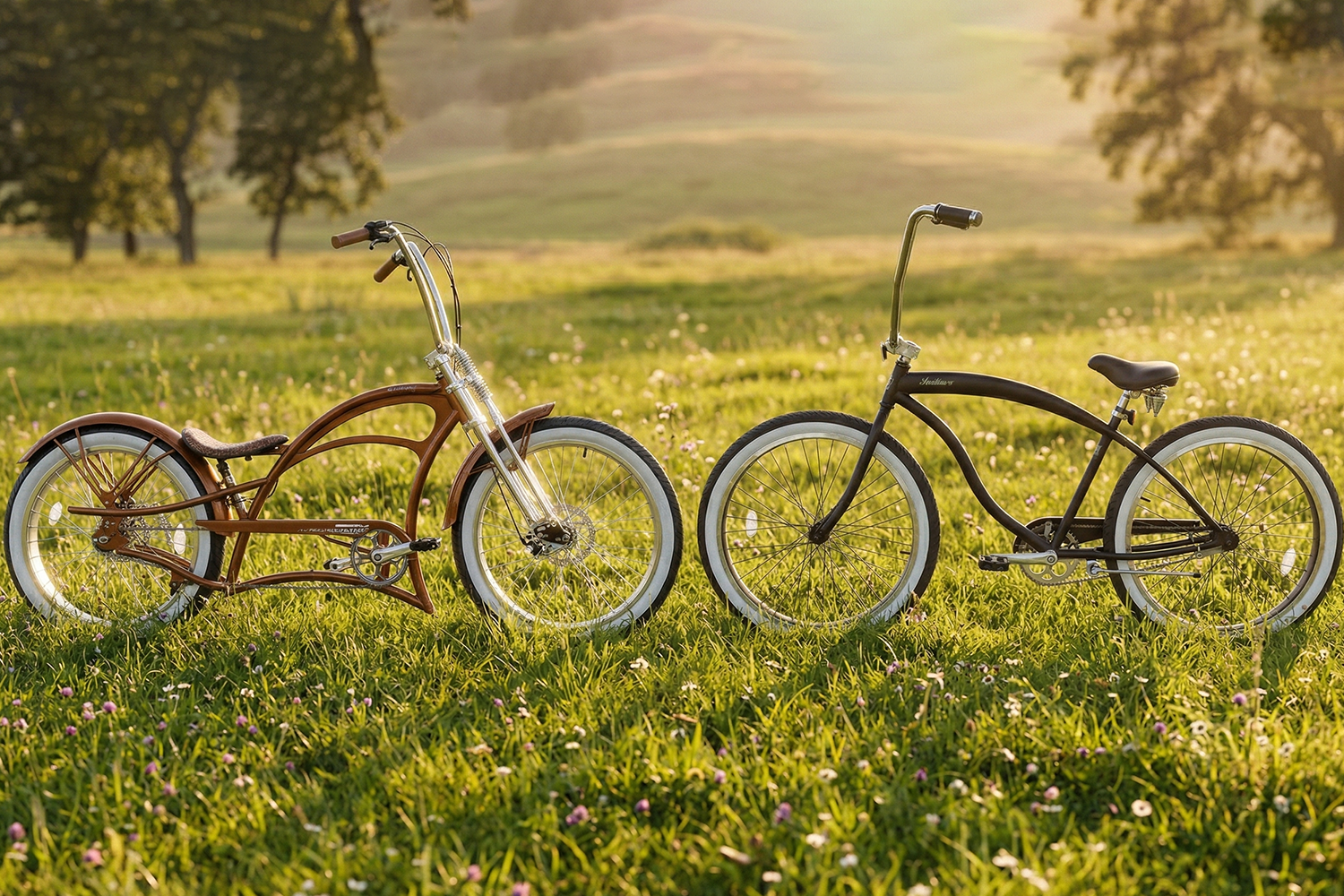
A regular cruiser — often called a classic cruiser — is the archetypal comfort bike. These bikes emerged in the 1930s and 1940s in the United States as heavy‑duty, balloon‑tire bikes designed for relaxed riding on flat surfaces. Today, classic cruisers retain that timeless aesthetic: a compact steel frame, wide swept‑back handlebars, balloon tires, a plush saddle, and a naturally upright seating position. Their wheelbase (the distance between front and rear axles) typically sits around 42–46 inches, striking a balance between stability and maneuverability.
Common semantic keywords for this category include beach cruiser bike, classic cruiser bike, and lowrider bike, all emphasizing comfort, nostalgic style, and casual ride quality.
Stretch Cruiser (Extended Frame Cruiser)
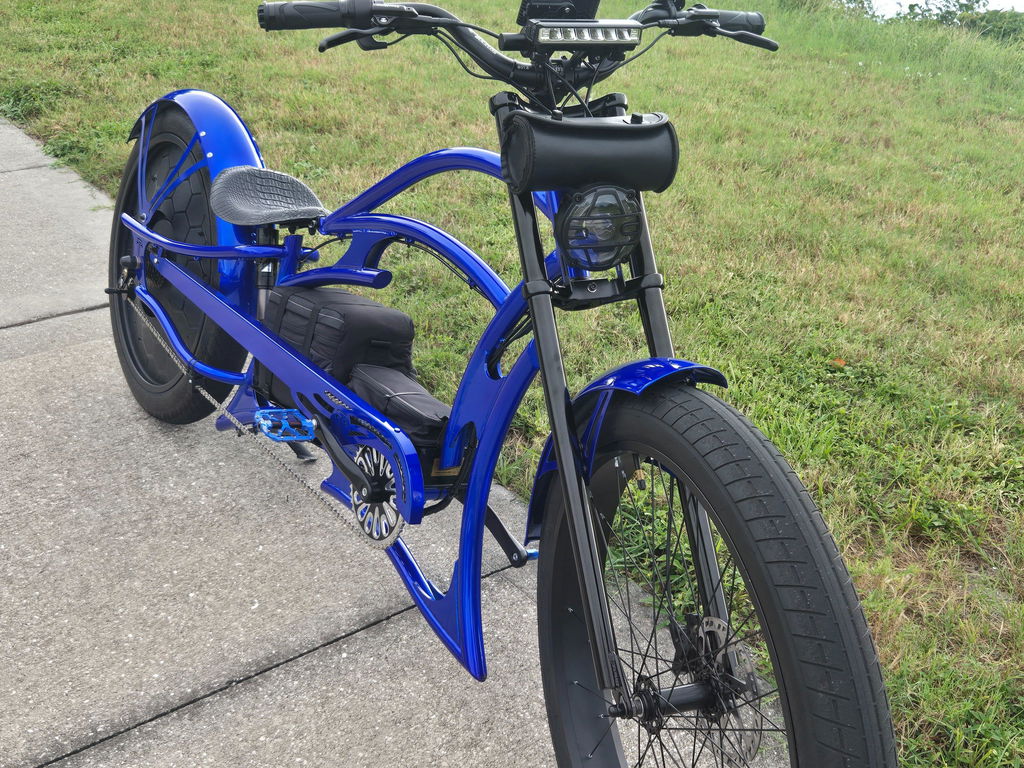
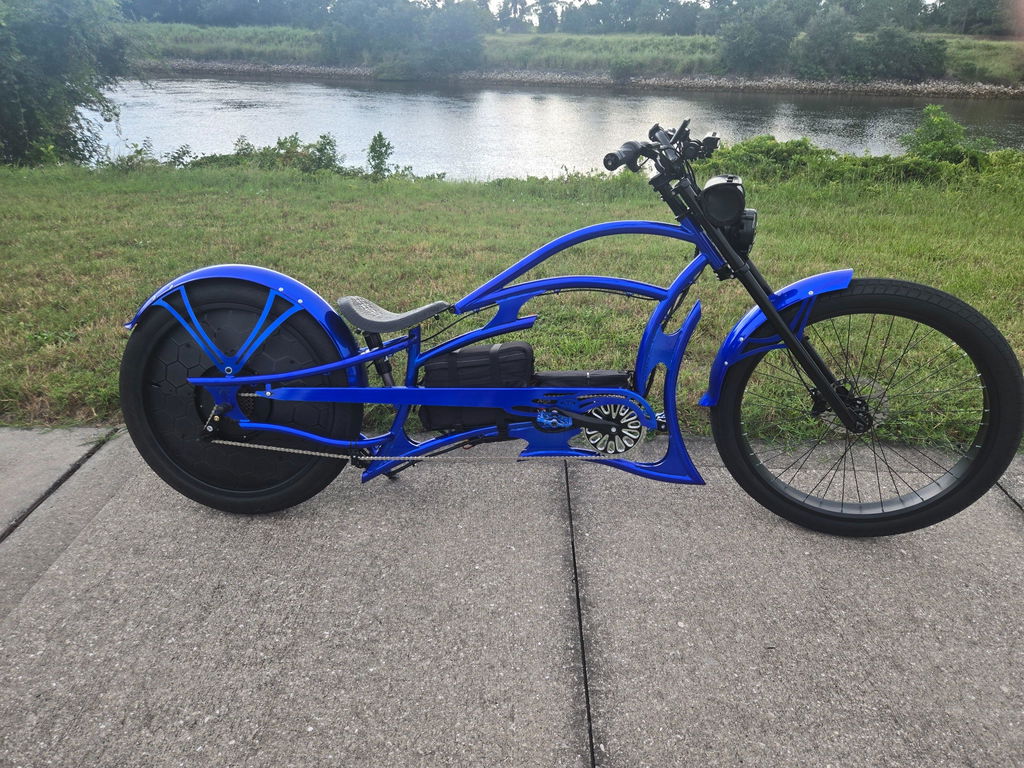
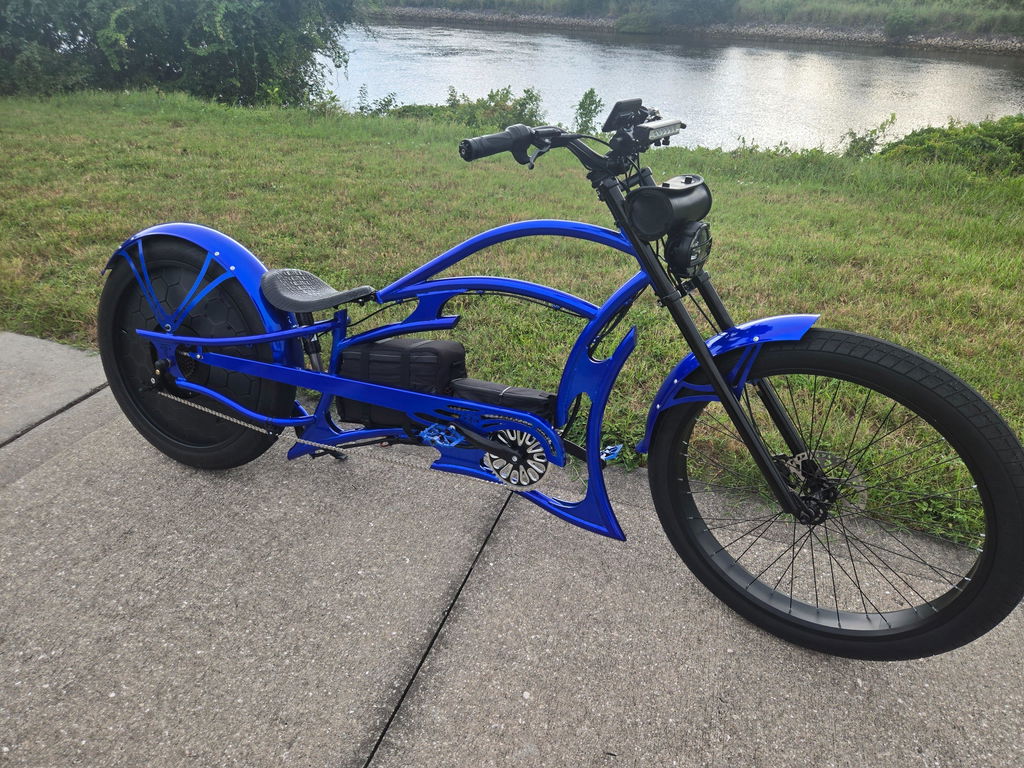
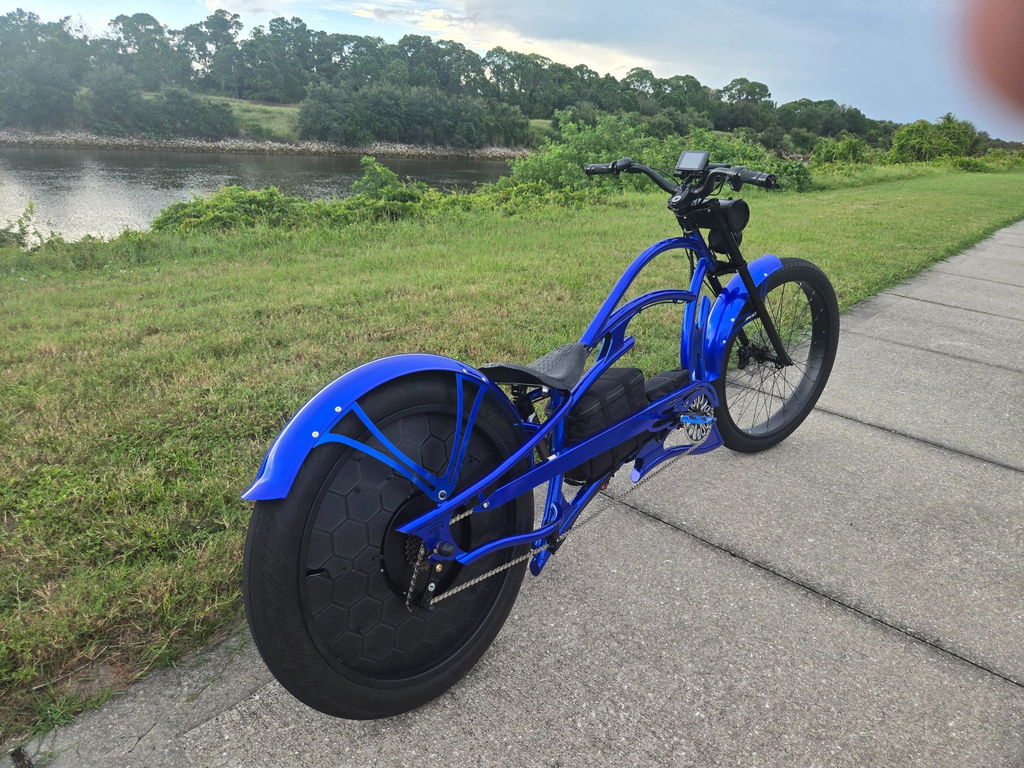
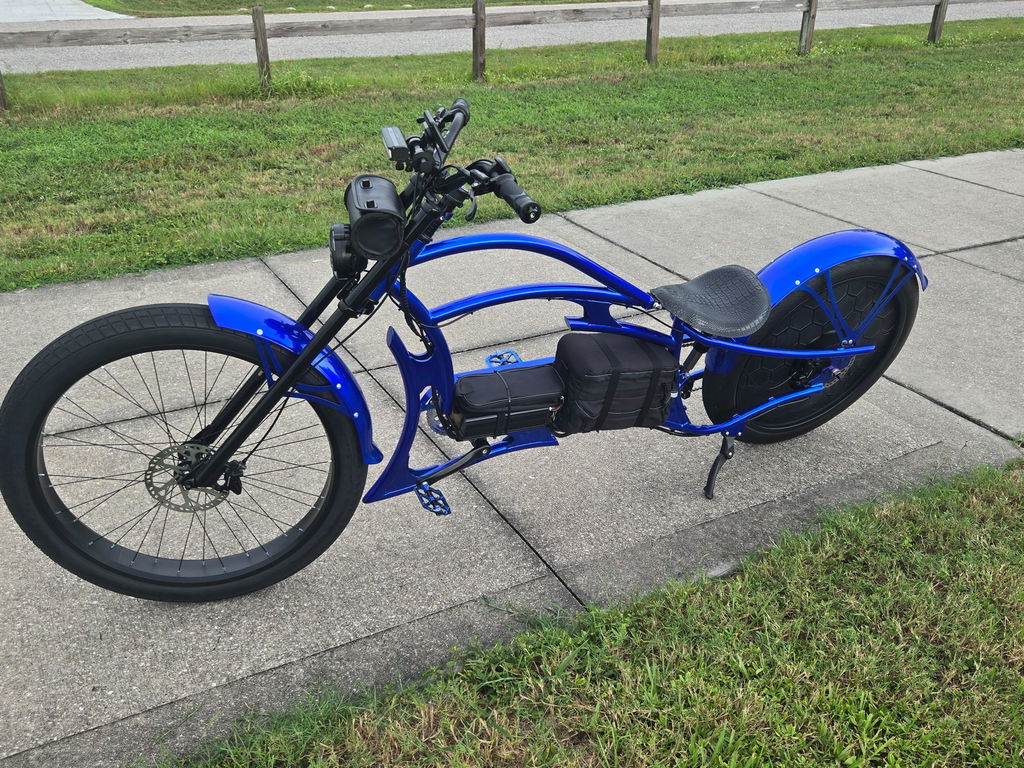
A stretch cruiser bikes takes the classic cruiser concept and extends it. The defining features include a longer, extended frame, a long wheelbase (typically 48–54+ inches), and often a more dramatic rake fork that gives the front end extra length. Stretch cruisers borrow visual cues from choppers, leading to names like chopper‑style cruiser and long wheelbase bike. These bikes are built for riders who want very relaxed posture, enhanced smoothness at cruising speed, and a statement look.
While regular cruisers prioritize compact comfort and nimble handling, stretch cruisers trade some of that for laid‑back ergonomics and visual impact.
If you're still exploring how cruiser bikes compare to other bike types, you can also check out our guide on what is the difference between a cruiser bike and a regular bike to better understand where stretch cruisers fit in the bigger picture.
2. Frame & Geometry: The Core Difference
Frame geometry is the most fundamental difference between stretch cruisers and regular cruisers. It affects not only comfort and posture but also handling, turning radius, and ride stability.
Regular Cruiser Geometry
- Frame Type: Compact, classic steel frame
- Wheelbase: ~42–46 inches
- Fork: Standard length, moderate rake
- Top Tube: Near horizontal or slightly angled
- Seat Position: Centrally over the bottom bracket
In a regular cruiser, the frame stays relatively short and balanced. The shorter wheelbase helps keep steering quick and responsive, making these bikes ideal for urban cruising, parks, and crowded boardwalks. A typical classic cruiser’s geometry keeps your hands at shoulder height, your back moderately upright, and your center of gravity over the pedals — all of which facilitate control and easy balancing.
Stretch Cruiser Geometry
- Frame Type: Extended steel frame with elongated top tube
- Wheelbase: ~48–54+ inches (often 10–30% longer than regular)
- Fork: Extended with increased rake
- Seat Position: Shifted rearward
- Lower Center of Gravity: Due to stretched geometry
In contrast, a stretch cruiser’s extended frame means the rider sits further back relative to the wheelbase. The long wheelbase enhances stability at cruising speeds (think >8–10 mph), but also increases the turning circle due to more trail and slower steering. Stretch cruisers often place the rider’s torso more reclined and legs farther forward compared to a classic cruiser. This extended geometry is a key reason stretch cruisers feel smoother on straight sections and give that laid‑back, chopper‑inspired ride.
Visual Comparison + Key Specs
|
Feature |
Regular Cruiser |
Stretch Cruiser |
|
Wheelbase |
~42–46 in |
~48–54+ in |
|
Frame Length |
Standard |
Extended |
|
Riding Posture |
Upright/neutral |
Reclined/laid‑back |
|
Turning Radius |
Tight |
Wide |
|
Common Frame Style |
Classic steel |
Chopper‑inspired elongated |
This table highlights measurable angles and lengths that influence ride feel — not stylistic buzzwords.
3. Riding Position & Comfort Comparison
Geometry dictates how you sit, how your limbs extend, and where your weight is distributed. These factors, in turn, affect comfort — especially on longer rides.
Regular Cruiser
With a regular cruiser:
- Posture: Upright and neutral
- Arms: Slightly forward with moderate bend
- Back: Straight or lightly arched
- Leg Extension: Centered under the hips
This position places the rider’s weight over the pedals and saddle in a balanced way. For rides under 60 minutes at casual paces, this posture minimizes strain on wrists and distributes rider weight evenly. Riders under 6’0” (180 cm) generally find regular cruisers very comfortable without feeling stretched out.
Stretch Cruiser
On a stretch cruiser:
- Posture: More reclined/laid‑back
- Arms: Reaching forward further due to handlebar placement
- Back: Light recline reduces lumbar compression
- Leg Extension: Legs stretch forward, increasing leverage
Because the seat is shifted back by ~3–5 inches and the handlebars are forward due to the elongated top tube and fork rake, riders sit with less knee‑over‑pedal angle. For riders 6’0”+, this can reduce cramped hip angles and back strain — often by a measurable 15–25% compared to regular cruisers during rides longer than 30 minutes.
This isn’t merely “more comfortable” by feel; the geometry places your center of gravity lower and further back, which typically results in less dynamic muscle tension in the lower back and shoulders on sustained rides.
Want a deeper breakdown of comfort factors like saddle design, frame geometry, and riding posture? Read our full guide on Are Stretch Cruiser Bikes Comfortable? A Complete Guide to Ride in Style for a more detailed explanation.
4. Handling, Stability & Maneuverability
How a bike handles is a function of its geometry — particularly wheelbase, trail, rake, and weight distribution.
Regular Cruiser
Handling Traits:
- Nimble: A shorter wheelbase and steeper head angle leads to quicker steering response.
- Tight Turning Radius: Easier for U‑turns, parking, or weaving through pedestrians.
- Predictable Balance: Comfortable for riders of all levels due to center‑balanced geometry.
Regular cruisers are ideal for environments where you need frequent directional changes — such as city streets, tight pathways, or crowded boardwalks.
Stretch Cruiser
Handling Traits:
- Tracking Stability: The long wheelbase promotes straight‑line stability at cruising speeds.
- Smoother Ride Over Bumps: The longer frame better dampens road imperfections.
- Wider Turning Radius: More space needed for sharp turns due to slower steering response.
Compared to regular cruisers, stretch cruisers require slightly larger turn space (often 10–15% more) and may feel less responsive at very low speeds (<5 mph). However, once up to typical cruiser speeds, they exhibit a confidence‑inspiring straight‑line stability that classic cruisers can’t match.
5. Use Cases: Which Is For You?
Not all riders have the same needs. Let’s break down where each cruiser style shines.
Regular Cruiser Best For:
- Urban / City Cruising: Tight spaces and frequent turns are easier with nimble handling.
- Short to Medium Rides: Under ~45–60 minutes at casual paces.
- Riders Who Need Maneuverability: Those who ride on mixed paths or through crowded areas.
- Beginners / Casual Users: Balanced geometry makes learning and control intuitive.
A regular cruiser is your go‑to if you want simple, responsive handling and plan to ride in environments with frequent obstacles or turning needs.
Stretch Cruiser Best For:
- Beach / Boardwalk Cruising: Long straight paths let the long wheelbase shine.
- Long, Relaxed Leisure Rides: Posture and geometry suit easy, extended rides.
- Tall Riders (6’+) who find standard cruisers feel cramped.
- Riders Who Want Style: The chopper‑inspired silhouette is a head‑turner.
If your rides are typically straight, scenic, and long, a stretch cruiser’s comfort advantage can be significant.
If you're leaning toward a stretch cruiser for relaxed coastal riding, explore our article on top 5 reasons to switch to a stretched cruiser for your beach rides for real-world scenarios and benefits.
6. Pros & Cons: Stretch Cruiser vs Regular Cruiser
Now let’s summarize the strengths and trade‑offs of each style.
Stretch Cruiser
Pros:
- Superior long-ride comfort: The extended wheelbase and laid‑back posture reduce joint strain on rides over 30 minutes.
- Stable at higher cruising speeds: The geometry and weight distribution resist twitchiness.
- Better fit for tall riders: Taller riders benefit from forward leg extension and reduced torso compression.
- Distinct style: Chopper‑inspired visuals attract attention.
Cons:
- Less maneuverable: Wider turning radius makes tight paths harder.
- Heavier / bulkier: Longer frame adds weight and size.
- Parking / storage: Requires more space.
Regular Cruiser
Pros:
- Compact & nimble: Easy to turn and maneuver.
- Classic look and versatility: Fits most cruiser use cases and riders.
- Lighter weight: Easier to transport and store.
- Balanced comfort: Solid comfort for casual rides.
Cons:
- Less stable at speed: A shorter wheelbase can feel less composed on long straight runs.
- Can feel cramped for tall riders: Hip and knee angles may feel tight on extended rides.
- Less relaxed posture: Upright seating is comfortable but not as laid‑back as stretch cruisers.
7. Tracer Bikes: Our Top Picks for Stretch & Regular Cruisers
At Tracer Bikes, we design cruiser bikes with ride-focused geometry, durable materials, and comfort-driven components that align with real riding needs. Based on different riding styles and preferences, here are two standout options for stretch cruiser riders.
Tracer Scorpion GTS 7-Speed — Versatile Stretch Cruiser Choice
- Frame: High-tensile steel extended frame
- Wheelbase: ~50 inches for improved cruising stability
- Drivetrain: 7-speed gearing for better terrain adaptability
- Handlebars: Wide cruiser bars for controlled, relaxed steering
- Fit: Ideal for riders 5’8″–6’3″ who want flexibility across riding conditions
The Scorpion GTS 7-Speed is a practical take on the stretch cruiser platform, combining extended frame comfort with added versatility. The multi-speed drivetrain makes it easier to handle light inclines and longer rides compared to single-speed cruisers, while the ~50-inch wheelbase improves tracking stability on straight paths. It’s a strong choice if you want a balance between laid-back comfort and everyday usability.
Tracer Avalon 29 GT Fat Tire — Comfort & Beach Cruiser Upgrade
- Frame: Extended stretch cruiser frame with fat tire clearance
- Wheelbase: ~52+ inches for maximum stability
- Tires: 29″ fat tires for enhanced grip and shock absorption
- Fork: Extended front end for a classic chopper-style stance
- Fit: Best for riders 5’10″–6’4″ seeking maximum comfort and presence
The Avalon 29 GT takes the stretch cruiser concept further by pairing a long wheelbase with oversized 29″ fat tires. The larger tire volume increases ground contact and reduces vibration over sand, pavement seams, and uneven surfaces. Combined with the extended geometry, this results in a noticeably smoother ride over long distances, especially on beach paths and coastal roads. It’s ideal for riders who prioritize comfort, stability, and standout style.
Conclusion
When comparing Stretch Cruiser vs Regular Cruiser, the defining elements are frame geometry, wheelbase, riding posture, and handling characteristics. Classic cruisers excel in maneuverability and compact comfort, making them suitable for city cruising and mixed environments. Stretch cruisers, with extended frames and long wheelbases, offer enhanced comfort for taller riders and longer, relaxed routes — especially on straight‑away surfaces like boardwalks.
Choose a Regular Cruiser if you value compactness, nimble handling, and classic aesthetics. It’s a versatile choice for daily casual rides under 45–60 minutes.
Choose a Stretch Cruiser if you want maximum comfort, a laid‑back posture, and confident stability on longer, leisurely rides — especially if you’re taller or prioritize style.
Buying tips:
1. Match the bike’s geometry to your height and intended route type.
2. Check wheelbase and frame specs — longer isn’t always better if you ride tight spaces.
3. Test ride both types to feel how posture and handling affect your comfort.
FAQ
1.Are stretch cruisers harder to ride than regular cruisers?
Not really. Stretch cruisers are stable at cruising speed but have a wider turning radius. Regular cruisers are easier in tight spaces.
2.Can tall riders fit on a regular cruiser?
Tall riders may feel cramped on regular cruisers. Stretch cruisers provide more legroom and a reclined posture for comfort.
3.Is a stretch cruiser good for daily commuting?
Yes, if your route is mostly straight and smooth. For crowded streets or frequent turns, a regular cruiser is easier to handle.
4.Do stretch cruisers cost more than regular cruisers?
Sometimes. Longer frames and extended geometry can increase cost, but component quality matters most.
5.Which is better for beach riding: stretch or regular cruiser?
Stretch cruisers are ideal for long, relaxed beach rides. Regular cruisers work well in crowded or narrow boardwalks.
6.Can you convert a regular cruiser to a stretch cruiser?
It’s difficult. True stretch geometry requires a longer frame and wheelbase, so buying a purpose-built stretch cruiser is easier.