Introduction
For leisurely rides along the beach or through scenic streets, few bikes match the style and comfort of a stretch cruiser bike. Their extended frames, low profiles, and relaxed riding posture are built for comfort rather than speed.
Stretch cruisers feature long wheelbases, wide handlebars, and ergonomic seating, which reduce fatigue and improve stability. Taller riders benefit from the extra space, avoiding the cramped, twitchy feel of standard cruisers. In this guide, we’ll explore the features, types, and rider considerations that make stretch cruiser bikes comfortable, highlighting Tracer Bikes models that showcase these design principles.
What Is a Stretch Cruiser Bike?
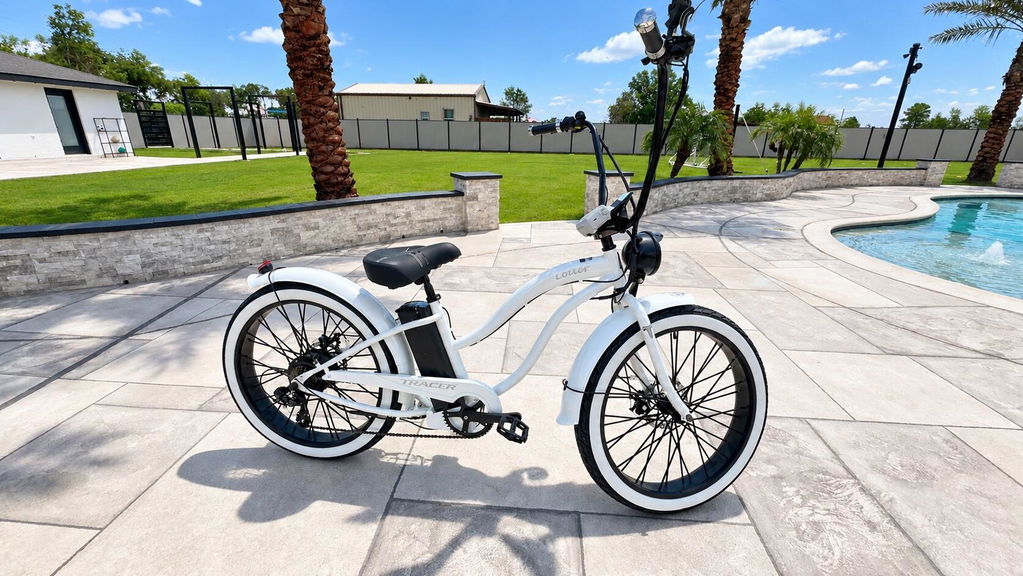
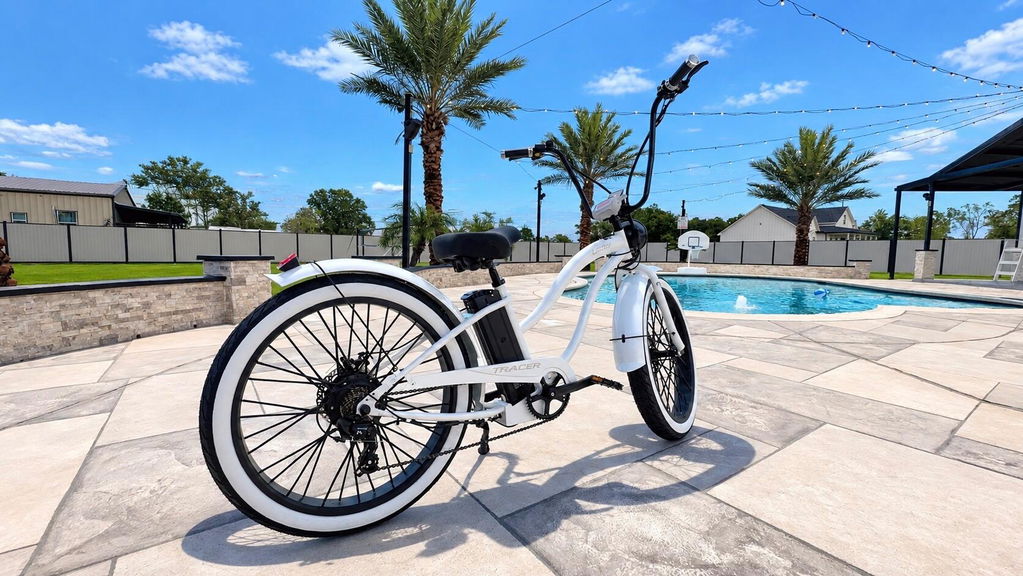
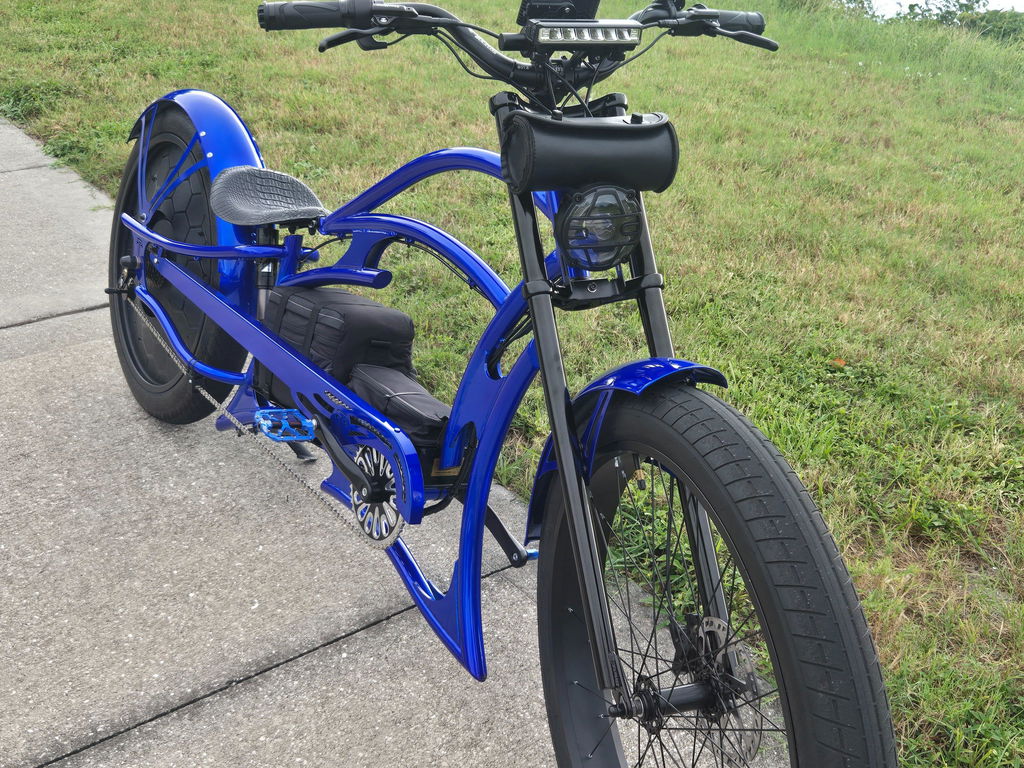
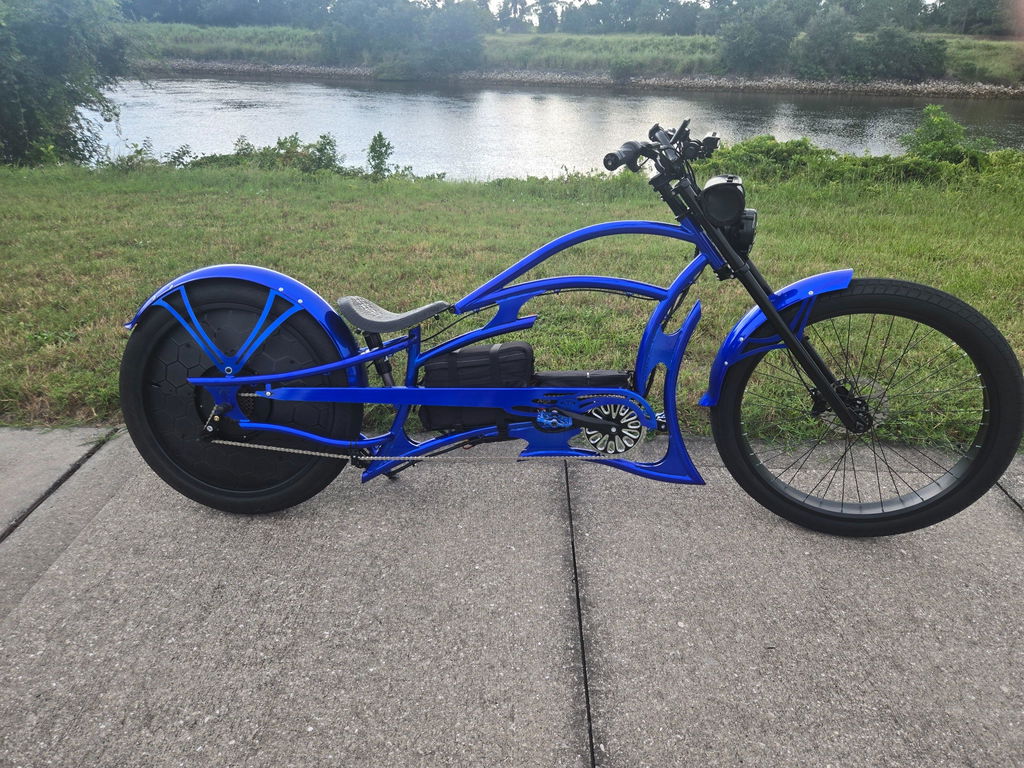
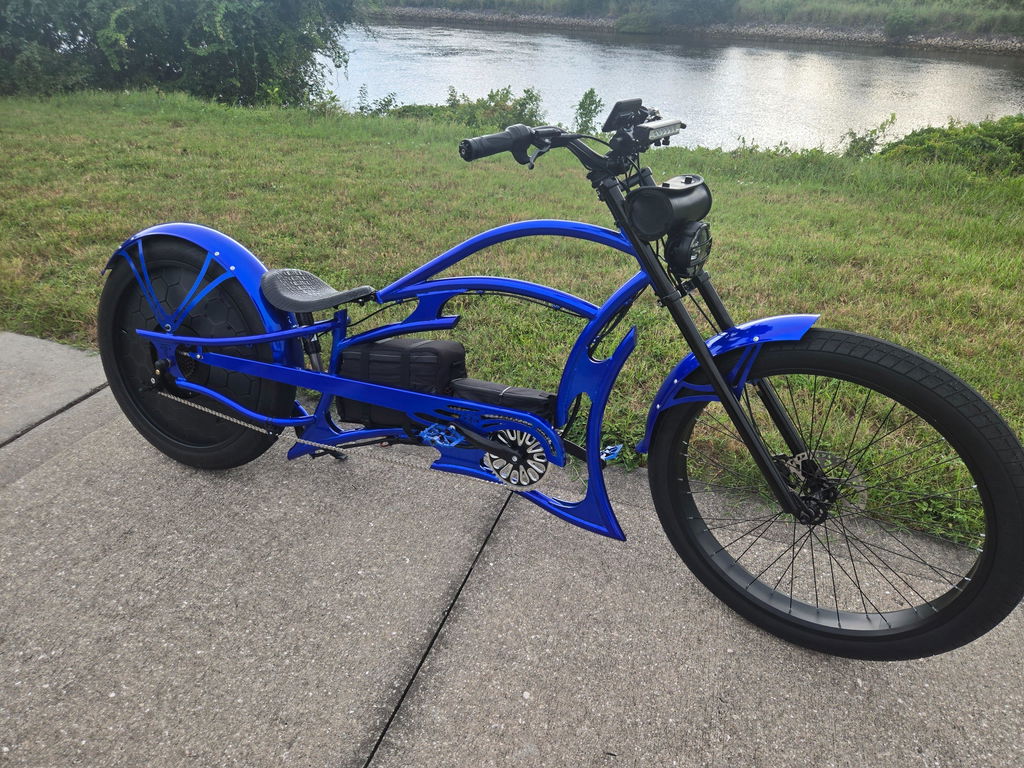
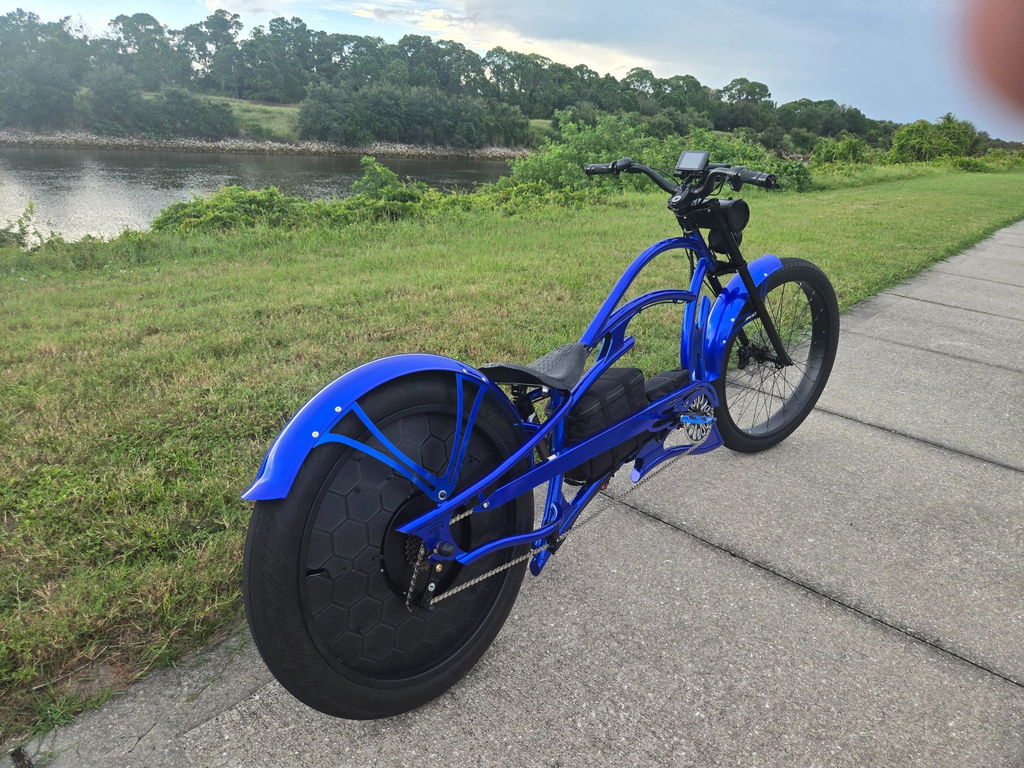
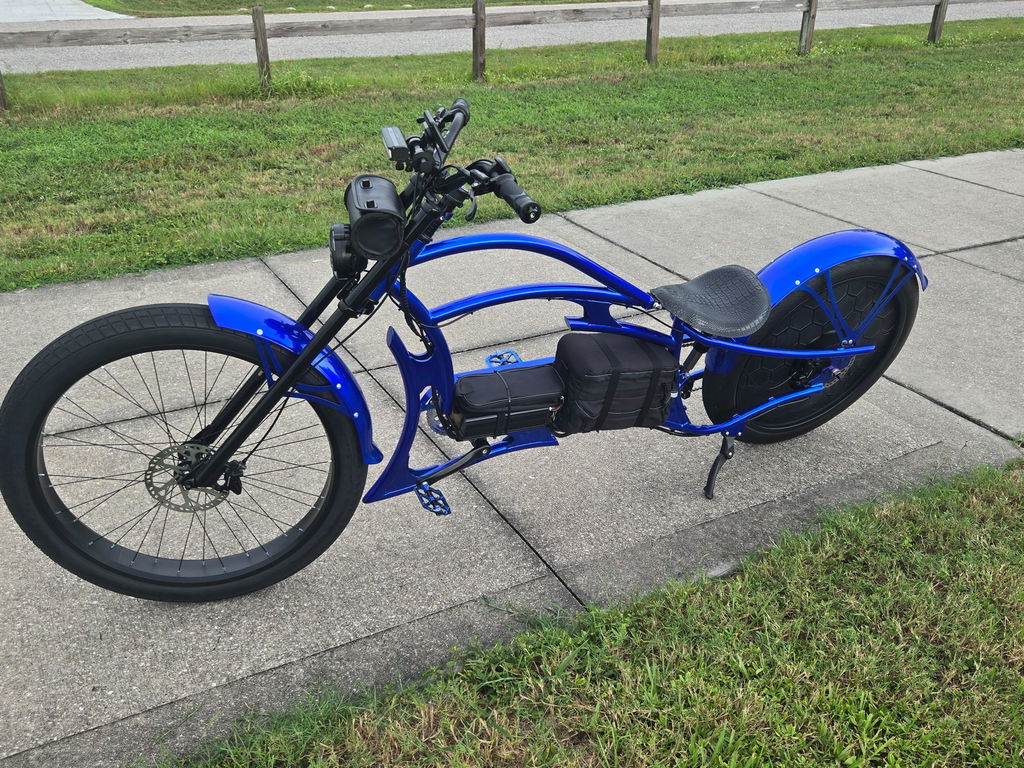
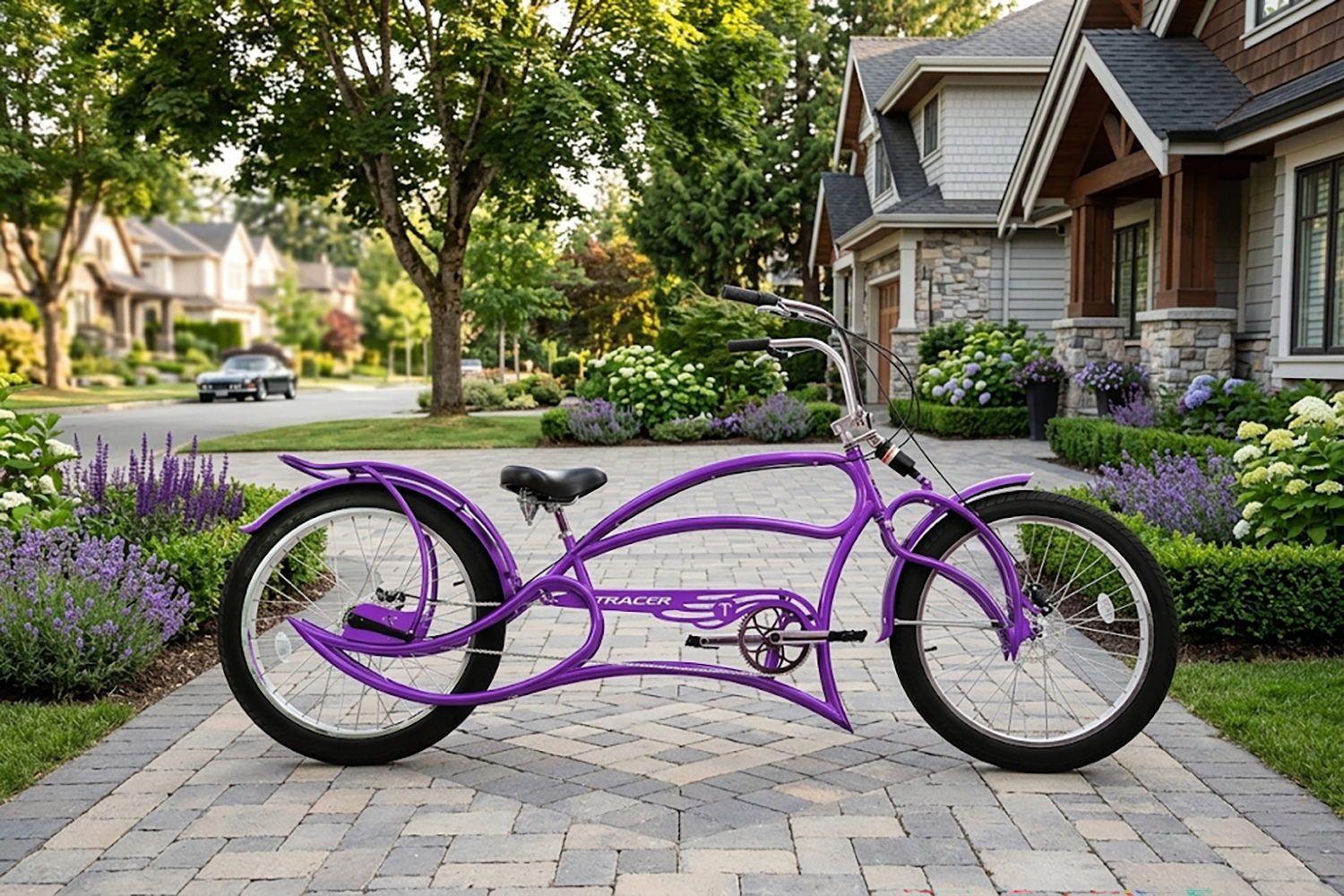
A stretch cruiser bike is a specialized subset of the traditional beach cruiser bicycle. While a standard beach cruiser typically measures around 65–70 inches in total length, a stretch cruiser bike usually extends to 85–95 inches or more. This elongated design provides a long wheelbase, which improves ride stability and creates a distinctive chopper-like aesthetic.
The primary goal of a stretch cruiser bike is to combine comfort, stability, and style. By extending the frame and lowering the seat relative to the pedals, the bike encourages a relaxed, upright riding posture. The handlebars are typically swept back or raised, reducing shoulder strain and wrist fatigue on long rides.
Another defining feature is the visual influence from custom motorcycles of the 1960s and 1970s. Many stretch cruiser bikes feature swooping frames, elongated forks, and wide tires, giving them the appearance of a chopper bike on two wheels. While style is important, the engineering behind the wheelbase, frame material, and geometry ensures that the ride remains smooth and controlled even at moderate speeds (10–20 mph).
If you’re comparing different bike styles, it helps to understand how cruiser bikes differ from standard bicycles. For a clearer breakdown, see “What is the Difference Between a Cruiser Bike and a Regular Bike?”.
Key Features of a Stretch Cruiser Bike
The comfort of a stretch cruiser bike largely comes from its design and components. Understanding these features helps riders select a bike that matches their needs.
Frame and Material
Most stretch cruiser bikes use high-tensile steel or aluminum frames. Steel frames, like those on the Tracer Leopard i3 Pro, provide durability and a natural flex that absorbs small bumps in the road. Aluminum frames, often seen on lighter models, are more resistant to corrosion and easier to maneuver but may feel slightly stiffer over rough surfaces.
The frame geometry is critical. An extended 48–52 inch wheelbase spreads rider weight evenly and reduces twitchy steering, which can be a problem with standard cruisers. Longer frames also allow for a lower seating position, keeping the rider’s center of gravity low for improved balance.
Riding Position
The hallmark of a comfortable stretch cruiser bike is the upright, relaxed posture it encourages. Wide, swept-back handlebars reduce shoulder tension, while large padded saddle designs, often with springs, minimize vibration. Foot placement is typically forward, allowing knees to stay slightly bent and reducing fatigue on longer rides.
Wheelbase and Tires
Longer wheelbases increase stability at speeds around 10–20 mph. Stretch cruisers often feature 26-inch or larger tires with thicker profiles (2–3 inches), which cushion impacts and enhance traction on sand or asphalt. Some models, like the Tracer Arcadia GT Chopper, use fat tires combined with a dual-springer front fork for an even smoother ride.
Braking and Drivetrain
Comfortable stopping is just as important as smooth riding. Many stretch cruisers offer coaster brakes for low-maintenance simplicity, while higher-end models feature mechanical disc brakes for consistent stopping power in various conditions. Single-speed drivetrains are common for casual beach riding, but multi-speed setups are available for slightly hilly or urban environments.
Brake choice affects both comfort and control, especially on longer rides. To understand the differences, read “Choosing the Right Brakes: Hand Brakes vs. Coaster Brakes on Stretch Cruiser Bikes”.
Durability
A stretch cruiser bike designed for comfort is also built for longevity. Tracer Bikes’ steel-frame models are rated for 3–5 years of regular urban use, with proper maintenance of tires, chains, and brake systems. The combination of solid construction and smooth handling makes these bikes suitable for frequent cruising without sacrificing reliability.
Types of Stretch Cruiser Bikes
Stretch cruiser bikes are available in a range of configurations to suit different riding needs. Understanding the types helps riders select the right bike for their lifestyle.
Standard Stretch Cruiser Bikes
Traditional stretch cruiser bikes are pedal-powered, emphasizing comfort and leisurely riding. They feature extended frames, wide tires, and cushioned seats, with a focus on long, stable rides rather than speed. These bikes are ideal for beachside strolls, neighborhood cruises, or casual city commuting.
Tracer Leopard i3 Pro Stretch Cruiser exemplifies a standard stretch cruiser. Its long wheelbase, springer fork, and wide saddle provide maximum comfort for riders of varying heights, while its steel frame ensures durability over years of use.
Electric Stretch Cruiser Bikes
For riders who want a little extra assistance, electric cruiser bikes (e-cruisers) combine the comfort of a stretch frame with a motorized boost. Electric cruisers typically use 250–750W hub motors, paired with lithium-ion batteries offering 25–50 miles of range. Pedal-assist and throttle modes allow riders to maintain a relaxed cadence without fatigue.
The Tracer Beyond Pro 26" Classic Stretch Chopper eBike demonstrates how an electric stretch cruiser can be both stylish and practical. With a 48V 800W motor (limited to 750W for compliance in the US), a 26-inch wheelset, and hydraulic disc brakes, it offers stability, power, and safety for longer rides or slightly hilly terrain.
Specialty Stretch Cruisers
Some models focus on custom aesthetics or advanced suspension systems for extreme comfort. These may include fat tires for sand riding, dual springer forks, or reinforced frames for heavy riders. While pricier, they cater to enthusiasts who value both form and function.
Who Is a Stretch Cruiser Bike For?
Stretch cruiser bikes are versatile, but comfort depends on matching rider size, riding style, and environment.
Rider Height
Long wheelbase bikes excel for taller riders. While standard beach cruisers can feel cramped for individuals over 6 feet, a stretch cruiser’s extended frame allows knees and arms to remain relaxed, reducing strain during longer rides. Tracer Bikes often provide height recommendations, with models like the Leopard i3 Pro accommodating riders from 5’6” to 6’4”.
Riding Style
If your goal is leisurely cruising, beachside riding, or scenic city rides, a stretch cruiser bike is ideal. Forward foot positioning, upright handlebars, and low seating create a natural, fatigue-free riding posture. Multi-speed or electric options allow casual riders to handle inclines without excessive effort.
Use Cases
- Beach cruising: Fat tires and low gears handle sand and uneven boardwalks.
- Urban commuting: Comfortable seating, coaster brakes, and wide tires make stop-and-go city traffic manageable.
- Leisure rides: Smooth frames, extended wheelbase, and cushioned seats reduce fatigue over 10–20 mile rides.
The combination of frame length, geometry, and tire selection ensures that stretch cruiser bikes provide a controlled and comfortable experience for a wide range of riders.
Buying Guide: Choosing the Right Stretch Cruiser Bike
Selecting a stretch cruiser bike requires attention to several key factors that directly impact comfort and ride quality.
Frame Size and Material
Choose a frame that matches your height and riding style. Steel frames are heavier but offer a smoother ride due to slight flex and vibration absorption. Aluminum frames are lighter and resistant to rust but can feel firmer over bumps. Always check the wheelbase and seat height to ensure proper ergonomics.
Braking System
For casual riders, coaster brakes are simple and low maintenance. For those who ride in urban or wet conditions, mechanical or hydraulic disc brakes provide reliable stopping power. Tracer Bikes’ e-bike models include hydraulic disc brakes paired with long wheelbase frames for enhanced safety at higher speeds.
Drivetrain and Gearing
Single-speed cruisers work well for flat terrain and casual beach rides. Multi-speed options are better for hilly routes or urban commuting. Electric cruiser bikes often combine a single-speed drivetrain with pedal-assist to reduce effort without sacrificing simplicity.
Tires
Wider tires (2–3 inches) improve shock absorption and stability. Fat tires are particularly beneficial on sand or loose surfaces. Tracer Bikes’ stretch cruiser line often features 26-inch fat tires with reinforced spokes to handle diverse conditions.
Tire width directly impacts comfort, grip, and rolling resistance. For a deeper comparison, check “Fat Tire vs Standard Tire: Which Bike Tires Are Right for Your Ride?”.
Additional Comfort Features
- Springer forks: Absorb vibrations from uneven surfaces.
- Wide padded saddles: Reduce pressure on sit bones during long rides.
- Upright handlebars: Reduce shoulder and wrist strain.
- Foot-forward positioning: Encourages relaxed knee angles and better balance.
By evaluating these features and understanding how they interact, riders can select a stretch cruiser bike that maximizes comfort and usability.
Pros and Cons of Stretch Cruiser Bikes
Every bike comes with trade-offs. Understanding them helps manage expectations.
Pros
- Extended wheelbase enhances stability: Reduces twitchy steering common in shorter cruisers.
- Comfortable upright posture: Swept-back handlebars and forward pedals minimize fatigue.
- Versatile for multiple riders: Suitable for tall and average riders alike.
- Stylish design: Chopper-inspired frames turn heads on beaches and streets.
Cons
- Size can limit storage: Extended frames are harder to store in small garages or apartments.
- Slower acceleration: Long frames with wide tires are less agile than compact bikes.
- Heavier weight: Steel frames and fat tires can be cumbersome for lifting or carrying.
- Limited off-road perfoemance: Not designed for technical trails; ideal for sand, pavement, or light gravel.
Conclusion
A stretch cruiser bike offers a comfortable and stable riding experience by design. Its extended frame and long wheelbase (typically 48–52 inches) improve balance and reduce twitchy steering at cruising speeds. An upright riding position, wide saddle, and forward pedal placement work together to reduce strain on the back, shoulders, and knees, making rides of 10–20 miles feel more relaxed compared to standard beach cruisers.
However, this comfort comes with trade-offs. The longer frame requires more storage space and feels less agile in tight turns, while heavier materials like steel frames and wide tires can make handling off the bike more difficult. Overall, a stretch cruiser bike is best suited for riders who value stability, comfort, and a relaxed pace, especially for beach paths, neighborhood rides, or casual urban cruising.
Key Takeaways
1. Fit matters: Match wheelbase, frame height, and seating geometry to your body for optimal comfort.
2. Consider use case: Choose fat tires or springer forks for beach or mixed-surface rides.
3. Evaluate braking and drivetrain: Coaster brakes for simplicity, disc brakes for safety in variable conditions.
FAQ
1. Are stretch cruiser bikes hard to ride?
No. The long wheelbase improves stability. Most riders adapt quickly after a few rides.
2. Are they good for tall riders?
Yes. Extended frames provide more legroom and reduce joint strain. They typically fit riders up to about 6’4”.
3. Can you convert a stretch cruiser bike to electric?
Yes. Most can use hub motor kits. Integrated e-bike models offer better balance and reliability.
4. What surfaces are best for stretch cruiser bikes?
They work best on pavement, boardwalks, and firm sand. They are not suited for rough trails.
5. How often should I maintain a stretch cruiser bike?
Check tire pressure weekly. Lubricate the chain monthly. Inspect brakes regularly.
6. Do electric stretch cruisers need special brakes?
Yes. Disc brakes are recommended for better stopping power, especially at higher speeds.
7. What is the expected lifespan of a stretch cruiser bike?
With proper care, most last several years. E-bike components like batteries typically last 3–5 years.