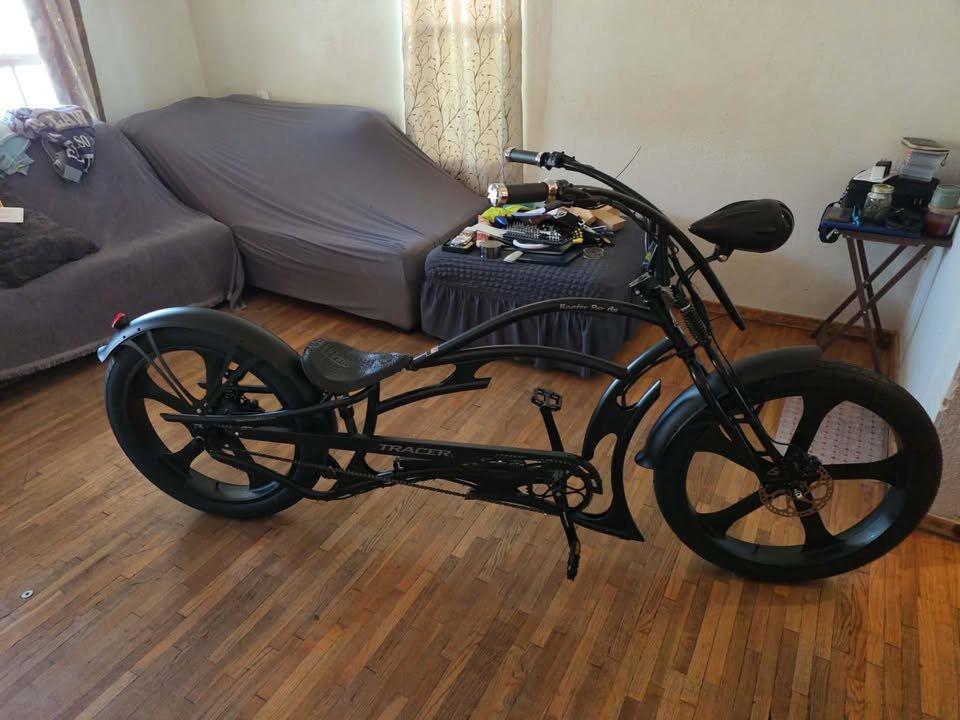
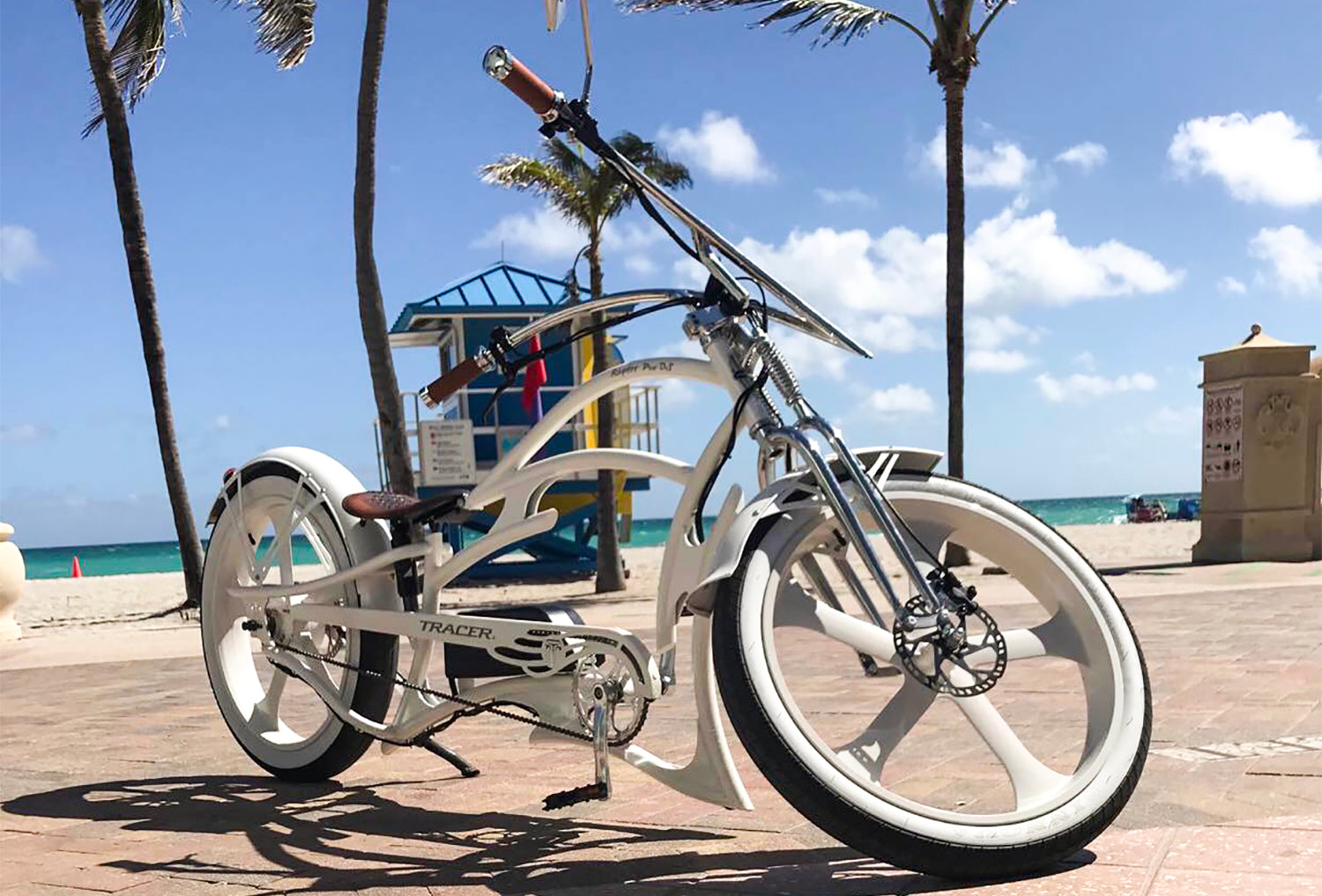
Riding an e-bike in the rain can be both practical and enjoyable, especially for those who rely on it for commuting, errands, or leisure. Wet weather, however, introduces unique challenges that can affect both safety and the longevity of your bike. Many riders worry about electrical damage, reduced traction, or compromised braking in rainy conditions.
The good news is that with proper preparation, careful riding, and routine maintenance, riding an e-bike in the rain is entirely feasible. This guide explores everything from safety considerations to maintenance tips and waterproof accessories, ensuring your rainy-day rides are safe, smooth, and stress-free.
Is It Safe to Ride an E-Bike in the Rain?
The first concern most riders have is safety.Whether your ebike can handle rain depends on both the bike's design and your riding habits. Modern ebikes generally feature IP-rated motors and batteries, meaning they are resistant to water ingress.However, this does not mean ebikes are fully waterproof or suitable for submersion
Common Risks in Rainy Conditions:
Reduced traction: Wet roads, painted lines, and metal surfaces like manhole covers can be slippery.
Longer braking distances: Water decreases braking efficiency, especially for rim brakes.
Electrical issues: While most components are water-resistant, prolonged exposure to heavy rain can compromise seals or connectors.
Visibility hazards: Rain reduces visibility and makes it harder for other road users to notice you.
Safety Tips:
- Reduce speed and ride cautiously.
- Maintain greater distance from vehicles and obstacles.
- Wear waterproof gear and reflective clothing.
- Avoid sudden maneuvers and sharp braking to reduce the risk of slipping.
- With these precautions, riding in light or moderate rain can be both safe and manageable.
Understanding E-Bike Waterproofing
Not all e-bikes are built to handle wet weather equally. Before heading out in a storm, it is crucial to understand the difference between being water-resistant and waterproof. Most quality e-bikes are built to withstand light to moderate rain and puddle splashes, but they should never be subjected to high-pressure water streams or fully submerged in water.
Key Components to Monitor:
- Battery: Sealed batteries prevent water from entering. Always inspect the casing for cracks or loose covers before riding.
- Motor: Hub motors and mid-drive motors are usually highly water-resistant, but you must avoid deep puddles that could submerge the motor entirely.
- Controller and Display: Ensure your displays have water-resistant seals to prevent short circuits.
- Connectors: Charging ports and wiring should have their rubber covers tightly secured to avoid corrosion.
How to Prepare Your E-Bike Before Rainy Rides
Proper preparation is key to a safe and enjoyable rainy ride. Here’s a detailed checklist:
1. Check Battery, Motor, and Seals
Ensure all covers, ports, and connectors are tightly sealed. Any gaps can allow water ingress, leading to potential electrical issues.
2. Lubricate Chains and Moving Parts
Rain can wash away lubrication, causing increased wear. Apply a water-resistant chain lube before riding.
3. Inspect Brakes and Tires
Make sure brakes are fully functional and tires have sufficient tread for wet surfaces. Consider using tires designed for wet weather to improve grip.
4. Wear Protective Gear
Waterproof jackets, gloves, pants, and shoe covers not only keep you dry but also improve comfort and grip. A waterproof saddle cover can protect the seat.
5. Plan Your Route
Avoid areas prone to flooding, deep puddles, or poor drainage. Stick to textured roads or paths for better traction.
Pro Riding Techniques for Wet Conditions
Riding in the rain requires adapting your technique to maintain complete control.
Reduce speed: Wet roads offer less grip. Slower speeds give you more reaction time if a car stops suddenly or a pedestrian steps out.
Brake gradually: Avoid sudden, aggressive stops. If you have disc brakes, lightly “pumping” or dragging them slightly before a full stop helps clear water off the rotors.
Avoid standing water: Puddles are deceptive—they can conceal deep potholes, glass, or debris. Steer clear whenever possible.
Stay visible: Always turn on your front and rear LED lights, even during the day, and wear reflective clothing.
Adjust body position: Keep your upper body relaxed. When cornering, keep the bike more upright than you normally would on dry pavement to prevent the tires from sliding out.
Post-Ride Maintenance: Protect Your E-Bike
Taking care of your e-bike after a rainy ride is essential for longevity and performance.
1. Dry the Bike Thoroughly
Use a dry cloth to wipe down the battery, motor, frame, and other components. Residual moisture can cause rust and corrosion.
2. Inspect Brakes and Tires
Check for wear or damage caused by wet conditions. Remove any debris lodged in brake pads or tires.
3. Re-Lubricate the Chain:
Rain can wash away lubrication. Apply water-resistant lube to chains, derailleurs, and other moving components.
4. Check Electrical Connections
Inspect connectors and ports for moisture or corrosion. If water has entered sensitive areas, consult a professional.
5. Store Properly
Keep your e-bike in a dry, ventilated area. Avoid leaving it outside after a rainy ride.
Regular maintenance ensures your e-bike stays reliable and safe, regardless of weather conditions.
Accessories and Upgrades for Rainy Riding
Investing in waterproof accessories can significantly improve comfort, safety, and convenience:
Fenders and Mudguards: Protect yourself and your bike from splashes.
Waterproof Bags and Covers: Keep electronics and personal items dry.
Rainproof Saddles and Handlebar Grips: Enhance grip and comfort.
Wet-Weather Tires: Improve traction on slick roads, enhancing safety.
Choosing the right accessories can make rainy-day rides much more manageable and enjoyable.
Conclusion
Riding an e-bike in the rain is possible and can be safe with the right precautions. Proper preparation, adjusting your riding technique, and post-ride maintenance keep your bike reliable, while waterproof accessories and rain-ready tires make rides comfortable and controlled.
Equip yourself with waterproof accessories and high-visibility gear, and rainy days will no longer be a barrier. Instead, they become just another opportunity to enjoy the freedom and convenience of your e-bike.
🎁 Reader Exclusive Bonus: Ready to upgrade your ride? Use promo code STRETCH10 at checkout to get 10% OFF your new Ebike.
FAQs
1. Will rain damage my e-bike battery or motor?
Modern e-bike batteries and motors are water-resistant, not fully waterproof. Avoid submersion and ensure all covers are secured.
2. Can I ride through deep puddles?
No. It is best to avoid deep puddles. Not only can they hide dangerous potholes, but water reaching above the bottom bracket or motor housing can seep into sensitive electrical components.
3. Do disc brakes perform better in rain?
Yes. Mechanical and hydraulic disc brakes maintain significantly more stopping power in wet conditions compared to traditional rim brakes, which lose friction when the wheel gets wet.
4. How often should I maintain my e-bike after rain?
Every wet ride should be followed by a quick wipe-down and drying session. You should also check and reapply wet chain lube every 1-2 wet rides to prevent rust and drive-train wear.