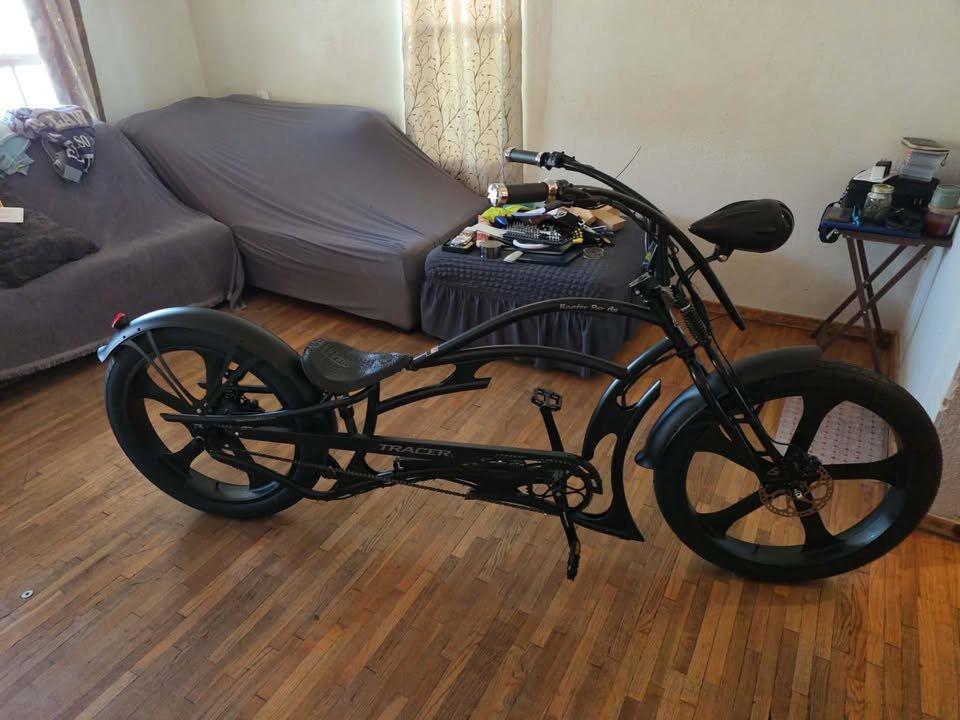
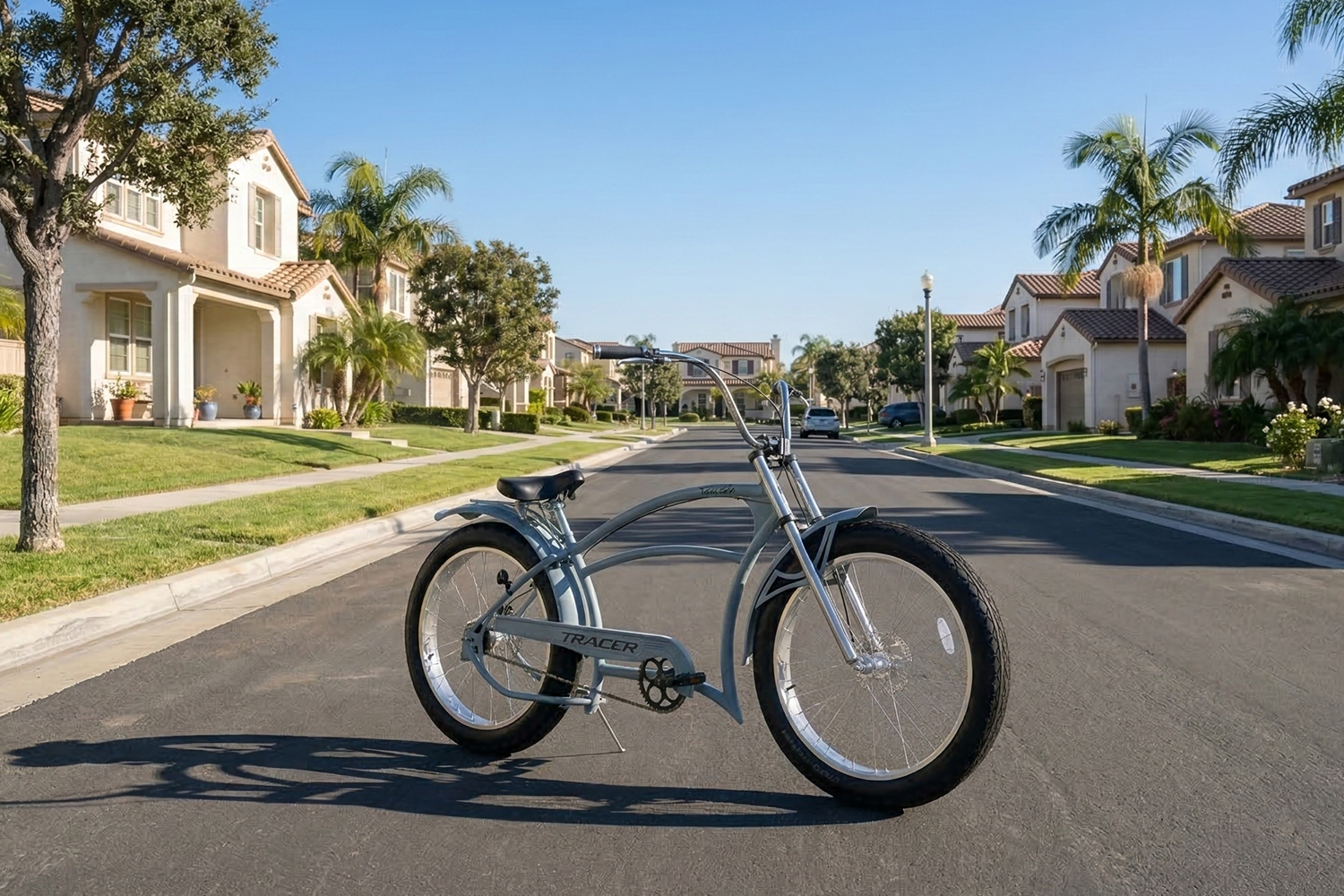
Cruiser bikes are synonymous with comfort, style, and a relaxed riding experience. Whether you’re gliding down a sun-drenched boardwalk, cruising through city streets, or exploring local parks, your bike’s gear system plays a crucial role in your ride. One of the most common questions riders’ faces is: Should I choose a single-speed cruiser or a multi-speed model?
Drawing inspiration from real-world cruiser riding experiences and gearing observations from South El Monte, this guide explains everything you need to know about cruiser gear systems. This guide will walk you through everything you need to know about gear systems, durability, and how to optimize your Stretch Cruiser or electric cruiser for maximum enjoyment.
Why Gear Systems Matter
Your bike’s gears are more than just a technical detail—they define how comfortable and efficient your ride feels. A well-selected gear system ensures that pedaling is smooth, consistent, and matched to your riding terrain.
For stretch cruisers, which often feature extended frames, fat tires, and longer wheelbases, the choice of gears affects not only pedaling efficiency but also overall handling and rider comfort. A single-speed system prioritizes simplicity and reliability, while a multi-speed setup provides versatility for varied terrain. Understanding these trade-offs will help you make the right choice for your riding style and environment.
Single-Speed Cruisers: The Low-Maintenance Classic
What Is a Single-Speed Cruiser?
A single-speed cruiser has one fixed gear ratio, connecting the pedals directly to the rear wheel. There are no derailleurs, shifters, or cassettes to adjust. This simplicity has made single-speed cruisers a favorite among beach riders, city cruisers, and anyone who values low-maintenance riding.
Advantages of Single-Speed Gears
1. Ultimate Reliability
Without multiple components to maintain, single-speed bikes are easy to care for. Chain adjustments are minimal, and mechanical issues are rare.
2. Lightweight Construction
Removing additional drivetrain components reduces overall bike weight. For long-stretch cruisers, this contributes to better handling and smoother rides.
3. Consistent Pedaling Rhythm
On flat roads or gentle inclines, a single-speed setup keeps pedaling smooth and predictable. Riders can find a relaxed cruising rhythm without worrying about gear changes.
4. Cost-Effective
Fewer components mean lower purchase and maintenance costs, making single-speed cruisers accessible while still delivering style and reliability.
Best Use Cases
- Uraban Streets: Smooth city roads make single-speed cruisers a perfect match for casual commuting or leisure riding.
- Beach and Boardwalks: Flat coastal paths allow riders to cruise effortlessly without the need for gear adjustments.
- Short, Casual Rides: Ideal for community rides, park laps, or quick errands around town.
Rider Experience
Many riders worry that single-speed cruisers are “boring,” but the reality is quite different. The smooth, predictable cadence provides a relaxing and enjoyable experience, especially when paired with fat tires and ergonomic seats designed for comfort. For riders interested in getting the most out of their beach or fat-tire cruiser, check out How to Maintain Your Beach Cruiser: Tips for Long-Lasting Performance, which covers simple maintenance tips to keep your single-speed cruiser running smoothly and comfortably for years.
Multi-Speed Cruisers: Versatility for Every Terrain
How Multi-Speed Systems Work
Multi-speed cruisers feature derailleurs and gear cassettes that allow riders to adjust pedaling resistance based on terrain, speed, or personal preference. This versatility is ideal for riders who navigate hills, varied terrain, or longer distances.
Advantages of Multi-Speed Gears
1. Effortless Climbing
Multi-speed systems allow riders to tackle inclines without excessive strain, preserving energy for longer rides.
2. Adaptability
Whether you’re riding city streets, hilly parks, or mixed terrain, multi-speed cruisers provide the flexibility to adjust to any environment.
3. Customized Pedaling
Riders can maintain an optimal cadence, reducing fatigue on long journeys or challenging routes.
Common Multi-Speed Options
Cruiser bikes commonly use 3-speed or 7-speed gear systems, each designed for different riding needs.
3-Speed Cruisers
3-speed systems offer a simple and user-friendly setup. They provide enough flexibility for casual riders and are well-suited for city cruising, light hills, and relaxed weekend rides. Because they have fewer gears, they are also slightly easier to maintain.
A great example of a 3-speed stretch cruiser is the Tracer Leopard 3i Pro Stretch Bike, featuring a durable frame and smooth 3-speed gearing, perfect for relaxed city rides or coastal cruising.

7-Speed Cruisers
7-speed cruisers provide a wider gear range, making them ideal for riders who encounter hills, longer routes, or varied terrain. The additional gears allow riders to maintain a comfortable cadence across different riding conditions, offering more versatility than simpler systems.
For riders looking for maximum flexibility and performance, the Tracer Raider Pro DS7 offers a 7-speed drivetrain, fat tires, and a sleek stretch cruiser design—great for tackling hills, longer rides, or mixed urban and coastal routes.
🎁 Exclusive Reader Bonus: Ready to find your perfect gear setup? Use promo code BLOG10 at checkout to get 10% OFF the Tracer Leopard 3i, Raider Pro DS7, or any other stretch cruiser in our collection!

Disadvantages of Multi-Speed Gears
1. Increased Maintenance
More components mean more adjustments. Derailleurs need tuning, chains wear faster, and cassettes require regular inspection.
2. Higher Cost
Multi-speed bikes generally cost more upfront and may require more frequent repairs or part replacements.
3. Slightly Heavier
Extra gears add weight, which may slightly reduce the streamlined feel of a stretch cruiser.
Durability Considerations for Stretch Cruisers
Stretch cruisers are designed for style, comfort, and stability, but long frames and wide tires can impact drivetrain durability. Here are the key factors to consider:
1. Frame Design and Weight Distribution
Longer frames distribute rider weight differently, which can place additional stress on the drivetrain.
2. Tire Width and Type
Fat tires absorb shock and provide stability but can slightly affect pedaling efficiency.
To understand how tire choice impacts comfort, pedaling effort, and gear performance, see Fat Tire vs Standard Tire: Which Bike Tires Are Right for Your Ride? which helps you pick the ideal tires for your stretch cruiser setup.
3. Environmental Exposure
Coastal rides or humid climates can accelerate corrosion. Salt-resistant materials are essential for chains, cogs, and frames.
4. Material Quality
Durable metals for chains and cogs extend lifespan and maintain smooth performance.
5. Maintenance Practices
Even a single-speed cruiser benefits from regular lubrication and tension checks to ensure longevity.
Coastal vs Urban Riding: Gear Recommendations
Coastal Beaches and Boardwalks
Single-speed cruisers shine on flat coastal paths. Wide tires help absorb bumps from sand or uneven planks, and corrosion-resistant components protect against salt and moisture. This setup maximizes comfort while minimizing maintenance.
Urban Streets
City streets are mostly flat, so single-speed bikes are generally sufficient. However, multi-speed cruisers may be beneficial for routes with short hills or frequent stop-and-go riding.
Hills and Mixed Terrain
Multi-speed cruisers outperform single-speed bikes on steep or variable terrain. For single-speed enthusiasts, adjusting the gear ratio or using pedal-assist can make climbs manageable.
If you’re curious about hill performance for both single-speed and electric cruisers, Can Cruiser Ebikes Go Uphill? The Ultimate Guide For You breaks down gear ratios, electric assist, and pedaling strategies to tackle inclines with ease.
The Game Changer: Electric-Assisted Cruisers
Electric cruisers offer new possibilities for single-speed and multi-speed setups.
Single-Speed + Pedal-Assist
- Simplifies riding by reducing the need to shift gears.
- Provides smooth power assistance on inclines or long rides.
Multi-Speed + Pedal-Assist
- Offers full versatility for hills or mixed routes.
- Allows riders to maintain optimal cadence with minimal effort.
Benefits
- Reduces wear on drivetrain components.
- Enhances rider enjoyment across different terrains.
Gear Ratio Adjustments & Optimization
Even single-speed cruisers can be optimized by adjusting the chainring and rear cog combination.
- Lower Gear Ratio: Easier pedaling for hills or heavier riders.
- Higher Gear Ratio: Faster cruising on flat terrain.
- Balance is key: maintain comfortable cadence without overexertion.
Rider Comfort and Ergonomics
Comfort is as important as mechanical efficiency:
1.Saddle: Choose ergonomic designs for long rides.
2.Handlebars: Proper positioning prevents wrist, shoulder, and back fatigue.
3.Tires: Fat or wide tires increase stability and smootj ride quality.
4.Pedals and Foot Placement: Proper support improves pedaling efficiency and comfort.
Maintenance Tips for Cruiser Gears
- Lubricate chains regularly.
- Check chain tension, especially after extended rides or exposure to salt.
- Inspect cogs and pedals for wear.
- Clean components to prevent corrosion, especially for coastal riding.
Common Misconceptions About Single-Speed Cruisers
1. “Single-speed bikes are boring.”
Some people think single-speed bikes lack excitement because there are no gears to shift. However, many riders enjoy the simplicity. With a steady and predictable pedaling rhythm, riders can focus more on relaxing and enjoying the ride rather than constantly adjusting gears. This makes single-speed cruisers ideal for beach paths, parks, and casual city rides.
2. “You can’t ride hills with a single-speed.”
While single-speed bikes are best suited for flat terrain, they can still handle mild hills. Choosing the right gear ratio helps balance speed and pedaling effort, making small inclines manageable. Some cruisers also offer electric pedal-assist options, which provide extra support when climbing hills or riding longer distances.
3. “Single-speed bikes don’t need maintenance.”
Single-speed cruisers require less maintenance than multi-speed bikes, but basic care is still important. Keeping the chain lubricated, checking the brakes, and maintaining proper tire pressure will help ensure smooth performance and long-term durability. With simple and regular maintenance, a single-speed cruiser can remain reliable for years.
Choosing the Right Gear System
Selecting the right gear system depends on your riding environment, personal preferences, and how you plan to use your cruiser bike. Understanding these factors can help you choose a setup that delivers both comfort and efficiency.
Key Decision Factors
When deciding between a single-speed or multi-speed cruiser, consider the following:
- Terrain type: Flat city roads, coastal paths, hilly areas, or mixed terrain.
- Ride frequency and distance: Occasional leisure rides versus regular commuting.
- Rider experience and strength: Beginner riders may prefer simplicity, while experienced riders may want more control.
- Electric-assist availability: Pedal-assist systems can reduce the need for multiple gears.
Comparison Table
|
Terrain/Scenario |
Recommended Gear |
Notes |
|
Flat city streets |
Single-Speed |
Effortless, low-maintenance cruising |
|
Beach & boardwalk |
Single-Speed |
Fat tires + simplicity |
|
Hills or mixed terrain |
Multi-Speed |
Easier pedaling on inclines |
|
Long-distance commuting |
Multi-Speed |
Maintains cadence |
|
Electric cruiser |
Single-Speed + Pedal-Assist |
Effortless riding |
Rider Experience and Lifestyle
Your riding lifestyle also plays an important role in choosing the right gear system.
- Single-speed cruisers are perfect for relaxed cruising, casual rides, and enjoying scenic routes without worrying about gear changes.
- Multi-speed cruisers are better suited for riders who frequently encounter hills or varied terrain.
- Many riders choose their cruiser based on lifestyle activities such as commuting, beach trips, weekend rides, or community cycling events.
Brands like Tracer Bikes focus on creating cruisers that prioritize comfort, style, and an enjoyable riding experience, ensuring riders can choose the gear system that best fits their everyday adventures.
Conclusion
Both single-speed and multi-speed stretch cruisers offer distinct advantages that cater to different riding styles. Single-speed models provide simplicity, low maintenance, and effortless cruising on flat roads or coastal paths, while multi-speed cruisers offer versatility, making hills, long-distance rides, and varied terrain easier and more comfortable. Ultimately, durability comes down to high-quality materials, proper maintenance, and protection from environmental factors.
Tracer Bikes ensures that regardless of your gear choice, every cruiser delivers a stylish, comfortable, and reliable riding experience. By understanding your terrain, ride style, and personal comfort preferences, you can confidently select the perfect Tracer cruiser. With the right gearing, ergonomic features, and regular care, your stretch cruiser will make every ride smooth, enjoyable, and full of style—whether in the city or along scenic coastal routes.
🚴 Exclusive Blog Offer
Thanks for reading! As a special bonus for our blog readers, enjoy 10% OFF your next order with code BLOG10.
Simply enter BLOG10 at checkout and save on your favorite Tracer bikes. Don't miss your chance to ride for less—your next adventure starts today!
Use Code: BLOG10
FAQ
1. Are single-speed cruiser bikes good for beginners?
Not at all. In fact, they are the most beginner-friendly bikes available. Without the distraction of shifting gears, beginners can focus entirely on balancing, steering, and enjoying the ride.
2. Can you ride hills with a single-speed cruiser?
While you can ride up gentle inclines, steep hills will require significant physical effort (often requiring you to stand up and pedal). If you live in a hilly area, a 7-speed cruiser or an electric pedal-assist model is highly recommended.
3. Are multi-speed cruisers harder to maintain?
Slightly. Because they feature derailleurs, shift cables, and multi-cog cassettes, they require occasional professional tuning and more frequent chain cleaning compared to a single-speed bike.
4. Does a stretch cruiser really need multiple gears?
It depends entirely on your route. Because stretch cruisers are slightly heavier and longer than standard bicycles, having 3 or 7 gears can make accelerating from a stop and climbing hills significantly smoother.