Introduction
Urban cycling has evolved quickly over the past decade. Bikes are no longer just transportation tools—they are now part of modern lifestyle, fitness culture, and personal identity. As cities become more bike-friendly and people seek healthier, more flexible commuting options, choosing the right bicycle has become increasingly important. Among all categories, cruiser bikes stand out for their relaxed design, comfort-focused geometry, and strong lifestyle appeal.
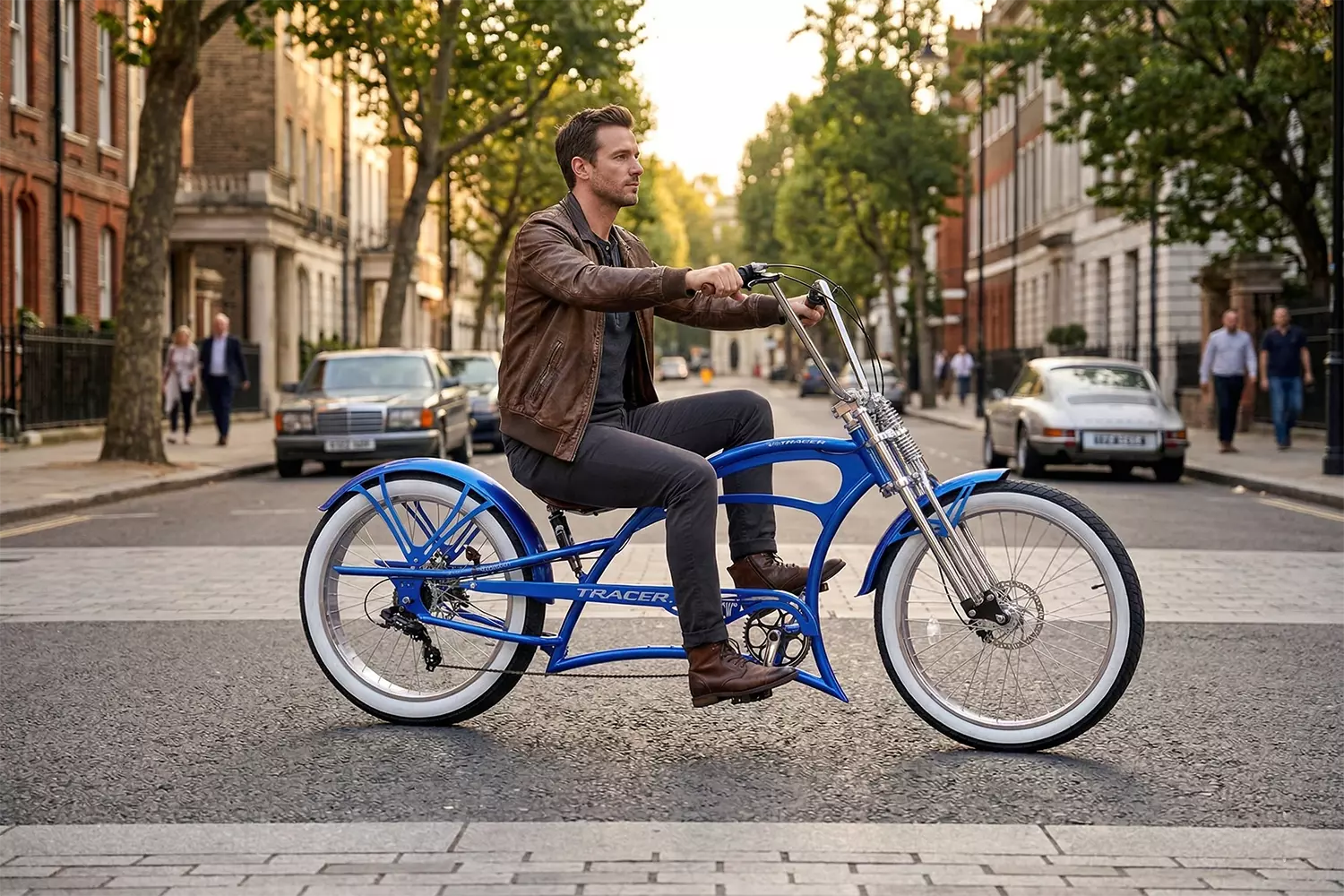
Originally built for beach cruising and leisure riding, cruiser bikes are now commonly used in cities for commuting, errands, and everyday travel. This naturally raises an important question: Are cruiser bikes good for city riding? The answer is not absolute. They perform very well in certain urban conditions but are less suitable in others. Their effectiveness depends on distance, terrain, and riding expectations. In this guide, we will break down their design, real-world performance, advantages, limitations, and ideal use cases to help you decide if they fit your urban lifestyle.
What Is a Cruiser Bike?
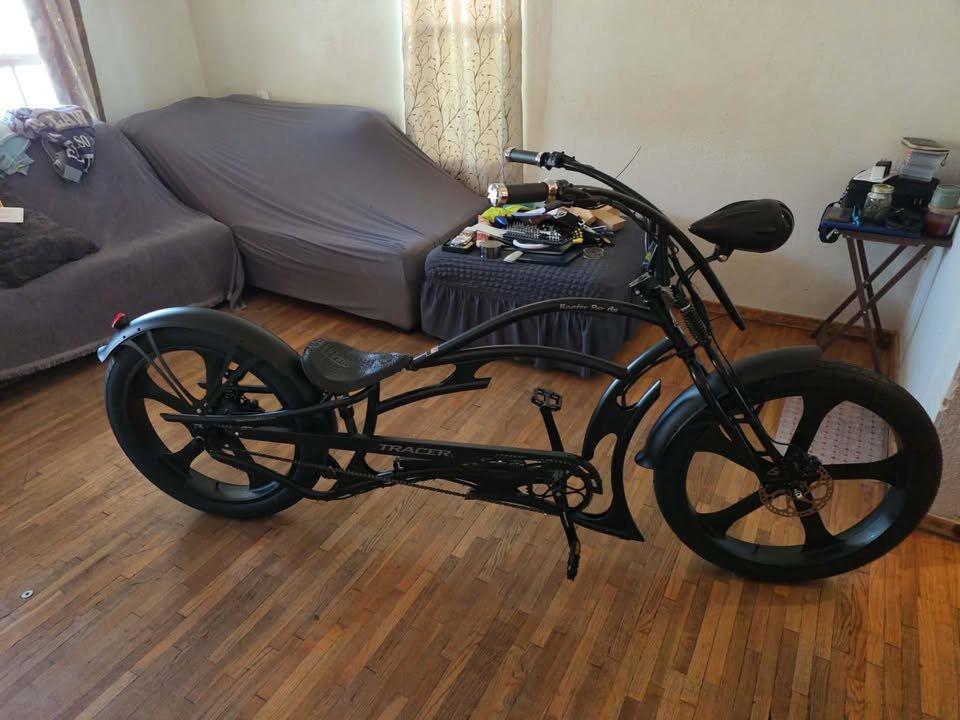
A cruiser bike is designed around one core principle: maximum comfort with minimal complexity. Unlike performance bikes that prioritize speed or technical efficiency, cruisers prioritize ease of use, stability, and relaxed riding posture.
Core Design Philosophy
Cruiser bikes are built for riders who want to enjoy the journey rather than rush through it. This philosophy influences every part of the bike’s design:
- Comfort over speed
- Simplicity over performance
- Stability over agility
- Style over technical complexity
Key Structural Features
1. Upright Geometry
Cruiser bikes place the rider in an upright position, which significantly reduces strain on the back, neck, and wrists. This posture also improves visibility in traffic, making city riding safer and more relaxed.
2. Wide Comfort Saddle
The seat is typically large and heavily padded. Some models include springs or gel cushioning to absorb vibration from uneven city roads.
3. Swept-Back Handlebars
These handlebars allow a natural arm position and eliminate the need to lean forward, contributing to long-distance comfort at low speeds.
4. Simple Drivetrain Systems
Most cruiser bikes use:
- Single-speed setups for simplicity
- Or 3–7 speed options for mild terrain variation
This reduces maintenance complexity and makes the bike easier to operate in stop-and-go city traffic.
5. Wide Tires for Stability
Thicker tires provide better shock absorption and grip, which is helpful on rough urban pavement.
6. Heavy-Duty Frame Construction
Cruiser frames are often made from steel, prioritizing durability and stability over lightweight performance.
Cruiser bikes are often misunderstood as “slow lifestyle bikes,” but in reality they are designed with a very specific riding philosophy centered on comfort and simplicity. If you want to understand their original purpose and why this design still matters today, you can read more in “What’s the Point of a Beach Cruiser Bike?”, which breaks down their core function and real-world usage scenarios.
Are Cruiser Bikes Good for City Riding?
Yes—cruiser bikes can be very effective for city riding, but only under the right conditions.
They perform best in cities where:
- Distances are short to moderate
- Roads are relatively flat
- Riding is casual rather than performance-driven
- Comfort is more important than speed
However, they are not designed for:
- Fast commuting over long distances
- Steep hills or mountainous terrain
- High-efficiency urban transportation needs
In simple terms:
Cruiser bikes are ideal for lifestyle city riding, not performance commuting.
Benefits of Cruiser Bikes for City Riding
1. Superior Comfort for Daily Urban Use
Comfort is the strongest advantage of cruiser bikes, especially in city environments where riders frequently stop, start, and navigate uneven roads.
The upright riding position provides multiple benefits:
- Reduces spinal pressure during long rides
- Prevents wrist and shoulder fatigue
- Improves head-up visibility in traffic
- Creates a more relaxed breathing posture
In real-world city use, this means you can ride longer without feeling physically strained, especially during casual commutes or leisure trips.
2. Extremely Beginner-Friendly Riding Experience
Cruiser bikes are designed to be intuitive. Unlike road bikes or mountain bikes, they require almost no technical learning curve.
Key advantages include:
- Simple or no gear shifting
- Predictable handling at low speeds
- Stable frame geometry that reduces wobbling
- Easy braking systems (often coaster brakes or simple hand brakes)
This makes cruiser bikes especially suitable for:
- First-time riders
- People returning to cycling after years
- Casual riders who want a stress-free experience
In a city environment with traffic lights, intersections, and frequent stops, this simplicity becomes a major advantage.
3. Low Maintenance and Long-Term Reliability
One of the most practical benefits of cruiser bikes is their low maintenance requirement.
Because they are mechanically simple:
- Fewer moving parts = fewer breakdowns
- Single-speed systems eliminate gear tuning
- Coaster brakes reduce brake maintenance
- Steel frames provide long-term durability
For city riders, this translates into:
- Lower repair costs
- Less time spent on maintenance
- More consistent daily usability
This is especially valuable for commuters who rely on their bike as a daily transportation tool.
4. Strong Lifestyle and Aesthetic Value
Modern city cycling is not just about transportation—it is also about lifestyle expression.
Cruiser bikes stand out visually due to:
- Retro-inspired frame design
- Smooth curves and clean geometry
- Wide range of color customization
- Compatibility with baskets, racks, and accessories
In urban environments, this makes cruiser bikes popular for:
- Coffee shop rides
- Social cycling
- Photography-friendly city travel
- Fashion-oriented commuting
They are often chosen not just for function, but for how they fit into a rider’s personal style.
5. Stable and Comfortable Ride on Urban Roads
City roads are often unpredictable. Cruiser bikes handle these conditions well because of:
- Wide tires that absorb vibrations
- Heavy frames that improve stability
- Relaxed geometry that enhances balance
This results in:
- Smoother rides over potholes and cracks
- Better control at low speeds
- Reduced impact from road imperfections
For casual urban riders, this creates a much more enjoyable experience compared to rigid performance bikes.
Beyond comfort, one of the key reasons cruiser bikes feel so different in urban environments is their unique frame structure and riding geometry. This becomes even more obvious when you compare them with stretched cruiser and chopper-style designs. A deeper breakdown can be found in “What Is a Stretch Cruiser Bike? The 2026 Complete Buyer’s Guide”, which explains how geometry directly affects riding comfort and city performance.
Limitations of Cruiser Bikes in City Riding
1. Limited Speed and Efficiency
Cruiser bikes are not designed for speed. Their geometry and weight reduce efficiency.
Compared to hybrid or road bikes:
- Slower acceleration
- More effort required for long distances
- Lower top-speed capability
This makes them less suitable for time-sensitive commuting.
2. Poor Hill Climbing Performance
One of the biggest weaknesses of cruiser bikes is uphill riding.
- Single-speed models struggle significantly on inclines
- Even multi-speed cruisers are not optimized for steep terrain
If your city has hills, this becomes a major consideration.
3. Heavier Frame Weight
Cruiser bikes are often heavier than other urban bikes due to steel construction.
This leads to:
- More effort when carrying the bike
- Less convenience for apartment living
- Reduced portability
4. Limited Functional Versatility
Cruiser bikes are highly specialized for comfort riding. They are less effective for:
- Long-distance commuting
- Fitness-focused cycling
- Mixed terrain riding
- High-speed urban travel
While cruiser bikes are excellent for relaxed urban riding, they are not always the fastest option in modern city traffic. Riders who prioritize efficiency, commuting speed, and traffic performance may also want to explore alternatives like electric cruisers. A useful comparison can be found in “Top 6 Electric Bike Trends in 2026: High-Power Motors, Long-Range Batteries & Cruiser Bikes”, which highlights how e-cruisers are reshaping city transportation.
Cruiser Bikes vs Other City Bike Types
|
Feature |
Cruiser Bike |
Hybrid Bike |
Road Bike |
|
Comfort |
⭐⭐⭐⭐⭐ |
⭐⭐⭐⭐ |
⭐⭐ |
|
Speed |
⭐⭐ |
⭐⭐⭐⭐ |
⭐⭐⭐⭐⭐ |
|
Ease of Use |
⭐⭐⭐⭐⭐ |
⭐⭐⭐⭐ |
⭐⭐⭐ |
|
Maintenance |
⭐⭐⭐⭐⭐ |
⭐⭐⭐ |
⭐⭐ |
|
City Versatility |
⭐⭐⭐ |
⭐⭐⭐⭐ |
⭐⭐⭐⭐⭐ |
Conclusion: Cruiser bikes dominate in comfort and simplicity, while hybrid bikes are more balanced for commuting.
When Cruiser Bikes Are Ideal for City Riding
Cruiser bikes are a great match if:
- Your rides are short (under 5–10 miles)
- Your city is mostly flat
- You prefer comfort over speed
- You want a relaxed lifestyle riding experience
- You value aesthetics and design
- You want minimal maintenance
When Cruiser Bikes Are NOT Suitable
You may want another bike type if:
- You commute long distances daily
- Your route includes steep hills
- You need fast travel times
- You require high efficiency cycling
Recommended Cruiser Bikes for City Riding
1. Tracer Avalon Cruiser Bike Series
- Designed for both commuting and casual leisure riding
- Available in multiple wheel sizes and gear options
- Balanced geometry suitable for different urban road conditions
- Focuses on comfort, stability, and easy handling
- Practical choice for everyday city use
Best for:
- Daily commuting
- Short to medium city rides
- Flexible all-around urban riding
2. Tracer Scorpion GTS 7-Speed Stretch Cruiser
- Stretch frame design for enhanced riding stability
- 7-speed drivetrain for better control in city environments
- Comfortable upright riding position for reduced fatigue
- Strong lifestyle and visual design appeal
- Suitable for longer relaxed urban rides
Best for:
- Comfortable city cruising
- Longer leisure rides
- Style-focused urban cycling
Thanks for reading! As a special bonus for our blog readers, enjoy 10% OFF your next order with code BLOG10.
Simply enter BLOG10 at checkout and save on your favorite Tracer bikes. Don't miss your chance to ride for less—your next adventure starts today!
Use Code: BLOG10
Conclusion
So, are cruiser bikes good for city riding? The answer is yes—but only for the right type of rider and riding environment. Cruiser bikes are best suited for people who value comfort over speed, simplicity over complexity, and lifestyle over performance. They are not designed for efficiency or long-distance commuting, but they excel in what they are built for: relaxed, stable, and enjoyable urban riding.
For many city riders—especially beginners, casual cyclists, and lifestyle-focused users—cruiser bikes offer one of the most enjoyable and stress-free ways to experience urban cycling. When used in the right conditions, they can transform everyday transportation into a comfortable and relaxing part of daily life.
FAQ
1. Are cruiser bikes good for commuting?
Yes, for short and relaxed commutes in flat cities.
2. Can cruiser bikes handle city traffic?
Yes, especially in bike lanes and low-speed environments.
3. Are cruiser bikes good for beginners?
Yes, they are one of the easiest bike types to learn.
4. Are cruiser bikes good for hills?
Not ideal unless they have multiple gears.
5. How far can you ride a cruiser bike?
Typically 5–10 miles comfortably.
6. Can cruiser bikes be upgraded?
Yes, with gears, accessories, and improved components.