The electric bike industry is growing rapidly, and 2026 is set to be a key year for e-bike trends and innovation. Once a niche option, e-bikes have become a mainstream choice for commuting, fitness, and leisure, driven by improvements in high-power motors, long-range battery technology, comfort, and smart riding features. This article explores the top 6 e-bike trends shaping the industry in 2026.
1. Higher Power E-Bike Motors: 750W–1000W Standard for 2026 Cruisers & Commuters
One of the most significant developments in the e-bike market is the growing demand for higher power motors. While early electric bikes often featured lower wattage motors designed mainly for basic assistance, modern riders expect stronger performance, smoother acceleration, and better hill-climbing capabilities.
In 2026, motors in the range of 750W to 1000W are increasingly becoming standard in premium electric bikes, especially in cruiser and performance-focused models. This shift reflects changing rider expectations and improvements in motor efficiency and controller technology.
Why Higher Power E-Bike Motors Matter for Riders
Higher power motors offer several advantages that significantly improve the riding experience:
- Improved acceleration — Riders can start faster from a stop, especially useful in city traffic.
- Better hill climbing ability — Higher torque allows riders to handle steep inclines with less effort.
- Enhanced load capacity — Stronger motors support heavier riders or cargo.
- More consistent performance — Power delivery remains stable even during long rides.
- Greater versatility — Suitable for both commuting and recreational riding.
High-powered motors are especially important for stretch cruisers, which feature larger frames and heavier components. These bikes need extra power to maintain smooth, responsive performance, allowing riders to enjoy both style and practicality.
Suggested Extension: For readers wanting to learn more about motor options and how power affects performance, see A Complete Motor Power Guide: Which Power Level Matches Your Ride, Roads & Lifestyle?
Growth of Performance-Oriented Cruiser E-Bikes
Higher power motors are especially popular in electric cruiser and stretch bikes, which often feature larger frames and heavier construction. These bikes require more power to maintain smooth performance, making high-output motors essential.
The trend toward more powerful motors reflects a broader industry shift toward performance, convenience, and rider confidence. As motor technology continues to improve, riders can expect even quieter operation, improved energy efficiency, and better integration with smart control systems.
2. Long-Range E-Bike Batteries 2026: Lithium-Ion Tech to End Range Anxiety
Battery technology remains one of the most important factors influencing e-bike adoption. In 2026, long-range capability and battery reliability are major selling points, with manufacturers focusing on improving energy density, charging speed, and lifespan.
Modern electric bikes increasingly use high-quality lithium-ion battery cells, including premium cells from well-known manufacturers, to deliver consistent power and extended range.
The End of E-Bike Range Anxiety in 2026
One of the biggest barriers to e-bike adoption in the past was concern about battery life. Today, improvements in battery capacity and efficiency are dramatically reducing this issue.
Riders now expect:
- Longer travel distances per charge
- Faster charging times
- Stable power output
- Longer battery lifespan
- Reliable performance in different weather conditions
Many electric bikes now provide sufficient range for full-day use, making them practical for commuting, leisure riding, and extended trips.
Advances in E-bike Battery Management Systems
Modern battery management systems (BMS) play a crucial role in improving safety and performance. These systems monitor temperature, voltage, and power distribution to optimize efficiency and prevent damage.
Benefits of advanced battery systems include:
- Improved safety protection
- Better energy efficiency
- Extended battery life
- More consistent performance
- Enhanced charging reliability
As battery technology continues to evolve, the gap between electric bikes and traditional transportation methods continues to narrow.
3. Comfort-Focused E-Bikes: Cruiser & Stretch Designs for Long Rides
In 2026, comfort has become a central factor in purchasing decisions. Riders using e‑bikes for daily commuting, leisure, or long‑distance travel increasingly prioritize ergonomic design and stability.
Comfort‑focused features include:
- Upright riding positions
- Extended wheelbases for stability
- Wide handlebars and cushioned seats
- Fat tires for shock absorption
- Relaxed frame geometry for long‑ride ease
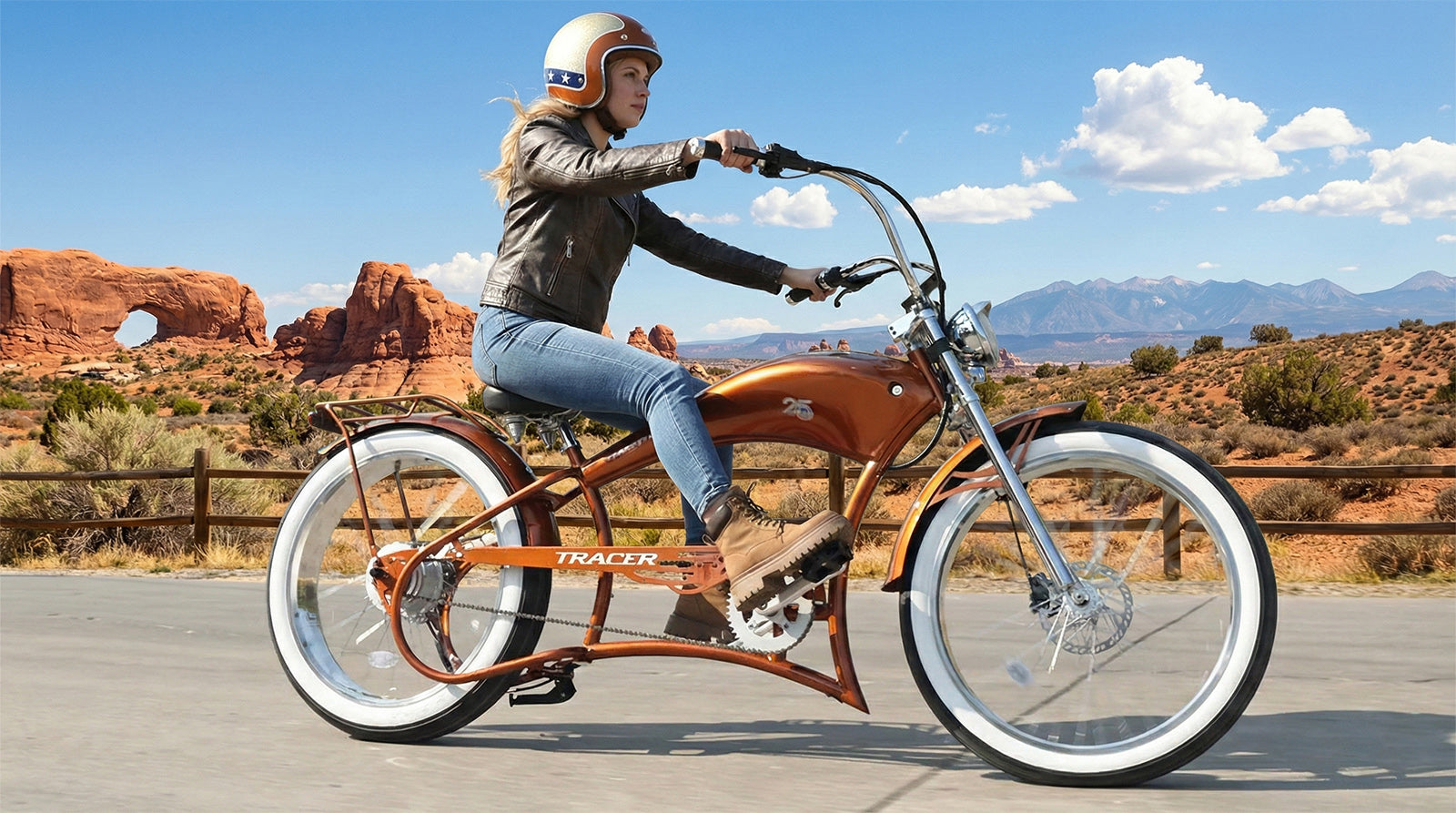
Stretch cruiser bikes offer exceptional stability and smooth handling, making them ideal for long rides and casual cruising.
Tracer Cruiser E-Bike Models: Comfort & Performance
- Twenty5 GT 26" Electric Cruiser: Equipped with an 800W motor and Samsung 48V/17.5Ah battery, this cruiser blends retro charm with modern technology. With intelligent pedal assist and a smooth ride profile, it’s ideal for leisure trips and daily cruising.

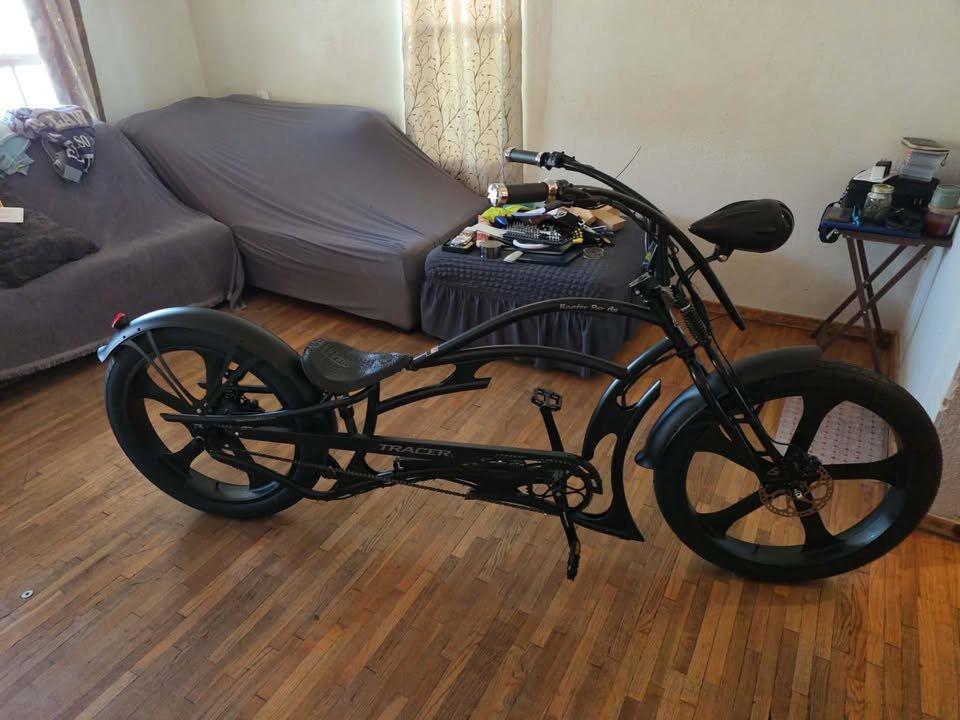
- Raptor Pro DS: A rugged and capable e‑cruiser with a powerful motor, fat tires, and a sturdy frame, designed for both urban streets and open rides. Its responsive braking and comfort‑oriented geometry make it a great choice for riders seeking reliability and style.

These models show how comfort‑focused design and advanced features come together to elevate the rider experience.
Thanks for reading! As a special bonus for our blog readers, enjoy 10% OFF your next order with code BLOG10.
Simply enter BLOG10 at checkout and save on your favorite Tracer bikes. Don't miss your chance to ride for less—your next adventure starts today!
Use Code: BLOG10
4. Retro & Street-Style Aesthetics: The Top E-Bike Design Trend in 2026
Design has become a major factor influencing e-bike purchasing decisions. In 2026, riders are seeking bikes that reflect personal style and identity, leading to strong demand for retro-inspired and street-oriented aesthetics.
Electric bikes are evolving from simple mobility devices into lifestyle products that combine performance with visual appeal.
Popular Retro & Street-style E-Bike Design Trends
Several visual styles are gaining popularity:
- Retro chopper designs
- Low rider aesthetics
- Stretch frames
- Fat white wall tires
- Custom paint finishes
- American cruiser styling
- Minimalist industrial designs
These styles appeal particularly to urban riders who want their bikes to stand out.
How Street Culture Influences E-Bike Aesthetics
Street culture, custom vehicle design, and urban fashion continue to influence bike design. Riders increasingly view their bikes as an extension of personal identity.
This trend is driving demand for:
- Customization options
- Unique frame designs
- Premium finishes
- Distinctive silhouettes
- Limited edition models
Manufacturers are responding by focusing more on visual design and craftsmanship alongside performance.
5. Smarter Pedal Assist Systems: Advanced E-Bike Riding Technology
Technological innovation is transforming the way riders interact with electric bikes. In 2026, pedal assist systems are becoming more intelligent, responsive, and efficient.
Modern systems use advanced sensors and control algorithms to deliver a more natural riding experience.
Key Improvements in 2026 E-Bike Pedal Assist Technology
New pedal assist systems offer:
- Multiple assist levels for different riding conditions
- Smooth and responsive power delivery
- Torque-based assistance for natural pedaling feel
- Improved energy efficiency
- Better control over speed and acceleration
These systems automatically adjust motor output based on rider input, terrain, and speed.
E-Bike Integration with Digital & Smart Technology
Some electric bikes now include digital displays and smart features such as:
- Real-time performance monitoring
- Battery status tracking
- Ride statistics
- Customizable assist settings
Smart technology improves convenience and allows riders to personalize their experience.
As software and sensor technology continue to advance, e-bikes are becoming increasingly intelligent mobility solutions.
6. E-Bikes Replacing Cars: Short-Distance Urban Transportation Trend
Perhaps the most transformative trend in 2026 is the growing role of electric bikes as alternatives to cars for short-distance travel.
Urban congestion, rising fuel costs, and environmental concerns are driving more people to choose e-bikes for daily transportation.
The Shift Toward E-Bike Micro-Mobility in Cities
Electric bikes are at the center of the global micro-mobility movement, which focuses on efficient and sustainable transportation solutions for short trips.
Key reasons for adoption include:
- Reduced commuting time in traffic
- Lower transportation costs
- Minimal environmental impact
- Easier parking
- Greater flexibility in urban environments
Many cities are also expanding bike lanes and infrastructure, making e-bike commuting safer and more convenient.
Suggested Extension: For readers interested in short-distance urban commuting, see The Top 10 Advantages of Cruiser Bikes in City Commutes.
Environmental and Economic Benefits of E-Bikes
Electric bikes offer significant advantages over traditional vehicles:
- Reduced carbon emissions
- Lower maintenance costs
- Improved energy efficiency
- Decreased dependence on fossil fuels
As sustainability becomes a global priority, e-bikes are expected to play an increasingly important role in urban transportation systems.
The Growing Role of Innovation in the E-Bike Industry
Beyond these six major trends, the broader electric bike market continues to benefit from rapid technological development and industry investment.
Manufacturers are investing in:
- Stronger frame materials
- Improved braking systems
- Enhanced safety features
- Better suspension technologies
- More efficient manufacturing processes
These improvements collectively enhance durability, reliability, and rider safety.
Brands like Tracer USA Inc. are incorporating many of these innovations into modern electric cruiser and stretch bike designs, reflecting the direction of the industry and responding to evolving rider expectations.
What These Trends Mean for Consumers
For consumers, the evolution of electric bike technology means more choices, better performance, and improved overall value. Riders can now find bikes that match specific needs, whether for commuting, recreation, fitness, or lifestyle expression.
Key benefits for riders include:
- Greater comfort and usability
- Improved performance and reliability
- Longer travel range
- Enhanced safety
- More personalized riding experiences
Electric bikes are becoming accessible to a wider audience, including those who previously found traditional cycling challenging.
The Future of Electric Mobility
Looking ahead, the electric bike industry is expected to continue expanding rapidly. Advances in battery technology, smart connectivity, and sustainable manufacturing will further accelerate adoption.
Future developments may include:
- Even longer battery ranges
- Fully integrated smart connectivity
- Lightweight high-strength materials
- Expanded urban infrastructure
- Increased customization options
Electric bikes will likely become an essential component of modern transportation systems worldwide.
Suggested Extension: For readers who want to explore battery care and maintenance, see Do E-Bike Batteries Drain When Not in Use? Complete Guide to Battery Storage & Maintenance.
Conclusion
The electric bike market in 2026 is shaped by innovation, performance, comfort, and lifestyle integration. Features like higher power motors, longer-range batteries, comfort-focused designs, smart technology, and stylish aesthetics are transforming how people ride and use e-bikes for daily transportation.
These trends mark a shift in mobility, with riders expecting efficiency, comfort, and advanced technology. As the industry evolves, e-bikes will play a growing role in sustainable transportation, urban mobility, and recreational riding, with 2026 representing just the start of this transformation.
FAQ
1. What are the top e-bike trends in 2026?
Higher power motors, long-range batteries, comfort-focused cruisers, retro/street-style designs, smarter pedal assist, and urban commuting adoption are the key 2026 trends.
2. How do high-power motors improve e-bike rides?
High-power motors (750–1000W) provide faster acceleration, better hill-climbing, and stable performance for heavier loads and long rides.
3. What makes an e-bike comfortable for long rides?
Comfort comes from upright riding positions, wide handlebars, cushioned seats, fat tires, and relaxed frame geometry that reduce fatigue on long trips.
4. How far can e-bikes travel on one charge?
Modern e-bikes can travel 30–60 miles (48–97 km) per charge, depending on terrain, rider weight, and assist level.
5. Can e-bikes replace cars for short trips?
Yes, e-bikes reduce commuting time, lower costs, are eco-friendly, and are ideal for urban short-distance trips.