


Introduction
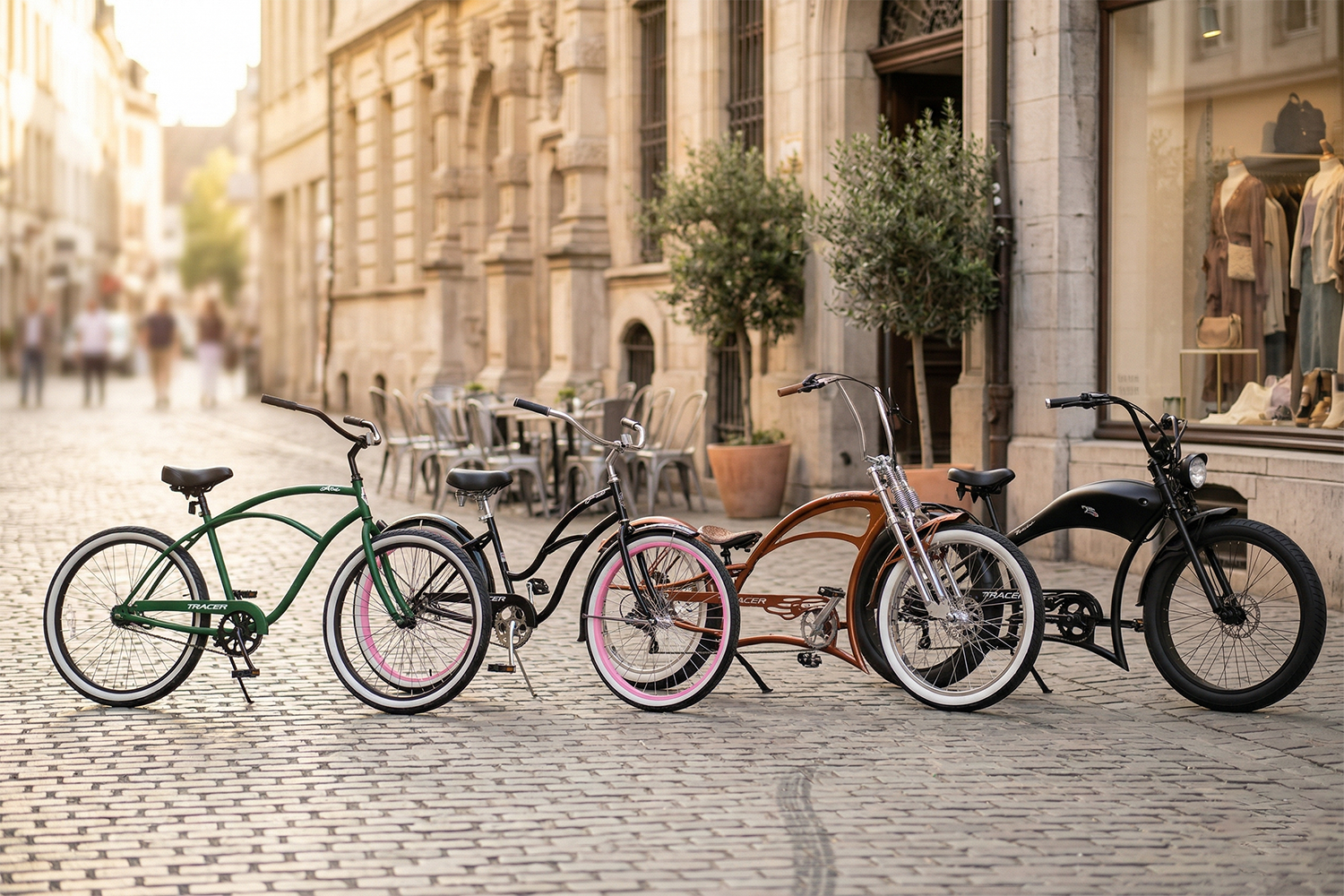
If you’ve ever finished a bike ride with a sore back, numb hands, or aching thighs, you know how important comfort is when choosing an adult bicycle. Whether you ride to commute, exercise, explore local trails, or cruise along scenic routes, comfort directly impacts how long you’ll ride, how much you enjoy the experience, and whether you’ll make cycling a regular habit. In this comprehensive guide to the Most Comfortable Bikes for Adults, we’ll break down what makes a bike comfortable, the types that are best for different riders and terrains, how to choose the right one for you, and our top picks for 2026 — including standout comfort choices from tracerbikes.
Comfort isn’t subjective guesswork — it comes from specific design elements like ergonomic geometry, seat construction, suspension, handlebar position, and tire design. Understanding these factors will help you choose a bike that supports your body and your goals.
What Makes a Bike Comfortable for Adults?
Comfort in a bike isn’t just about a soft seat — it’s about how your body interacts with the bike’s design on every ride.
1. Frame Geometry and Riding Position
The geometry of a bike’s frame determines how upright or aggressive your posture is while riding. Bikes marketed as comfort bikes generally have a more upright riding position, which keeps your spine aligned, reduces pressure on wrists, neck, and lower back, and improves visibility in urban settings. A relaxed reach to the handlebars (around 15–25 degrees upward and back) encourages a neutral wrist position that reduces hand numbness on rides over 30 minutes.
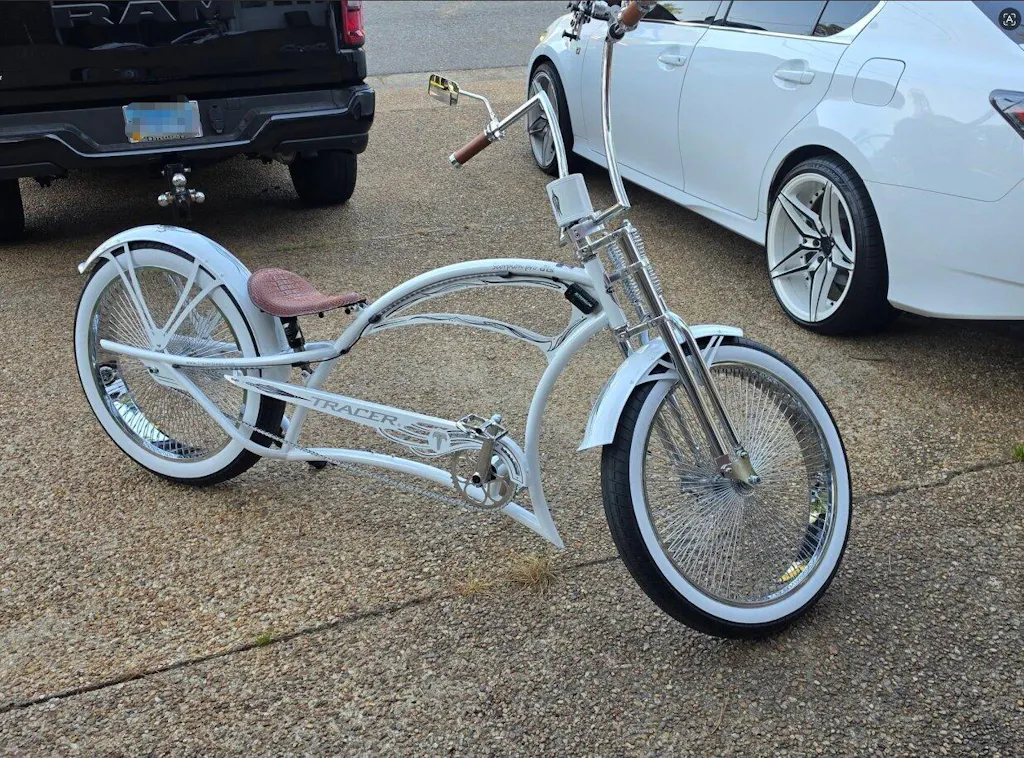
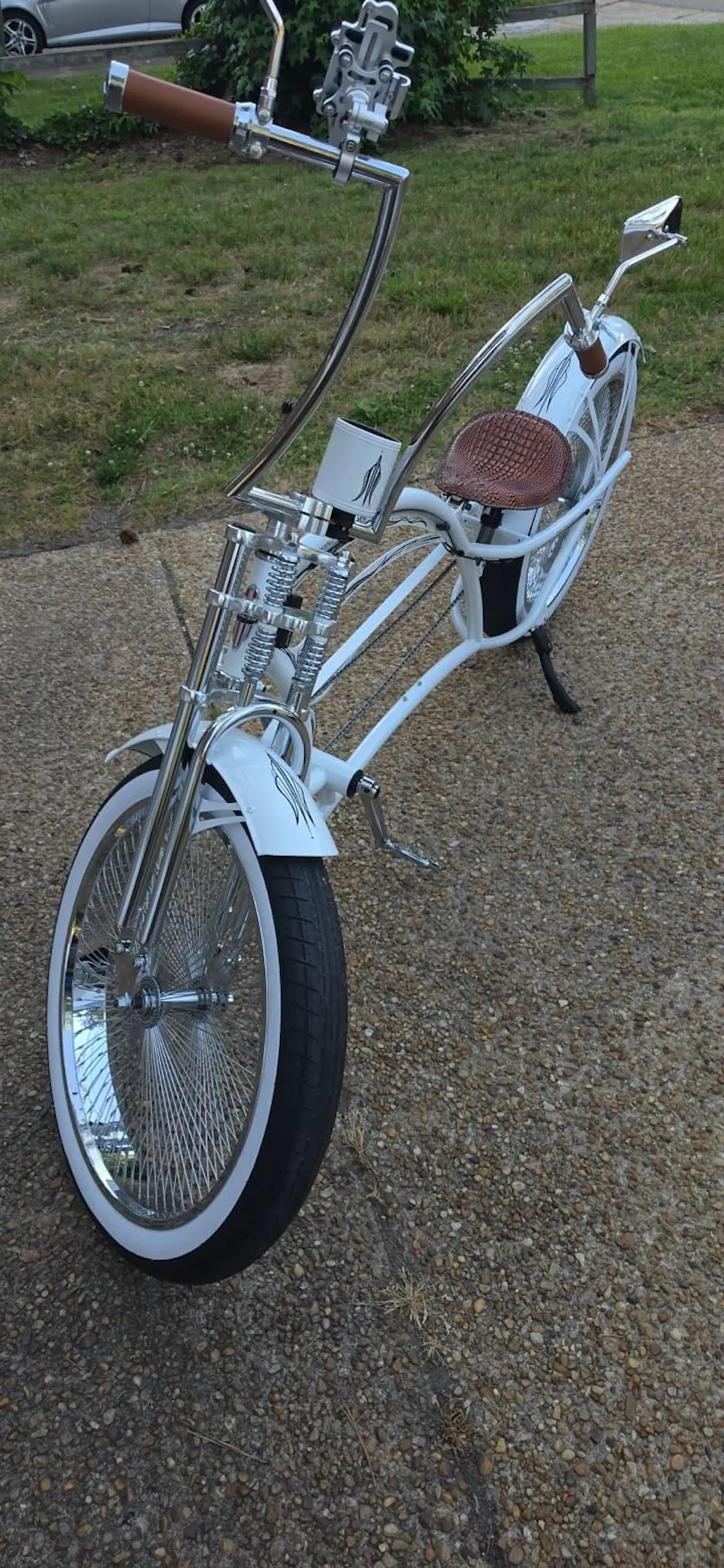
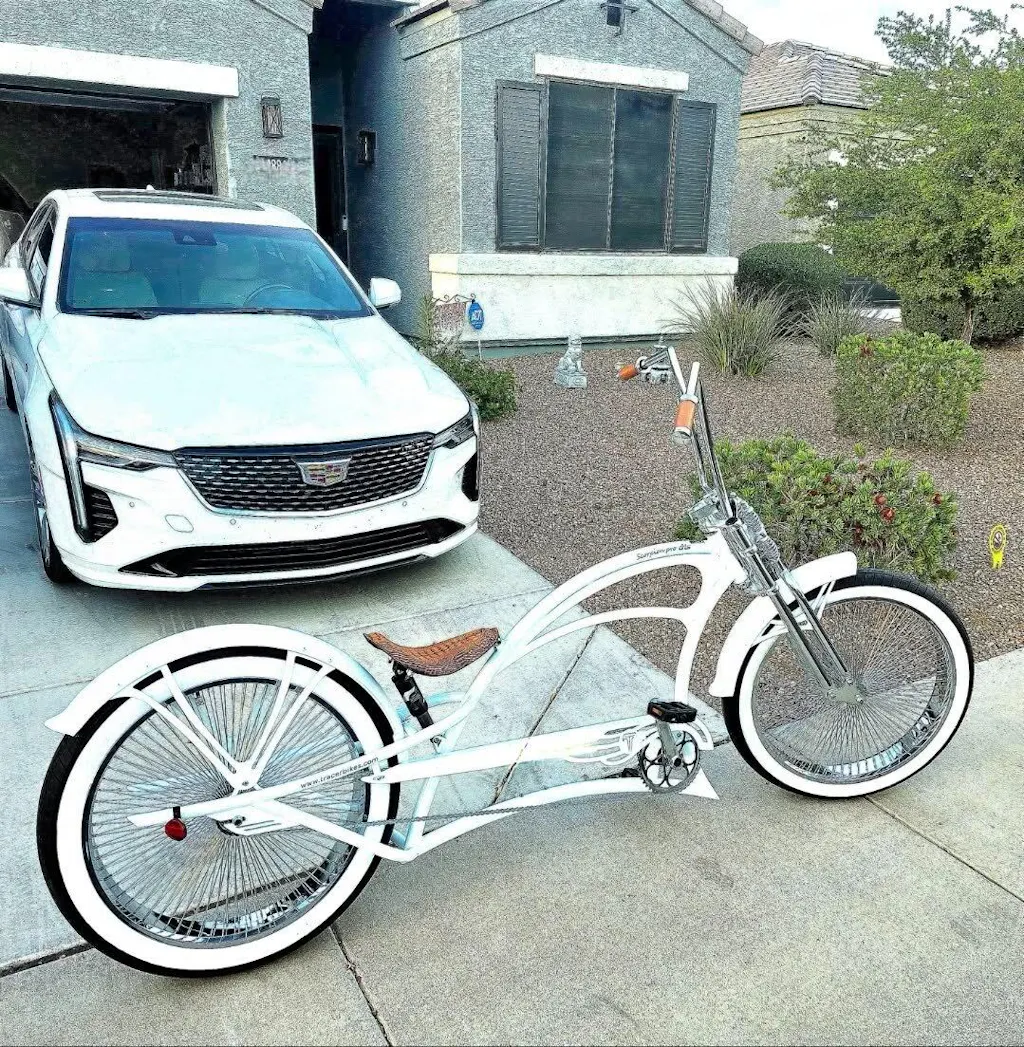
For riders interested in maximizing their ride setup, see our in-depth guide on cruiser gear systems: Stretch Cruiser Riding Top Tips: A Complete Guide To Cruiser Gear Systems!
2. Seat Design and Saddle Comfort
A saddle’s comfort comes from its shape, padding thickness, and materials:
- Gel or high‑density foam padding spreads pressure over a larger area, reducing soreness.
- Seats contoured for adult anatomy with cutouts or center relief channels reduce soft‑tissue pressure.
- Proper width (typically 160–180mm for most adults) supports sit bones rather than soft tissue.
With regular use (3–5 rides per week), quality gel seats maintain cushioning for 2–3 years before noticeable compression occurs.
3. Suspension and Shock Absorption
Comfort bikes often include front suspension forks with 30–50mm of travel. This smooths out small to medium bumps found on city streets, gravel paths, or light trails, reducing shoulder and spine vibration by up to ~20–30% compared to rigid frames without suspension.
Wide tires (35–50mm) run at moderate air pressures (40–60 psi) add comfort by further absorbing road irregularities.
For tips on riding in sand and mixed terrain, check out: Cruise the Coast in Style: Top Tips for Riding Stretch E-Bikes on Sand
4. Handlebars and Controls
Comfort bikes use upright, swept‑back handlebars that keep elbows slightly bent and wrists aligned. Ergonomic grips made from dual‑density foam or rubber reduce vibration and distribute pressure over a broader surface, preventing hotspots on long rides.
Summary of Comfort Factors
|
Comfort Feature |
What It Does |
Practical Benefit |
|
Upright Geometry |
Aligns body |
Reduces back/neck strain |
|
Gel/Foam Saddle |
Adds padding |
Less soreness on 60+ min rides |
|
Suspension Fork |
Smooths bumps |
Reduces shoulder vibration |
|
Wide Tires |
Adds cushioning |
Comfortable on rough roads |
|
Ergonomic Grips |
Reduces pressure |
Less hand numbness |
Understanding these elements helps you assess comfort across bike categories and choose a bike that fits your body and riding style.
To maintain comfort over time, see: How to Maintain Your Beach Cruiser: Tips for Long-Lasting Performance
Types of Most Comfortable Bikes for Adults
Not all comfortable bikes are the same — each type prioritizes comfort in slightly different ways.
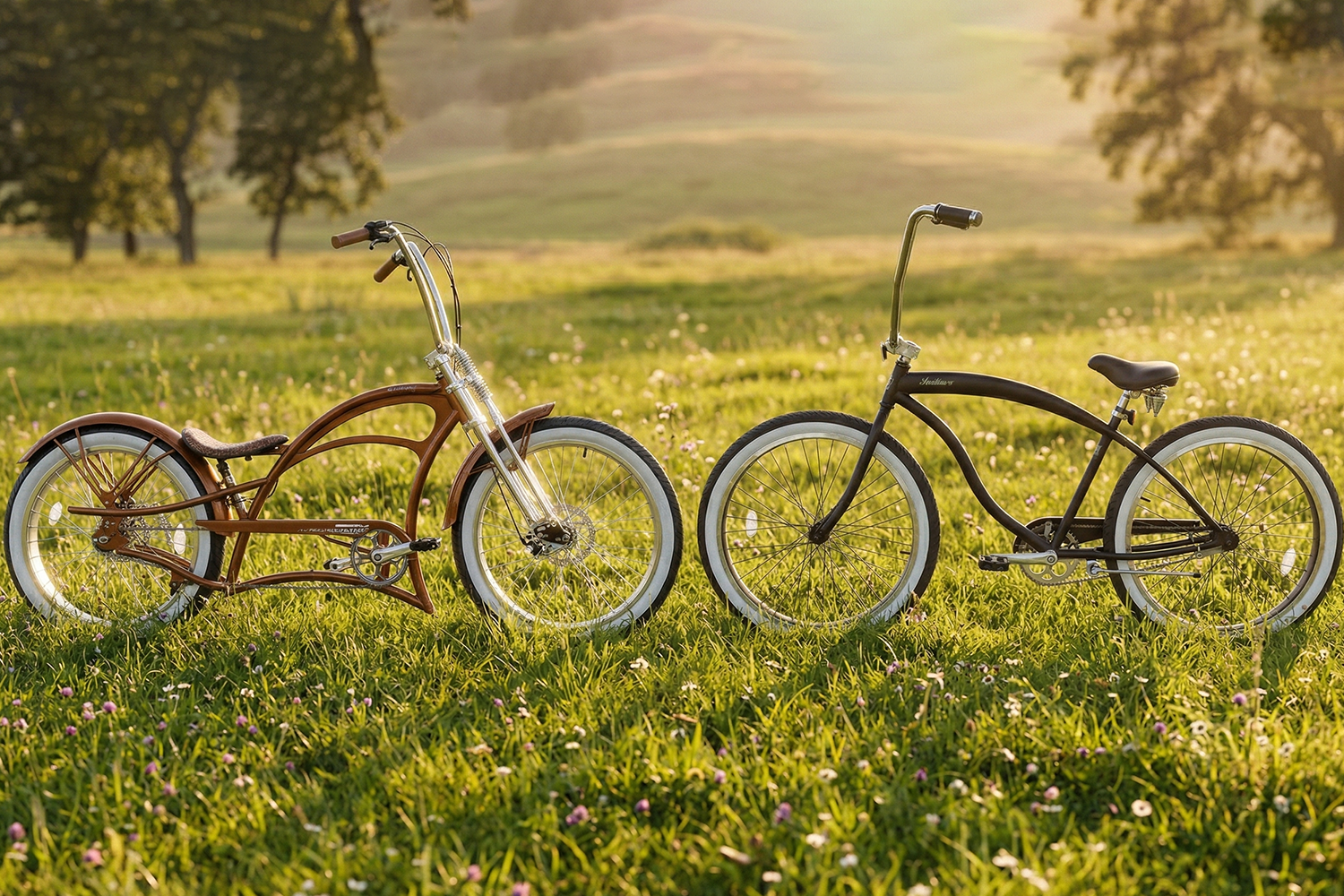
1. Cruiser Bikes — The Classic Comfort Choice
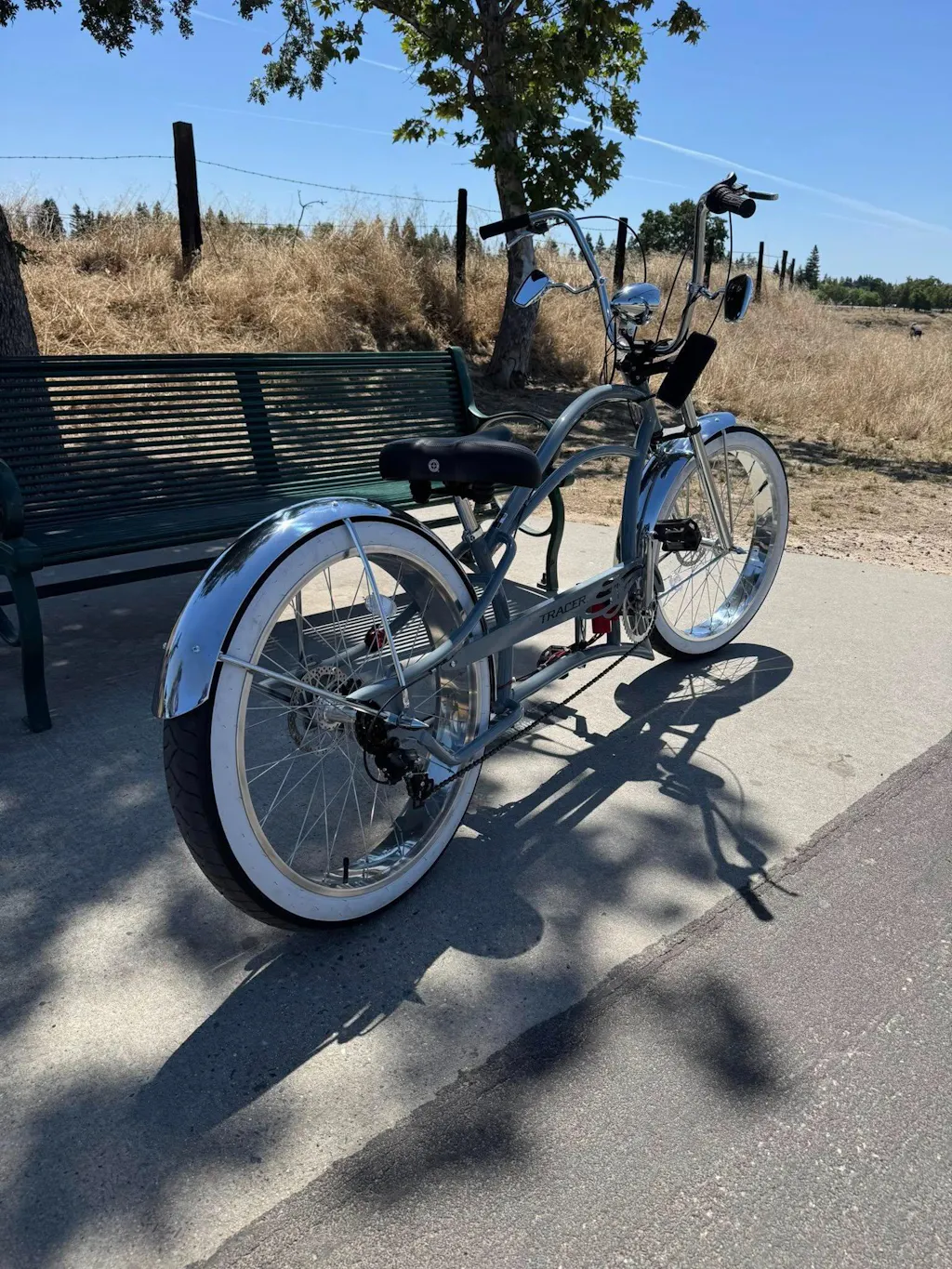
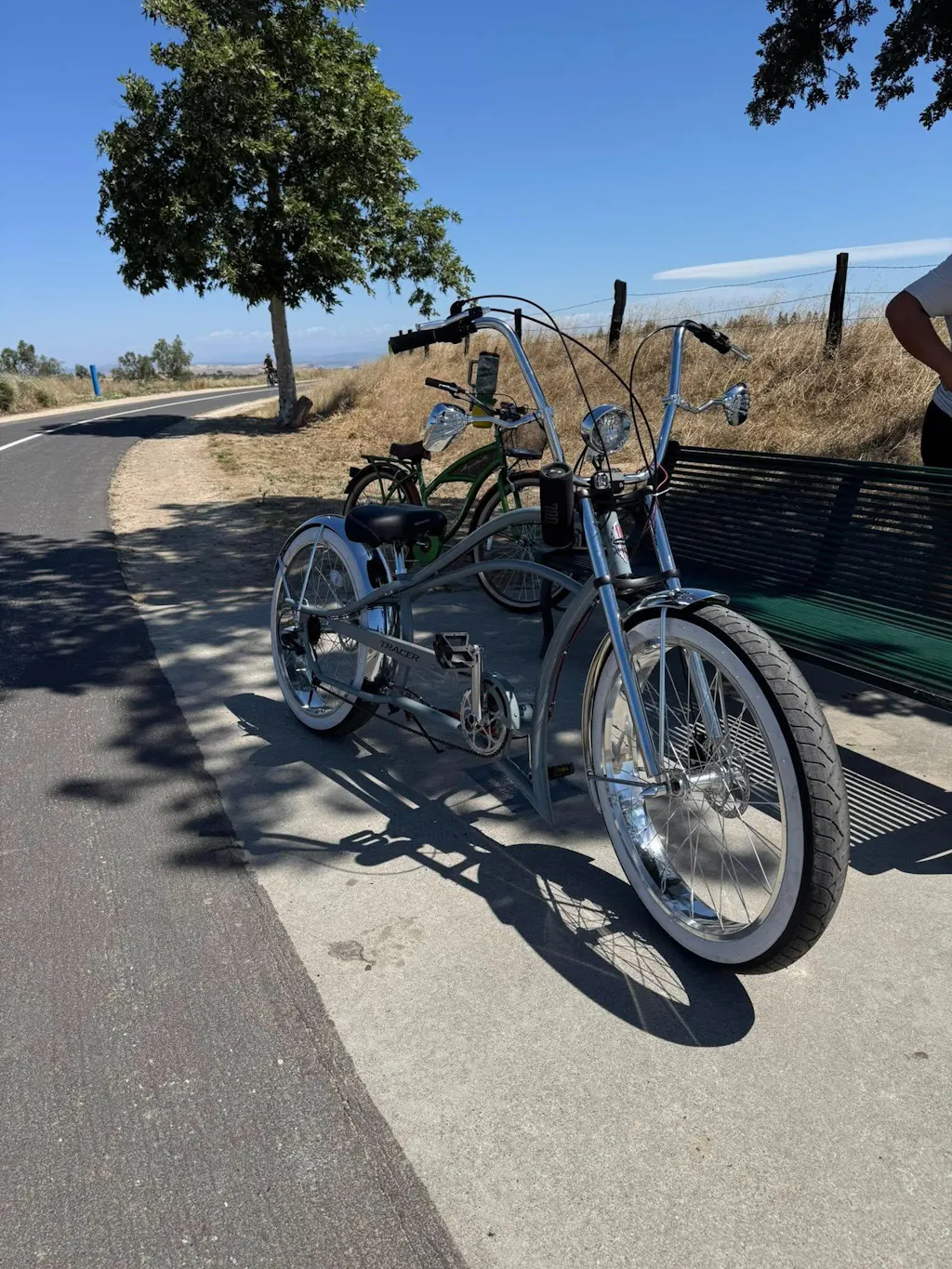
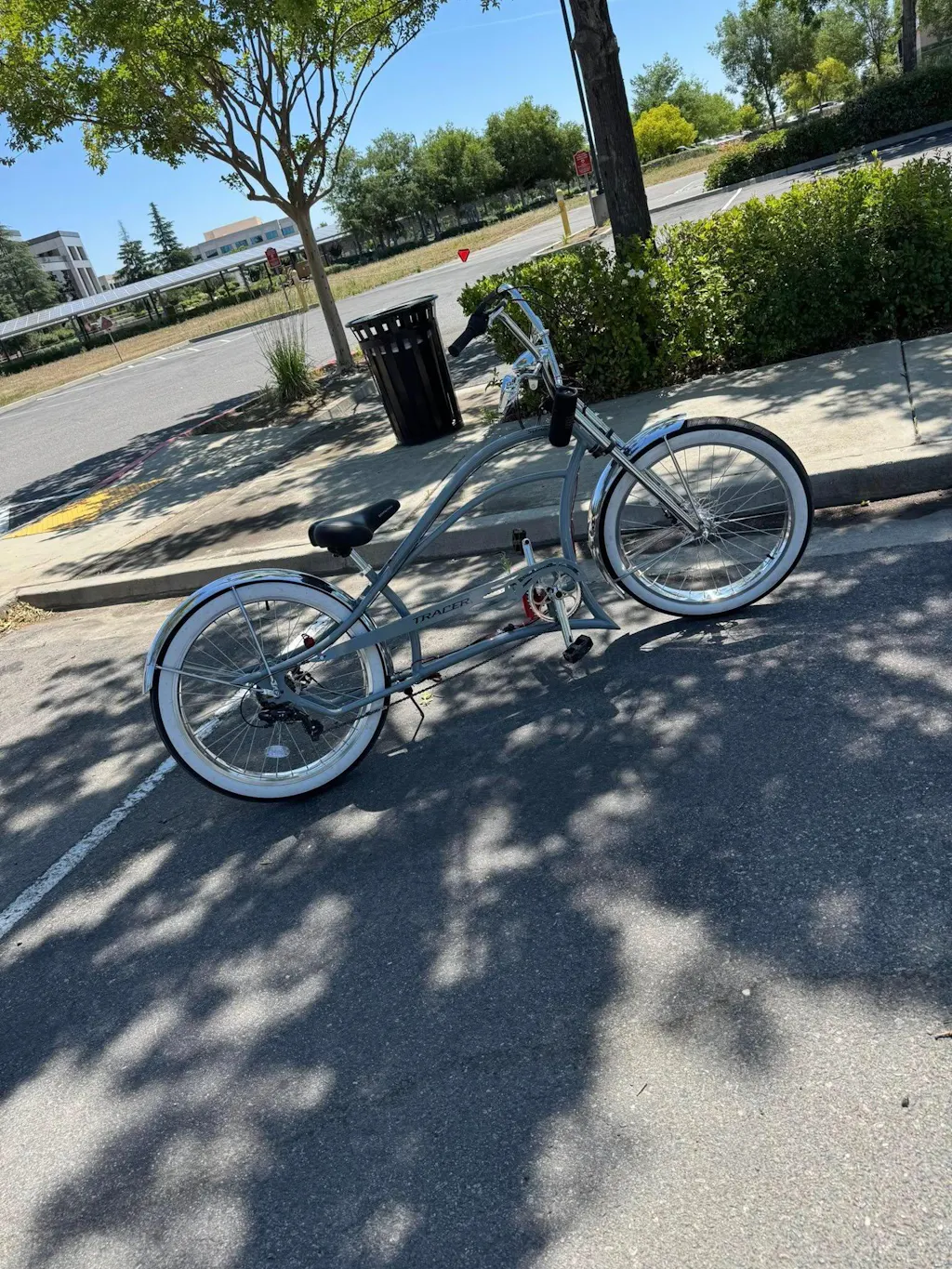
Cruiser bikes are often cited as the most comfortable bikes for adults for casual, relaxed riding. They feature:
- Wide seats with extra padding
- Upright handlebars
- Simple, durable frames
- Usually single or few speeds
This design places the rider in a relaxed position with minimal stress on joints, ideal for beach paths or neighborhood rides.
Who they’re best for: Casual riders, short to moderate distances (5–15 miles), riders prioritizing comfort over speed.
2. Hybrid Bikes — Versatile Everyday Comfort
Comfort hybrids blend relaxed geometry with practical features:
- Front suspension forks or elastomer inserts
- Slightly narrower tires for pedal efficiency
- Mounts for racks and fenders
These bikes are excellent for commuting, errands, and longer rides (10–40 miles) where comfort and versatility both matters.
3. Electric Comfort Bikes — Power + Ease
Electric comfort bikes offer pedal assist that reduces physical strain, which can be especially helpful for:
- Riders new to cycling
- Longer commutes
- Hilly terrain
A quality electric comfort bike maintains ergonomic seating and smooth power delivery, allowing riders to cover more distance with less fatigue.
4. Step‑Through Comfort Bikes — Easy On, Easy Off
Step‑through frames let you mount and dismount without lifting a leg over a high-top tube. This is particularly beneficial for:
- Riders with mobility limitations
- Those who plan frequent stops
- Daily city riders
Lower stand over height and upright posture make these some of the most confidence‑inspiring, comfortable adult bikes.
Top Most Comfortable Bikes for Adults in 2026
The most comfortable bikes combine upright geometry, supportive saddles, and vibration-absorbing components. Below are curated picks based on commonly recognized comfort features and real-world product positioning. Each example reflects the comfort principles discussed earlier—frame geometry, saddle support, and ride smoothness.
1. Tracer Comfort Cruiser — Editor’s Choice
Example model: Tracer Avalon 26" Beach Cruiser Bike
Why it’s great for comfort
- Wide, padded cruiser-style saddle designed for relaxed riding
- Swept-back handlebars support an upright posture
- Mid-width cruiser tires help smooth out pavement vibration
- Steel frame construction provides stability and durability
- Mounting points for accessories like racks and fenders
Comfort cruisers like the Avalon follow a classic design approach seen across many beach cruiser bikes. The upright position reduces strain on the lower back and wrists, which is why this category is often recommended by retailers for casual riders.
Ideal for: Recreational riders, neighborhood cruising, short-distance commuting
2. Tracer Comfort Hybrid — Best Balance of Comfort & Versatility
Example model: Tracer Bravery 24 Speed Hybrid Road Bike
Comfort features
- Multi-speed drivetrain for smoother cadence on varied terrain
- Front suspension fork (common in hybrids) helps reduce road vibration
- Ergonomic grips improve hand comfort during longer rides
- Semi-upright geometry balances efficiency and comfort
Hybrid bikes like the Bravery are designed to bridge the gap between cruisers and road bikes. According to product categories from major retailers, hybrids are commonly recommended for riders who want comfort but also need better pedaling efficiency for longer distances.
Ideal for: Daily commuters, fitness riders, mixed terrain users
3. City Cruiser Step‑Through — Best for Easy Mounting & Daily Comfort
Example model: Tracer Taha Beach Cruiser Bike for Women
Comfort highlights
- Step-through frame allows easy mounting and dismounting
- Wide saddle with center relief design for pressure reduction
- Upright riding position minimizes strain on wrists and back
Step-through cruisers are widely recommended in comfort-focused bike categories because they improve accessibility. This is especially helpful for riders who frequently stop, such as in urban environments.
Ideal for: City riders, beginners, riders seeking easy access and relaxed posture
Buying Guide for Comfortable Adult Bikes
When choosing from the many excellent comfortable bikes on the market, consider the following objective criteria:
1. Fit and Sizing
A bike must match your body proportions to be truly comfortable. Check:
- Frame size chart: Most manufacturers provide height–size recommendations (e.g., Medium for 5’6”–5’10”).
- Reach and stand over: Taller riders benefit from longer reach and larger frames, while shorter riders should prioritize step‑through options.
- Test ride adjustments: Stand over height, seat height, and handlebar reach should feel natural — not stretched or scrunched.
2. Comfort Features vs Budget
Comfort features add cost, so choose based on your priorities:
|
Feature |
Typical Cost Impact |
Comfort Benefit |
|
Gel/Memory Foam Saddle |
Low–Medium |
Immediate padding relief |
|
Suspension Fork |
Medium |
Cushions bump on rougher roads |
|
Ergonomic Handlebars/Grips |
Low |
Reduces hand fatigue |
|
Wide Tires |
Low |
Adds smoothness to ride |
If you primarily ride smooth city streets, prioritize a good saddle and ergonomic grips. If your route includes rough surfaces, consider a bike with front suspension.
3. Intended Use
- Casual cruising: Wide tires and relaxed geometry are key.
- Longer rides: Look for hybrids with efficient pedaling mechanics and comfort features.
- Hilly or long commutes: Electric assist can reduce strain.
4. Value and Durability
- Steel or aluminum frames both perform well; aluminum is lighter and resists corrosion longer.
- Components like sealed‑bearing hubs and quality brake systems (disc or V‑brakes) contribute to smoother, lower‑maintenance operation for years.
Common Comfort Issues & How to Fix Them
Even a well‑designed bike can feel uncomfortable if it’s not properly tuned to your body and riding conditions. Here’s how to address common issues:
Saddle Pain
- Problem: Pressure points or numbness after 20–40 min.
- Fix: Adjust saddle height so knee angle is ~25–30° at bottom pedal stroke; consider a wider saddle with a cutout to relieve soft‑tissue pressure.
Wrist or Hand Numbness
- Problem: Pins and needles during longer ride.
- Fix: Change to ergonomic grips, lower handlebar height slightly, or adjust brake lever reach so wrists maintain neutral alignment.
Back or Neck Discomfort
- Problem: Leaning too far forward strains muscles.
- Fix: Raise stem or choose handlebars with more sweep to encourage upright posture.
Vibration Fatigue
- Problem: Feeling shaken after 30–60 min on rough pavement.
- Fix: Lower tire pressure slightly (within safe limits) and add suspension or shock‑absorbing features like padded gloves or a seat post with built‑in vibration damping.
Conclusion
Choosing from the Most Comfortable Bikes for Adults involves understanding how bike design affects your posture, pressure distribution, and response to road conditions. Key comfort factors include upright frame geometry, padded saddles with pressure relief, shock‑absorbing tires and forks, and ergonomic grips that minimize strain.
Comfort bike types — cruisers, hybrids, electric‑assist, and step‑through frames — each serve different rider needs. Cruiser bikes offer relaxed riding, hybrids balance comfort and versatility, and step‑through frames make frequent stops and starts easy.
Practical Tips:
1. Always test‑ride before buying — comfort feels personal and is best judged in motion.
2. Adjust seat height and handlebar reach to match your body, reducing strain on joints.
3. Consider accessory upgrades like a gel seat cover or ergonomic grips if initial comfort is close but not perfect.
With the right fit and features, your bike becomes a daily joy rather than a source of discomfort.
FAQ
1. What is the most comfortable bike type for adults?
Cruiser bikes are often the most comfortable due to upright posture and padded seats. Comfort hybrids and step-through bikes also work well for longer rides.
2. How do I make my adult bike more comfortable?
Adjust saddle height, add ergonomic grips, use wider tires, or install a gel-padded seat to reduce pressure on knees, hands, and hips.
3. Are cruiser bikes the most comfortable for adults?
For casual rides, yes. For longer commutes, hybrids with suspension or ergonomic features may offer better all-day comfort.
4. How should a comfortable adult bike fit me?
Feet should reach pedals with knees slightly bent, hands comfortably on handlebars, and stand-over height with a few inches of clearance.
5. Does tire width affect comfort?
Yes — wider tires (35–50mm) absorb bumps better and reduce vibrations on rough or uneven surfaces.
6. Is suspension necessary for comfort?
Front suspension (30–50mm) helps on bumpy roads, but smooth streets may only need a padded seat and proper tires.
7. Can electric bikes be comfortable for adults?
Yes — pedal assist reduces fatigue, and their ergonomic frames and saddles offer similar comfort to manual comfort bikes.


Leave a comment
This site is protected by hCaptcha and the hCaptcha Privacy Policy and Terms of Service apply.