Introduction
Casual riding is one of the easiest ways to stay active while enjoying the outdoors, requiring neither high fitness levels nor technical skills. It emphasizes comfort, ease, and a relaxed riding experience—whether you’re cruising along a beach path, through a quiet neighborhood, or on a city bike lane. Choosing the Best Bikes for Casual Riding is about more than looks; it depends on handling, posture support, and consistent performance over time, helping reduce strain on your back, wrists, and knees while allowing longer, fatigue-free rides.
In this guide, we break down the main types of casual bikes, explain how to pick the right one for your needs, and provide practical examples—including several tracerbikes models—to highlight the features that truly matter for everyday riding.
Types of Bikes for Casual Riding
The first step in choosing the right bike is understanding the main categories. Each type serves a slightly different purpose depending on terrain and riding habits.
Cruiser Bikes for Relaxed Riding
Cruiser bikes are designed for comfort and simplicity. They typically feature wide tires, upright handlebars, and padded saddles. This geometry keeps your back straight and reduces pressure on your wrists.
A model like the Tracer Nova 26" Beach Cruiser Bike is a typical example. It uses a single-speed drivetrain and coaster brake, which simplifies operation and reduces maintenance needs. In practical use, this means fewer adjustments and less wear over time. Under casual riding conditions (3–5 rides per week, short distances), a steel cruiser frame like this can maintain its structural integrity for about 5–6 years.
Cruisers are best suited for:
- Flat terrain
- Short rides (3–8 miles)
- Riders who prefer simplicity over performance
If you're still unsure how cruisers compare to other bike styles, you can also explore What is the Difference Between a Cruiser Bike and a Regular Bike? including differences in comfort, geometry, and everyday usability.
Hybrid Bikes for Versatility
Hybrid bikes combine elements of road bikes and mountain bikes. They are designed for riders who want flexibility across different surfaces.
The Tracer Bravery 24-Speed Hybrid Road Bike is a strong example in this category. It features a multi-speed drivetrain and disc brakes, allowing riders to adjust resistance depending on terrain. This makes it easier to handle inclines or longer rides compared to a single-speed cruiser.
The aluminum frame reduces overall weight, making it easier to pedal efficiently. Under regular casual use, aluminum frames typically last 4–6 years, depending on riding frequency and maintenance.
Hybrid bikes are ideal for:
- Mixed terrain (pavement + light trails)
- Medium-distance rides (10–25 miles)
- Riders who want more control over speed and effort
Stretch Cruisers for Maximum Comfort and Style
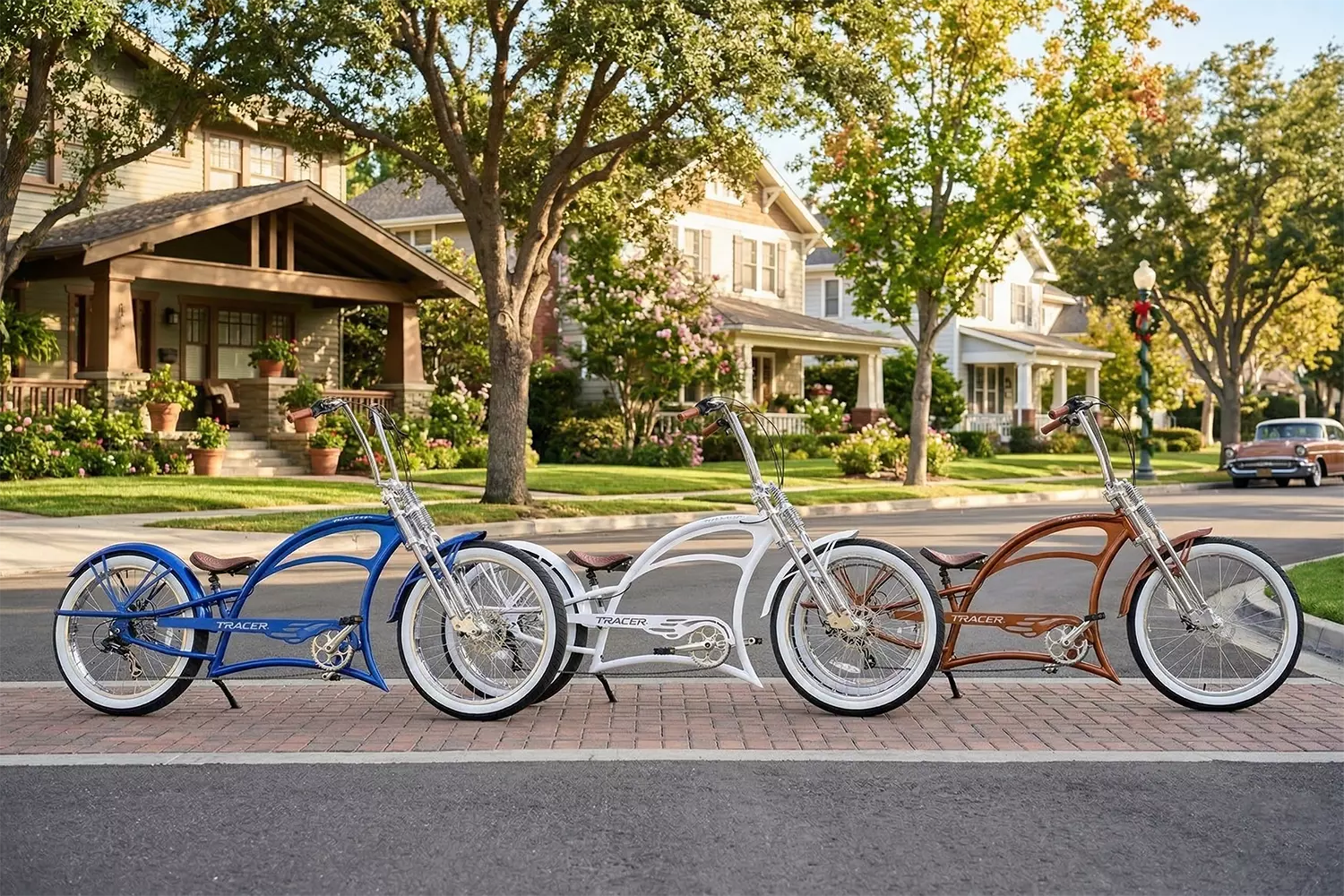
Stretch cruisers focus on stability and riding comfort, often with extended frames and larger tires.
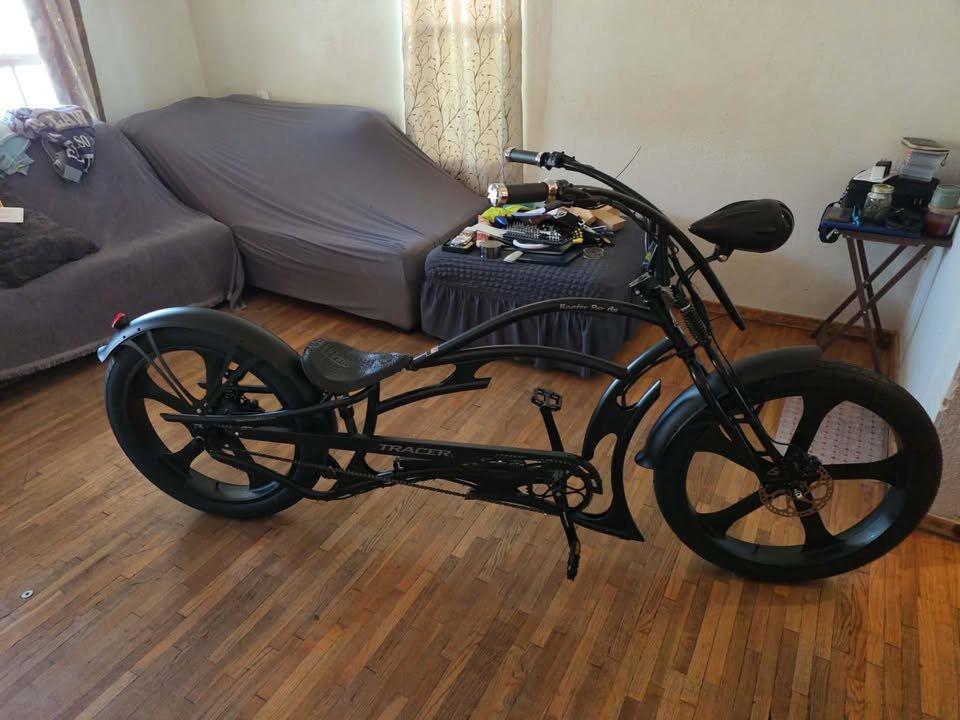
The Tracer Raider Pro DS7 Stretch Chopper Cruiser Bike uses an elongated frame design combined with wide tires. This increases wheelbase length, which improves balance and reduces the need for constant steering correction.
In real-world riding, this means smoother cruising at low speeds and better stability for beginners or relaxed riders. The steel frame resists bending under normal use and can last 5–7 years when used for casual rides of 5–10 miles.
This type of bike is best for:
- Riders who prioritize comfort over speed
- Boardwalk or urban cruising
- Riders who want a visually distinctive bike
For a deeper understanding of this unique design, it helps to look at What Is a Stretch Cruiser Bike? The 2026 Complete Buyer's Guide
Electric Bikes for Effortless Riding
Electric bikes are increasingly popular for casual riding because they reduce physical effort while extending riding range.
The Tracer Loiter Cruiser E-Bike includes an 800W motor and a high-capacity battery. This allows riders to travel approximately 40–60 miles per charge, depending on terrain and assist level.
The motor reduces pedaling strain, especially on hills or longer rides. In practical terms, this allows riders to maintain a steady pace without fatigue. The battery and motor system typically perform reliably for 3–5 years before noticeable degradation.
E-bikes are best suited for:
- Longer rides
- Hilly environments
- Riders who want assistance without giving up cycling
How to Choose the Best Bikes for Casual Riding
Choosing the right bike depends on a combination of physical comfort, terrain, and riding habits.
Frame Material Matters
- Steel frames absorb vibration well, making rides smoother. They typically last 6–8 years under casual use.
- Aluminum frames are lighter and resist corrosion. They generally last 5–7 years with normal riding.
Comfort Geometry
A good casual bike should allow an upright riding posture. This reduces strain on your lower back and shoulders.
Look for:
- Swept-back handlebars
- Adjustable seat height
- Wide saddles that distribute weight evenly
Gearing Simplicity vs Flexibility
- Single-speed bikes are easier to maintain and ideal for flat terrain
- Multi-speed bikes provide flexibility for hills and longer rides
Tire Width and Stability
Wider tires improve stability and absorb road vibration. For example:
- 2.0–2.5 inch tires offer balanced comfort
- Fat tires (3.0+ inches) provide maximum cushioning and grip
Braking Systems
- Coaster brakes are simple and low-maintenance
- Disc brakes provide consistent stopping power, especially in wet conditions
Advantages and Limitations of Casual Bikes
Advantages
Casual bikes are designed to be easy to ride and require minimal effort to operate. The upright riding position reduces fatigue, allowing riders to stay comfortable even during longer rides. Most casual bikes are also built with durable materials that hold up well under regular weekly use.
Limitations
Casual bikes are not designed for speed or aggressive terrain. Heavier frames can make them harder to transport. Single-speed models may struggle on hills, while cruisers may feel less responsive compared to hybrids.
Maintenance Tips for Long-Term Use
Maintaining your bike properly ensures it performs consistently over time.
- Check tire pressure regularly (typically 35–45 PSI for cruisers)
- Lubricate the chain every 2–3 weeks
- Inspect brakes monthly for wear
- Clean the frame to prevent corrosion
- For e-bikes, charge batteries regularly and avoid deep discharge
With proper care, most casual bikes can remain reliable for 5+ years of consistent use.
For long-term performance, it’s worth learning How to Maintain Your Beach Cruiser: Tips for Long-Lasting Performance
Conclusion
The Best Bikes for Casual Riding are those that match your riding style, terrain, and comfort preferences. Cruiser bikes offer simplicity and relaxation, hybrids provide versatility, stretch cruisers enhance comfort and stability, and e-bikes make longer rides more accessible.
Key takeaways:
- Choose a bike based on how and where you ride
- Prioritize comfort and fit over appearance
- Maintain your bike regularly to extend its lifespan
By selecting the right model—such as the Nova cruiser for simplicity, Bravery hybrid for flexibility, Raider Pro DS7 for comfort, or Loiter e-bike for effortless riding—you can enjoy consistent, enjoyable rides for years to come.
FAQ
1. Which type of bike is best for casual riding?
Cruisers are best for short, relaxed rides on flat terrain. Hybrids are better if you want versatility, while e-bikes are ideal for longer distances with less effort.
2. What is the average cost of a casual riding bike?
Industry averages suggest $400–$600 for standard bikes and $900+ for e-bikes, depending on components and features.
3. How far can you ride a casual bike comfortably?
Most riders can comfortably ride 5–15 miles on a cruiser and 10–25 miles on a hybrid. E-bikes extend this range significantly.
4. Are casual bikes suitable for beginners?
Yes. Their design focuses on stability and ease of use, making them ideal for new riders.
5. Do I need multiple gears for casual riding?
Not always. Single-speed bikes work well on flat terrain, while multi-speed bikes are better for hills.
6. How long do casual bikes last?
With regular maintenance, most casual bikes last between 5–8 years depending on frame material and usage.