For anyone new to cycling, choosing the right bike can feel overwhelming. The question often arises: “Is a Cruiser Bike Good for Beginners?” Cruiser bikes are commonly seen along beaches, parks, and city streets, offering a casual, relaxed riding experience. But are they really suitable for someone who has never ridden a bike before? This article explores cruiser bike features, beginner advantages, potential limitations, and practical buying tips to help you make an informed choice.
A cruiser bike emphasizes comfort, balance, and ease of use rather than speed or advanced performance. Understanding these characteristics is essential for beginners who want to ride confidently and safely. This guide also compares cruisers with other beginner-friendly bikes, provides maintenance advice, and answers the most common questions new riders have.
What is a Cruiser Bike?
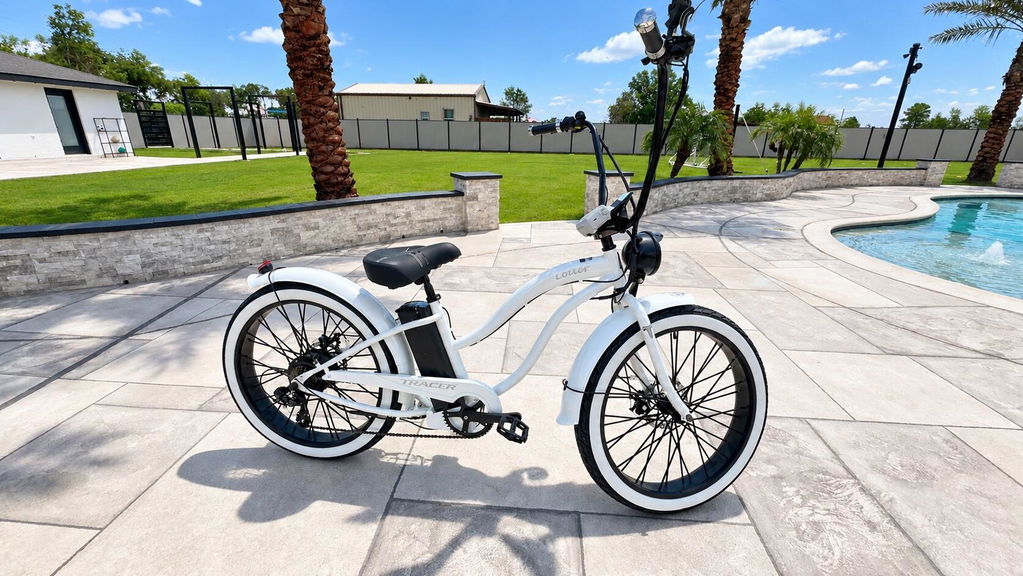
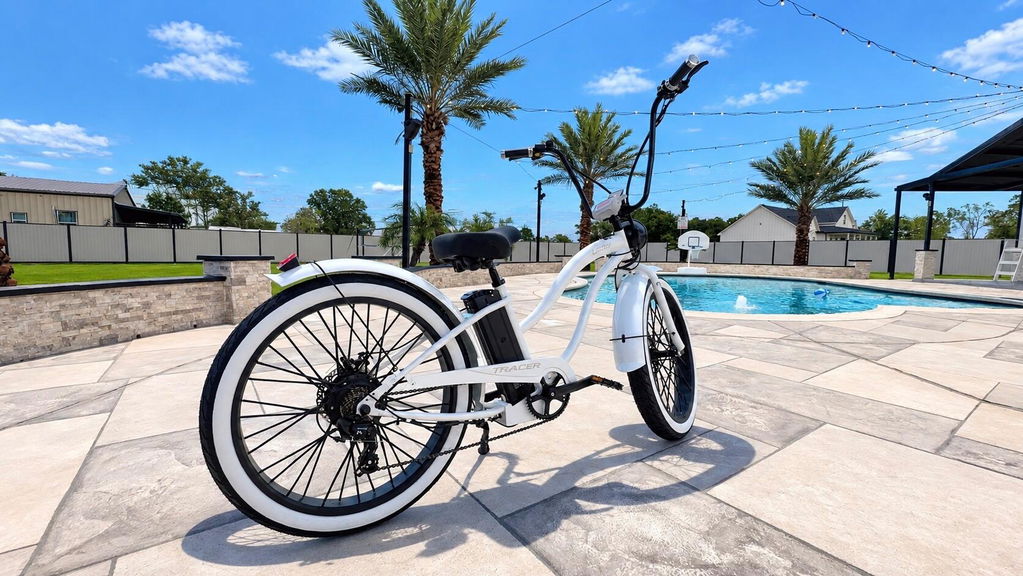
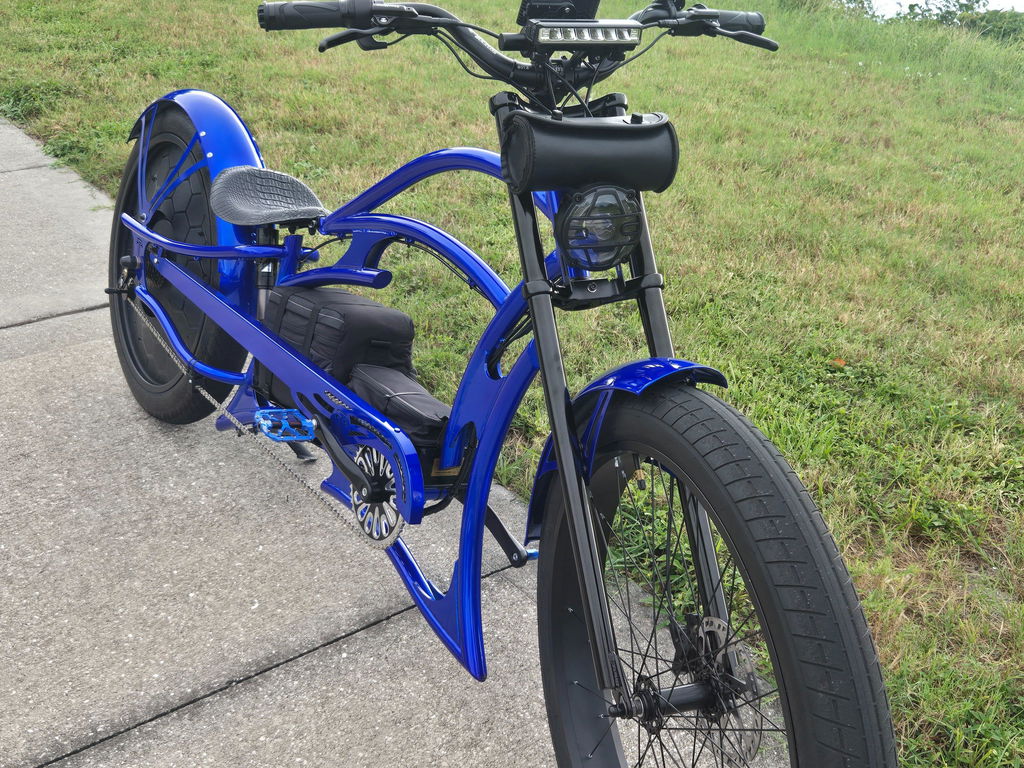
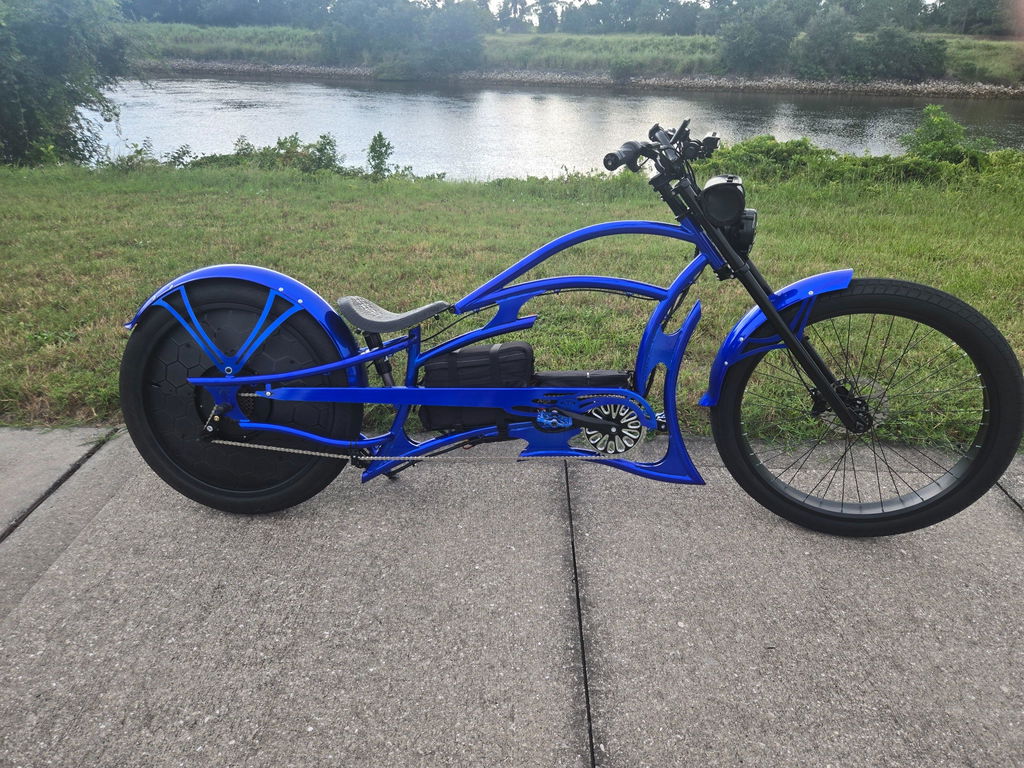
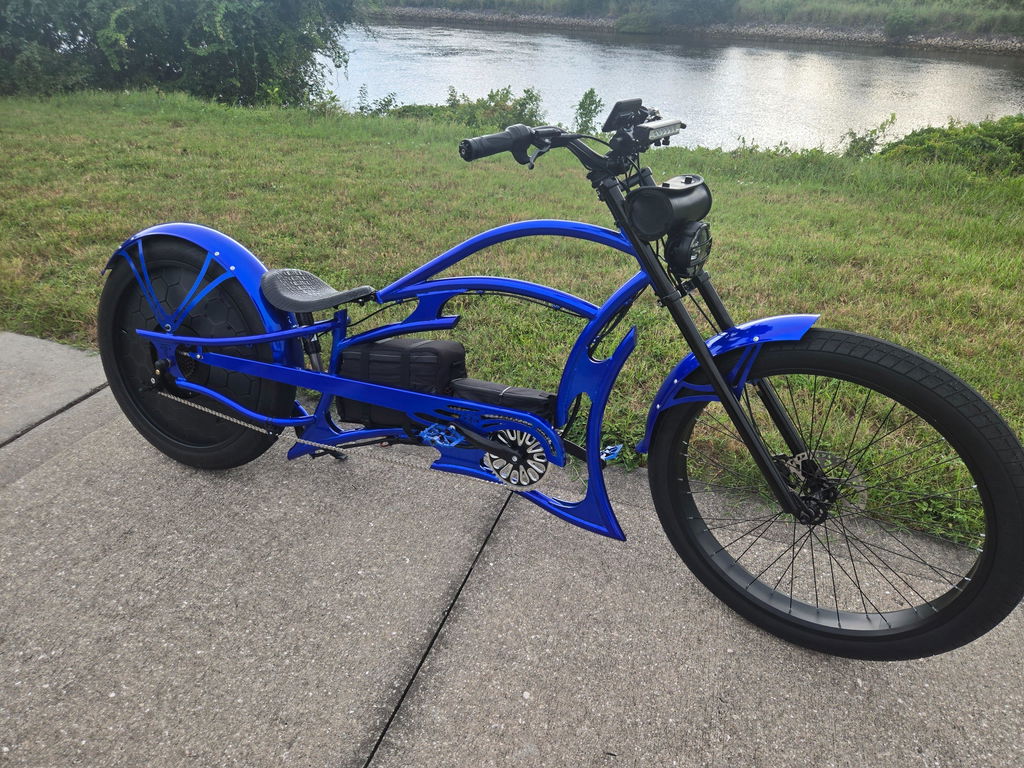
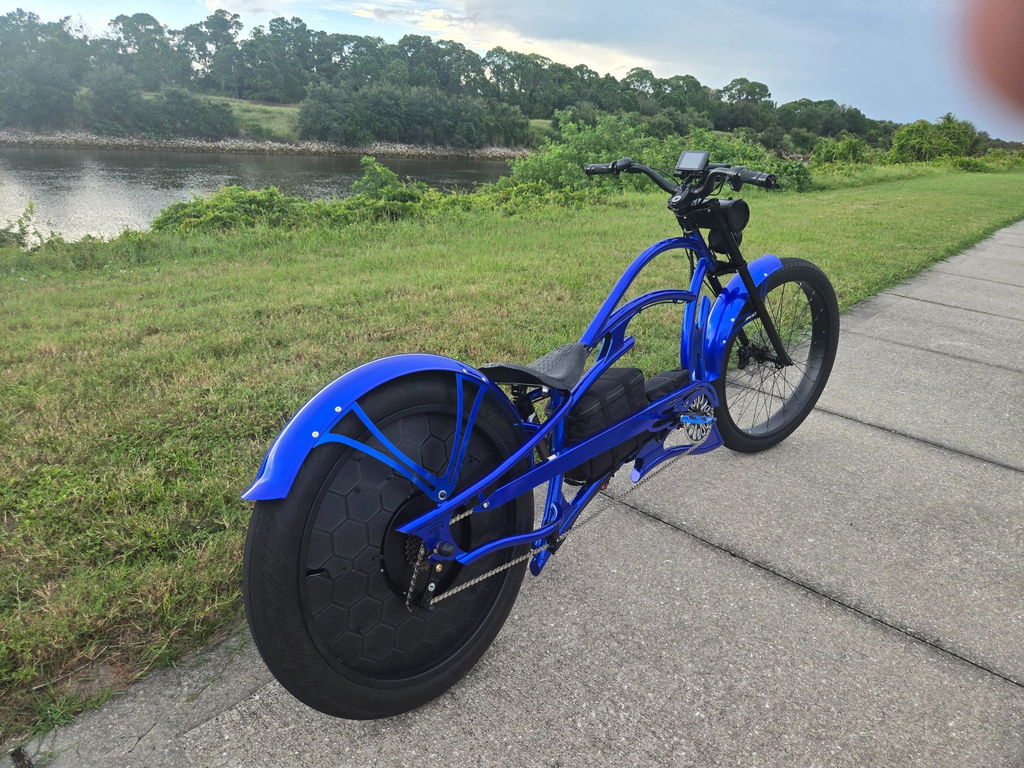
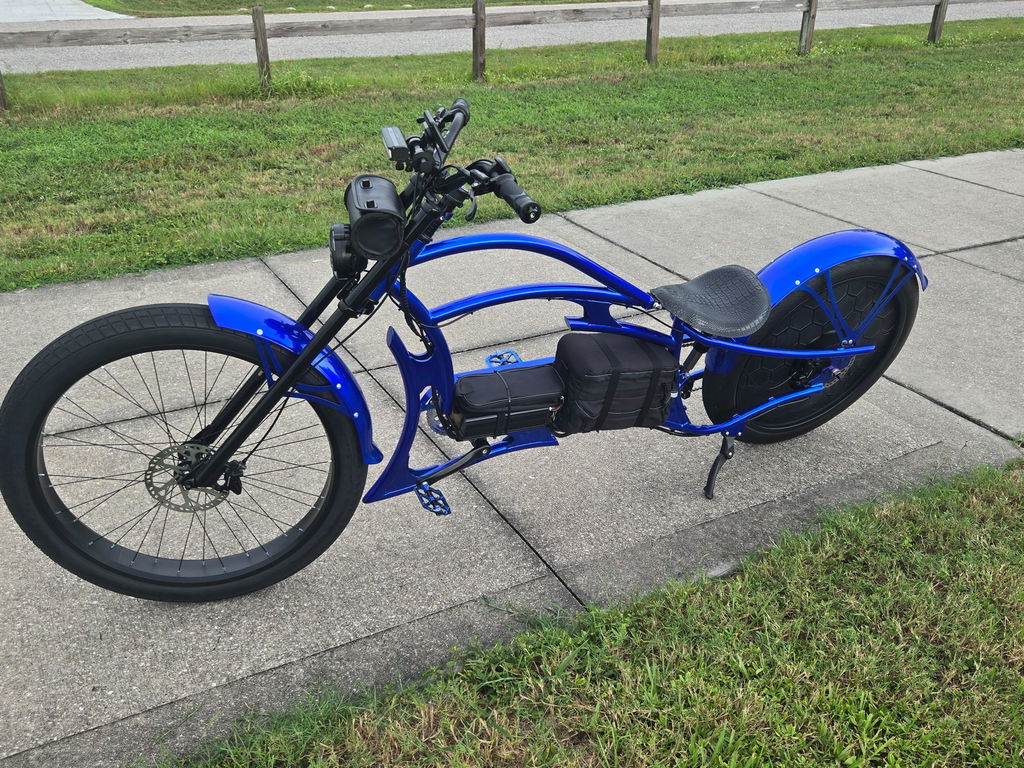
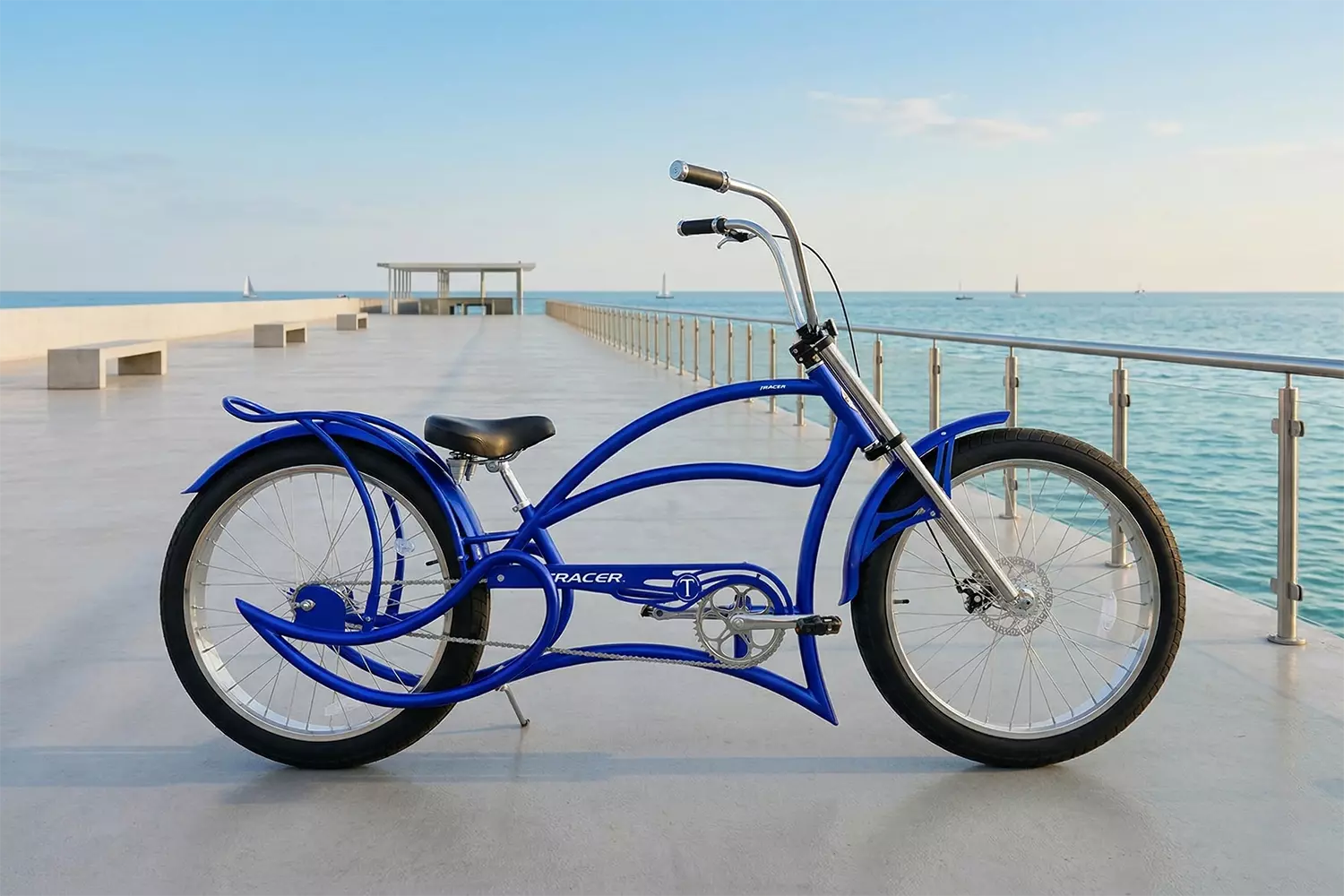
A cruiser bike is designed for relaxed, upright riding on flat surfaces. Unlike mountain bikes, which focus on off-road performance, or road bikes, which prioritize speed, cruisers aim for comfort and stability.
Key features include:
- Wide, padded saddle: Helps distribute weight evenly and reduce pressure on the sit bones.
- Upright handlebars: Promote a neutral spine and reduce neck and shoulder strain.
- Wide tires: Typically, 2–2.5 inches for better stability and shock absorption.
- Simple gearing: Single-speed or 3–7 speeds to minimize complexity.
- Steel or aluminum frame: Steel adds durability and smooth ride quality; aluminum reduces weight for easier handling.
For beginners: The upright posture and wide tires make it easier to balance, start, and stop, while the padded seat reduces soreness during rides of 20–40 minutes.
Advantages of Cruiser Bikes for Beginners
Cruiser bikes are popular among new riders for several reasons:
1. Easy to Control
Most cruiser bikes have fewer gears and simple drivetrains, which helps beginners:
- Avoid constant gear shifting confusion.
- Maintain a steady speed with minimal effort.
- Build balance and confidence on flat roads.
Because cruiser bikes focus on stability rather than speed, beginners can learn basic cycling skills without feeling overwhelmed.
If you want a deeper breakdown of how quickly beginners can adapt, check out How Easy Is It to Ride a Cruiser Bike? Here's What You Need to Know, where real riding scenarios and learning curves are explained in more detail.
2. Comfortable Riding Posture
Cruisers allow riders to sit upright, keeping your back and neck relaxed. Wide, padded seats provide extra support, reducing discomfort on short or medium-length rides. This comfort is especially valuable for beginners who haven’t developed cycling stamina.
3. Stability and Safety
The low center of gravity and wide tires improve balance and reduce the risk of tipping over. For new riders:
- Turning and stopping are easier.
- Learning to ride feels safer.
- Confidence grows faster compared to narrow-tire bikes.
4. Low Maintenance
With fewer moving parts, cruiser bikes are easier to maintain:
- Single-speed or limited-gear bikes have simpler chains and fewer derailleurs.
- Brakes are usually easy to adjust.
- Tire pressure and chain lubrication are the main routine checks.
This simplicity helps beginners focus on riding rather than frequent repairs.
Limitations of Cruiser Bikes
Despite their advantages, cruiser bikes are not perfect for all beginner scenarios.
1. Limited Hill Climbing
Most cruisers have limited gearing, which makes climbing steep hills difficult. Beginners may:
- Tire more quickly on slopes.
- Require extra effort for uphill commutes.
If you frequently ride hilly terrain, consider a hybrid or geared bike for easier hill handling.
2. Lower Speed
Cruiser bikes are heavier and designed for relaxed riding:
- They are slower than road or hybrid bikes.
- Long-distance rides take more time and energy.
- Riders may find it inefficient for commuting longer than 5–10 miles.
3. Heavier Weight
Steel frames and wide tires add weight:
- Acceleration requires more effort.
- Maneuvering in tight spaces may be harder.
- Heavier bikes are less suitable for transporting upstairs or on public transport.
On flat terrain, weight is less noticeable, but it’s something to consider if portability is important.
Cruiser Bikes vs. Other Beginner Bikes
Here’s a detailed comparison to help new riders decide:
|
Feature / Bike Type |
Cruiser Bike |
Hybrid Bike |
Mountain Bike |
|
Ease of Control |
⭐⭐⭐⭐ |
⭐⭐⭐ |
⭐⭐ |
|
Comfort |
⭐⭐⭐⭐ |
⭐⭐⭐⭐ |
⭐⭐ |
|
Hill Climbing |
⭐⭐ |
⭐⭐⭐ |
⭐⭐⭐⭐ |
|
Long Distance Efficiency |
⭐⭐ |
⭐⭐⭐⭐ |
⭐⭐⭐ |
|
Maintenance |
⭐⭐ |
⭐⭐⭐ |
⭐⭐⭐⭐ |
|
Urban Riding |
⭐⭐⭐⭐ |
⭐⭐⭐⭐ |
⭐⭐ |
|
Weight |
Moderate |
Light to Moderate |
Heavy |
Notes:
- Hybrid Bikes: Versatile, good for commuting and leisure; balance comfort and speed.
- Mountain Bikes: Excellent off-road, suitable for hills, rough trails; heavier and more complex.
- Cruiser Bikes: Ideal for casual riding on flat surfaces; very beginner-friendly.
For a more detailed comparison beyond beginner use cases, you can explore Cruiser Bikes vs. Regular Bikes: Choosing the Right Ride for Your Lifestyle to better understand which bike type fits your daily riding needs.
Choosing a Cruiser Bike as a Beginner
Here’s what beginners should consider when selecting a cruiser bike:
1. Frame Size and Comfort
Proper sizing ensures safe riding:
- 150–165 cm (4’11”–5’5”): Small frame
- 165–180 cm (5’5”–5’11”): Medium frame
- 180+ cm (5’11” +): Large frame
A correct frame allows feet to touch the ground when sitting, improving balance and control.
2. Reliable Braking System
Safety is crucial for beginners. Look for:
- Linear-pull brakes (V-brakes): Easy to adjust, effective on flat terrain.
- Disc brakes: Better stopping power in wet conditions or hilly areas.
Well-functioning brakes help prevent accidents and build confidence.
3. Gearing Options
While single-speed bikes are simplest, 3–7 speed options provide:
- Easier starts on mild inclines.
- Reduced leg fatigue on longer rides.
- Flexibility for varied terrain.
4. Tire Width and Pressure
Wider tires improve:
- Stability and grip.
- Shock absorption on uneven surfaces.
- Confidence for beginners learning to balance.
Lower tire pressure compared to road bikes adds cushioning and a smoother ride.
5. Materials and Frame Build
- Steel frames: Durable, heavier, smoother ride.
- Aluminum frames: Lighter, resistant to rust, slightly stiffer.
For beginners, steel is often preferred for its forgiving ride, while aluminum is easier to lift or transport.
Best Scenarios for Beginner Cruiser Bikes
- City Streets: Comfortable for flat roads, short commutes, and errands.
- Beachfront or Scenic Routes: Perfect for leisurely rides and sightseeing.
- Weekend Short Rides: Great for exercise without exerting too much energy.
Maintenance Tips for Beginners
1. Chain and Drivetrain: Clean and lubricate every 50–100 km.
2. Tire Pressure: Check weekly or before long rides.
3. Brake Inspection: Ensure pads are functional and cables tight.
4. Seat & Handlebar Adjustment: Keep ergonomic angles to reduce discomfort.
Regular checks prolong bike life and improve riding safety.
Riding Tips for New Riders
- Keep shoulders and wrists relaxed.
- Maintain a steady pedal rhythm.
- Scan the road ahead for obstacles.
- Take short rides initially to build stamina.
Proper technique reduces fatigue and builds confidence.
If you're just getting started, it's also helpful to avoid common beginner mistakes—New to Cruiser Bikes? Top 10 Mistakes You Must Avoid for a Smooth Ride covers practical tips that can save you time and frustration.
Conclusion
Cruiser bikes are excellent for beginners, especially for flat terrain, casual rides, and short commutes. They are easy to control, comfortable, and low-maintenance, making them ideal for first-time cyclists. However, they are less suited for steep hills, long-distance commuting, or high-speed riding.
Key Tips for Beginners
1. Choose the correct frame size for your height.
2. Ensure reliable brakes for safe stopping.
3. Perform basic maintenance regularly for smoother rides.
4. Start with short rides and gradually increase distance.
With these tips, new riders can enjoy safe, comfortable, and confident cycling experiences.
FAQ
1. Do cruiser bikes require special skills for beginners?
No. They are designed for simple handling. Beginners can focus on balance and braking without worrying about complex gears.
2. What size cruiser bike is best for a beginner?
Choose a frame that allows your feet to touch the ground while seated. Small, medium, or large depends on your height and leg length.
3. Are cruiser bikes good for city commuting?
Yes, for short flat routes. They are comfortable and easy to control. Longer or hilly routes may require a hybrid or geared bike.
4. How much does a beginner cruiser bike cost?
Industry averages: $300–$800 USD. Prices vary by material, braking system, and gear count.
5. Can cruiser bikes handle hills?
Limited gearing makes climbing steep hills challenging. They are ideal for flat to mild inclines.
6. Are cruiser bikes comfortable for long rides?
Wide seats and upright posture reduce strain, but they are less efficient over long distances compared to hybrids or road bikes.
7. Do cruiser bikes require frequent maintenance?
No. Fewer moving parts mean simple maintenance: chain, brakes, and tires.