If you’ve ever wondered how your cycling computer tracks your mph, or how e-bikes adjust power as you pedal, the answer lies in three tiny but powerful devices: speed sensors, cadence sensors, and torque sensors.
Whether you’re a casual commuter, a weekend warrior, or a competitive cyclist, understanding these bike sensors can transform your rides—helping you track progress, optimize performance, and make e-biking feel more natural.
In this complete guide, we’ll break down what each sensor does, how they work, pros and cons, and which one (or combination) is right for you.
Why are bike sensors important?
Sensors are the "brain" behind modern cycling technology. They provide the critical data needed to enhance your ride:
- Performance Tracking: Sensors give riders real-time data (speed, cadence, power, distance) for training and improvement.
- Motor Control (ebikes):Sensors tell the controller when, how much, and how smoothly to apply motor assistance.
- Efficiency: Smarter assist saves battery power and reduces strain on the motor.
- Safety & Comfort: Smooth acceleration, controlled speed cut-offs, and predictable behavior.
- Customization: Riders can adjust assist levels, training zones, and even diagnose bike performance.
The Three Core Bike Sensors Explained
A speed sensor is a bike accessory that measures your riding speed and distance by tracking wheel revolutions. Unlike a cadence sensor (which measures how fast you pedal), a speed sensor focuses on how fast the bike itself is moving.
How It Works
- Magnet-based type (classic): small magnet attaches to a spoke, and the sensor mounts on the fork. Each wheel revolution is detected to calculate speed.
- Wireless accelerometer/gyro type (modern): No magnet needed. It mounts on the wheel hub and uses internal motion sensors to track speed.
The sensor transmits data via Bluetooth or ANT+ to a bike computer, smartphone app, or eBike display.
Why It’s Useful
- More accurate than GPS in tunnels, forests, or poor signal areas.
- Essential for indoor training on stationary trainers (since GPS doesn’t work indoors).
- Helps track performance and ride logs.
- On eBikes, the speed sensor often works with the motor controller to regulate pedal-assist cut-off (for example, many systems limit assist above 25 km/h in the EU or 28 mph in the U.S.).
2. Cadence Sensor:
A cadence sensor is a device used on bicycles to measure the pedaling rate (cadence), expressed in revolutions per minute (RPM). It tells you how fast you are turning the pedals, not how hard you’re pushing.
How It Works
- Magnetic/optical sensor (basic type): A magnet is attached to the crank arm, and the sensor is mounted near the bottom bracket. Each pedal rotation triggers the sensor to record cadence.
- Accelerometer-based sensor (modern wireless type): No magnets are needed; it uses motion detection to calculate RPM.
- Typically connects via Bluetooth or ANT+ to bike computers, smartphones, or eBike displays.
Why It’s Useful
- Efficiency: Helps riders maintain an optimal cadence (usually 70–90 RPM for most cyclists) to avoid fatigue.
- Training: Useful for structured workouts (e.g., high-cadence spin training).
- eBikes: Some pedal-assist systems use cadence sensors (or torque sensors) to regulate how much motor assistance to provide.
A torque sensor is the most advanced type of sensor used on eBikes and high-end custom builds. Unlike a cadence sensor (measures how fast you pedal) or a speed sensor (measures bike movement), a torque sensor measures how hard you press on the pedals and tells the motor to match your effort.
How It Works
- The sensor is usually built into the bottom bracket, crankset, or rear dropout.
- It detects the force (torque) you apply to the pedals and converts it into an electrical signal.
- The eBike controller then delivers motor power proportionally to your pedaling force, making the ride feel natural.
Why It’s Useful
- Natural Riding Feel: Feels like your own legs are stronger, not like the bike is pushing you.
- Efficient Power Use: Motor only gives what you need, extending battery life.
- Great for Hills & Starts: Smooth power delivery prevents jerky launches or over-assist.
- Preferred by Enthusiasts: Higher-end eBikes use torque sensors for a premium ride quality.
Comparison of Sensors
|
Sensor Type |
Measures |
Ride Feel |
Cost/Complexity |
|
Cadence |
Pedal RPM |
Simple, on/off assist |
Low |
|
Speed |
Wheel RPM |
Regulates assist limit |
Low |
|
Torque |
Pedal Force |
Smooth, natural assist |
High |
The Power of Dual Sensor Systems
Modern e-bikes rarely rely on just one sensor. Combining them creates a vastly superior ride.
1. Cadence + Speed Sensor (Most Common)
Measures how fast you pedal and how fast the bike moves. This combination prevents "ghost pedaling" (spinning the pedals wildly without moving the bike) and is highly useful for basic e-bike assist control and training apps like Zwift.
2. Torque + Cadence Sensor (High-End Systems)
Measures how hard you push and how fast you pedal. This provides the perfect balance between detecting raw effort and riding rhythm, resulting in the smoothest and most natural motor assistance available.
3. Torque + Speed Sensor (Performance Focused)
Measures pedal force and actual ground speed. This allows the motor to dynamically fine-tune power delivery based on both your leg effort and how fast the bike is currently traveling.
Tracer Sensor Applications for Electric Bike
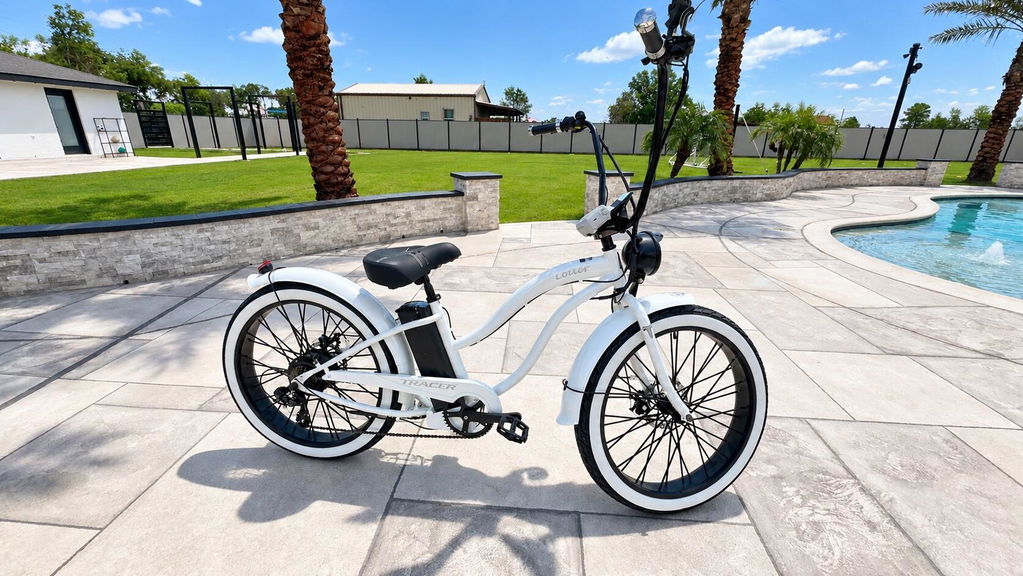
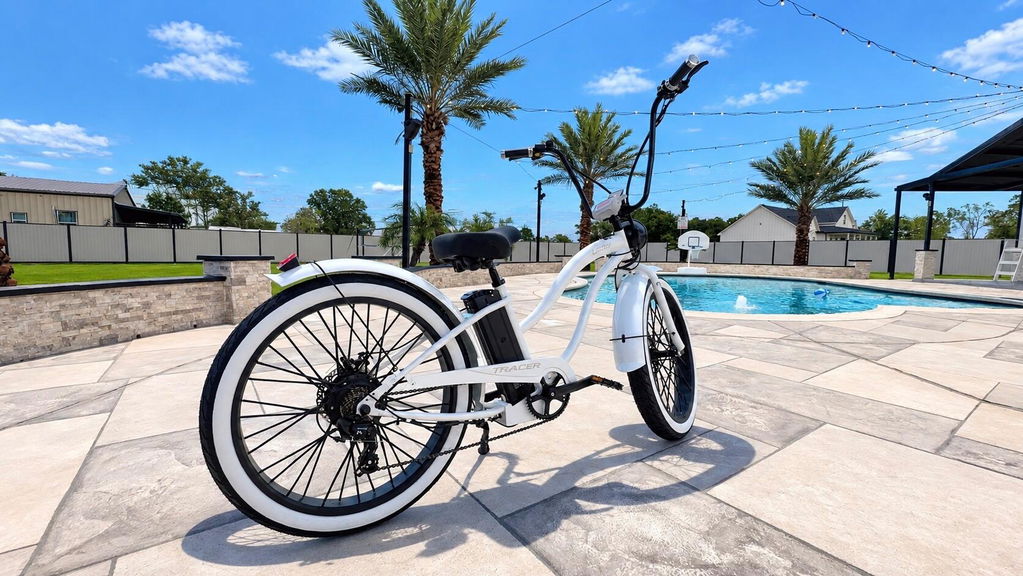
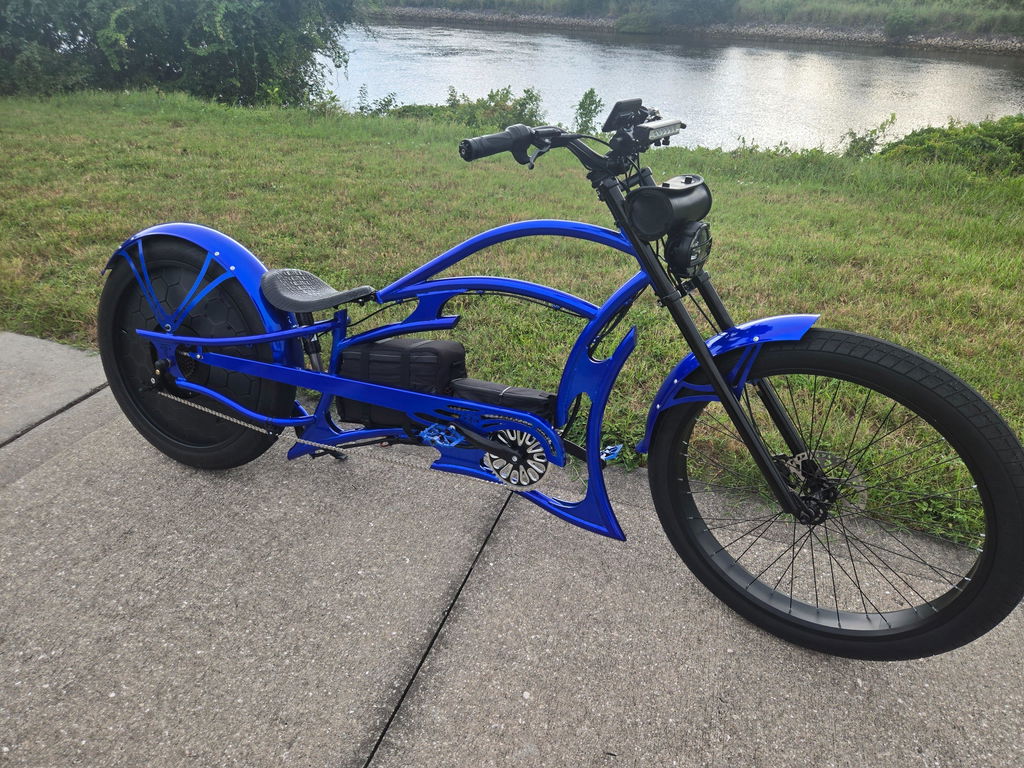
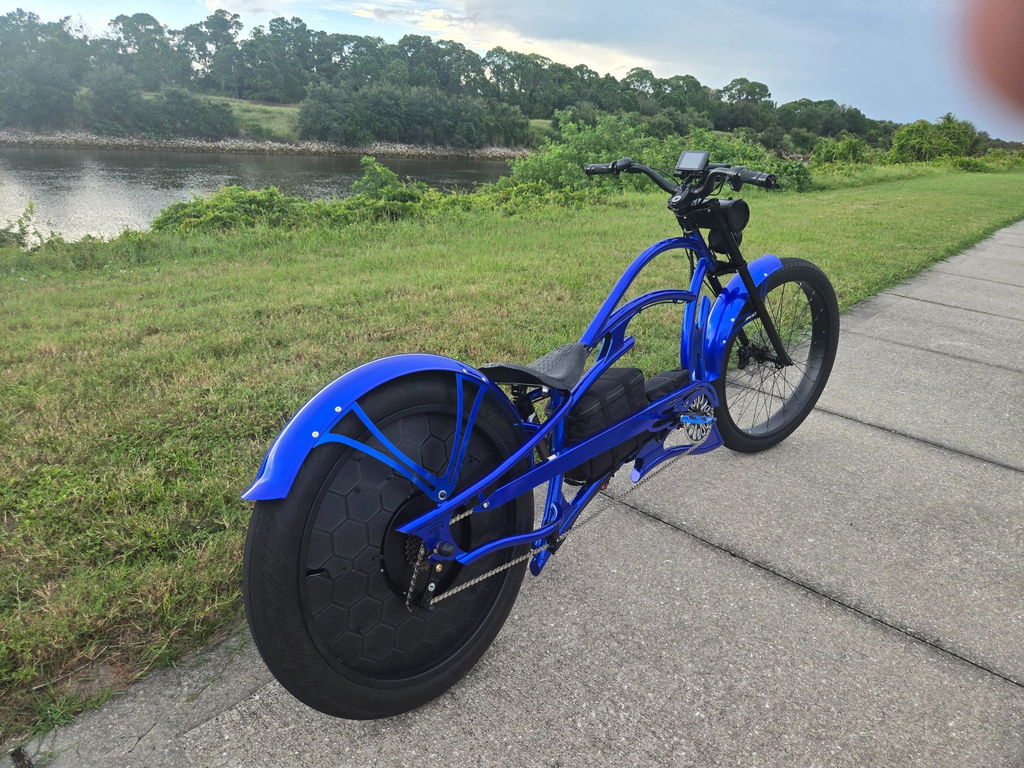
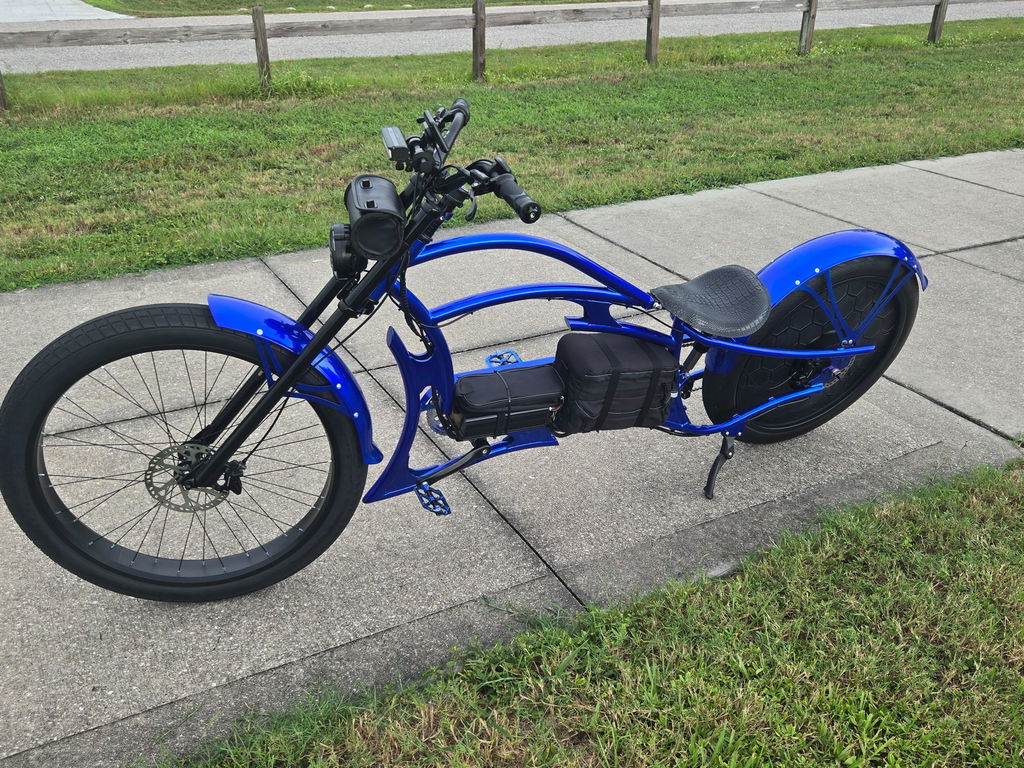
As a long-distance cruising e-bike, its integrated speed + torque sensor is key, working with the 800W motor and Samsung 48V/20Ah battery to optimize rides.
- Sensor Logic: Speed sensor tracks real-time speed (up to 30mph) for the color display; torque sensor detects pedal force. Together, they enable 3 riding modes + 5 assist levels: boosts assist for climbs (smooth with dual suspension/FAT tires) and cuts it for flat roads to save battery (55-65 miles range).
- Safety & Control: Sensor data (speed/assist) on-screen; speed sensor triggers sensitive 180mm hydraulic brakes at >25mph. Ideal for users wanting power + comfort on long rides.

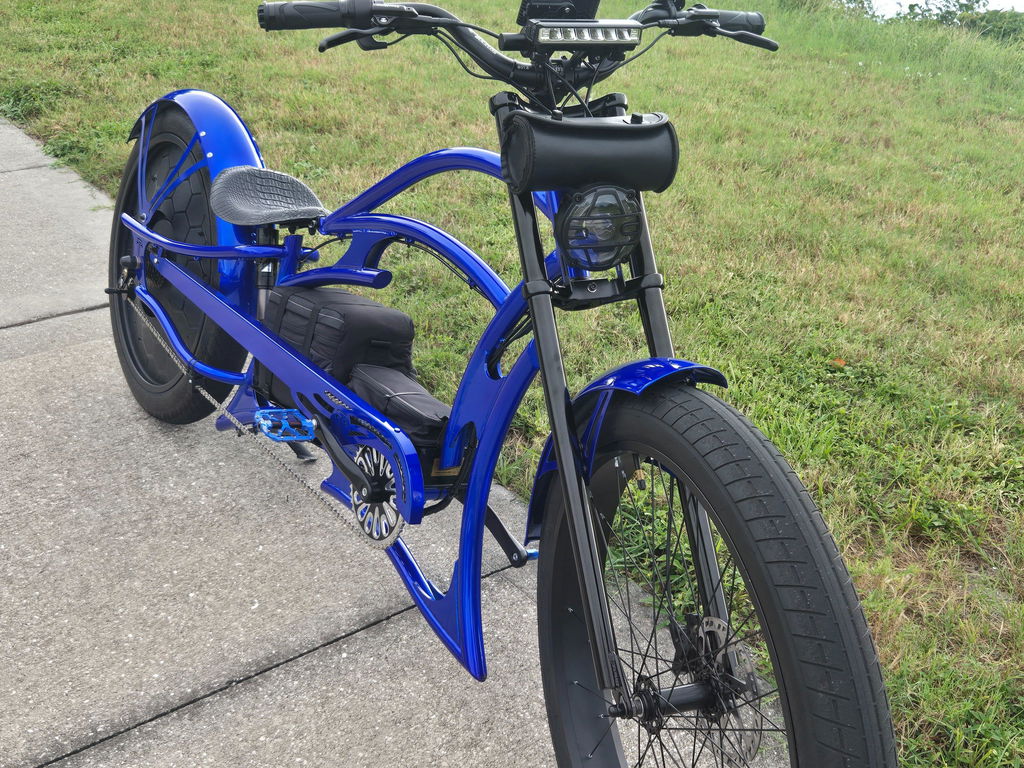
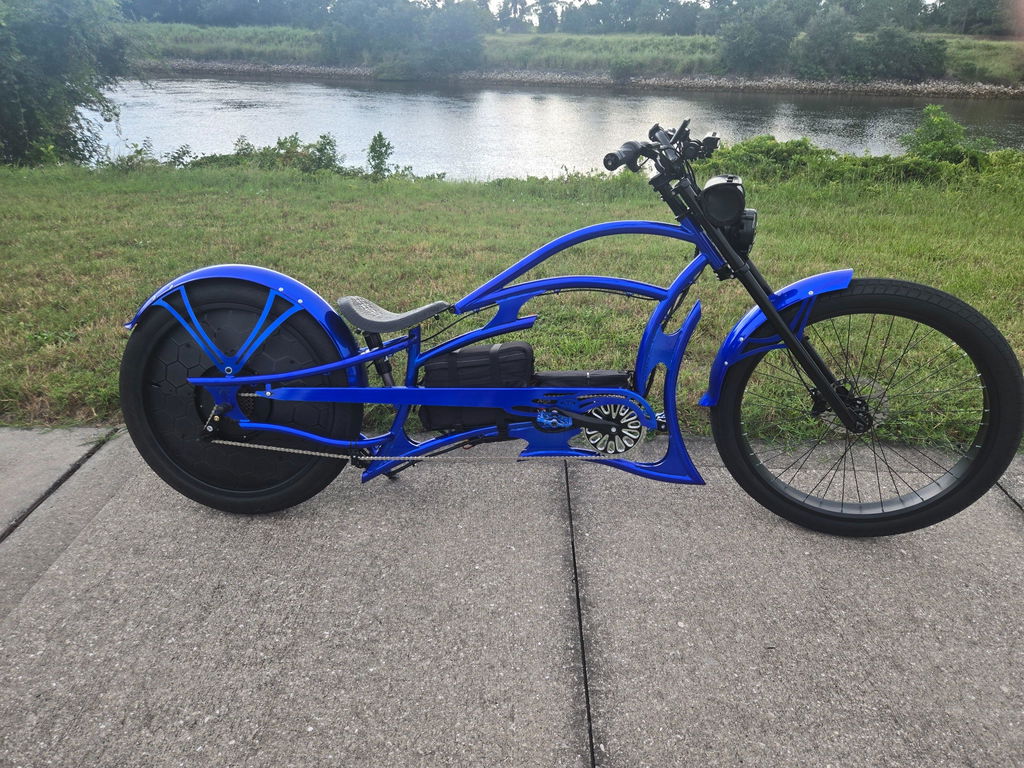
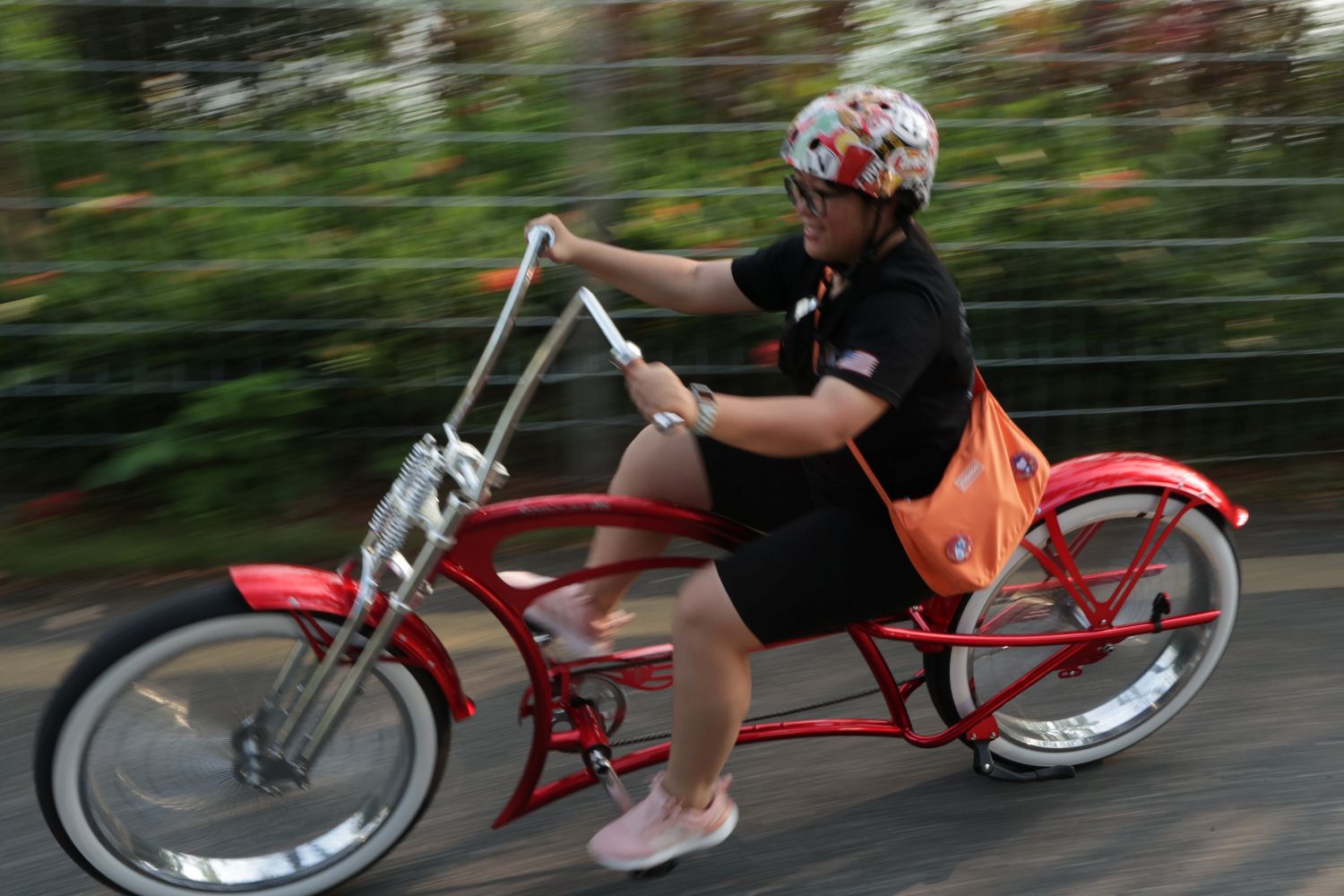
This vintage-style urban e-bike uses an integrated speed + torque sensor with 800-1000W motor and LG 48V/17.5Ah battery.
- Urban-Focused Sensor Use: Torque sensor is sensitive—light pedal taps trigger low assist in NYC/LA traffic (avoids jerks); speed sensor logs speed (up to 25mph, U.S. compliant) and mileage for LED screen. Range: 30 miles (pure electric), 55-65 miles (assisted).
- Design Integration: Sensor’s 3 assist levels adapt to relaxed high-handlebar posture (prevents back fatigue); quick assist boosts for city slopes. Low sensor power + 4-6hr charge suit daily commutes. Perfect for style-focused urban riders.

🎁 Exclusive Reader Bonus: Ready to experience the incredibly smooth ride of a torque-sensor e-bike? Use promo code BLOG10 at checkout to get 10% OFF the Tracer Raptor Pro DS, Beyond Pro, or any other premium e-bike in our store!
Buying Guide
The key is to choose the right combination of sensors for your specific cycling needs.
|
Cycling Type |
Recommended Sensors |
Why It Works |
|
Urban Commuting |
Speed Sensor |
Tracks trips & time |
|
Fitness / Training |
Cadence + Speed |
Efficiency + pace |
|
eBike / Daily Commute |
Torque + Speed |
Natural assist + safety |
|
Pro / Performance |
Power Meter + Cadence + Speed |
Precision + racing data |
Conclusion
Bike sensors are the invisible foundation of smarter, safer, and more enjoyable cycling. Speed sensors give commuters accurate tracking, cadence sensors help fitness riders refine their physical efficiency, and torque sensors deliver a deeply natural assist for e-bike enthusiasts.
For most riders, dual-sensor setups strike the absolute best balance—combining precision, smoothness, and value. By matching the right sensor combination to your personal riding goals, you can turn every trip into a more efficient, comfortable, and highly intentional experience.
Thanks for reading! As a special bonus for our blog readers, enjoy 10% OFF your next order with code BLOG10.
Simply enter BLOG10 at checkout and save on your favorite Tracer bikes. Don't miss your chance to ride for less—your next adventure starts today!
Use Code: BLOG10
FAQ
Q1: Can my smartphone's GPS replace bike sensors?
A: Not completely. GPS is notoriously inaccurate in tunnels, dense forests, or amidst tall city buildings, and it does not work at all for indoor training. Dedicated bike sensors are far more precise and save your phone’s battery life.
Q2: Is paying extra for a torque sensor really worth it?
A: Absolutely, especially for e-bike riders. Torque sensors provide instant, natural-feeling pedal assist. Instead of a sudden jolt of power, the motor smoothly amplifies your own effort, which is a game-changer when climbing hills or fighting strong headwinds.
Q3: Do bike sensors require a lot of maintenance?
A: No, they require minimal upkeep. Simply keep them clean from heavy mud, ensure the magnet and sensor are properly aligned (if using a basic model), and replace the small coin-cell battery every 6 to 12 months.
Q4: Can I install sensors myself?
A: Yes for speed and cadence sensors—they are DIY-friendly. Torque sensors, however, are usually factory-integrated into e-bikes and not designed for aftermarket installation.