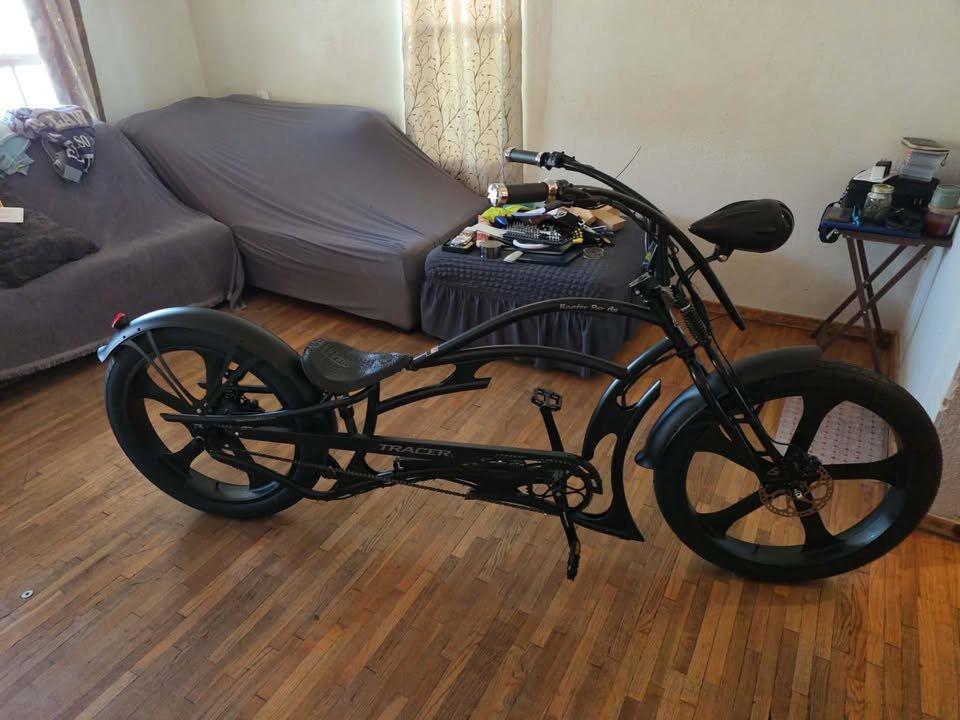
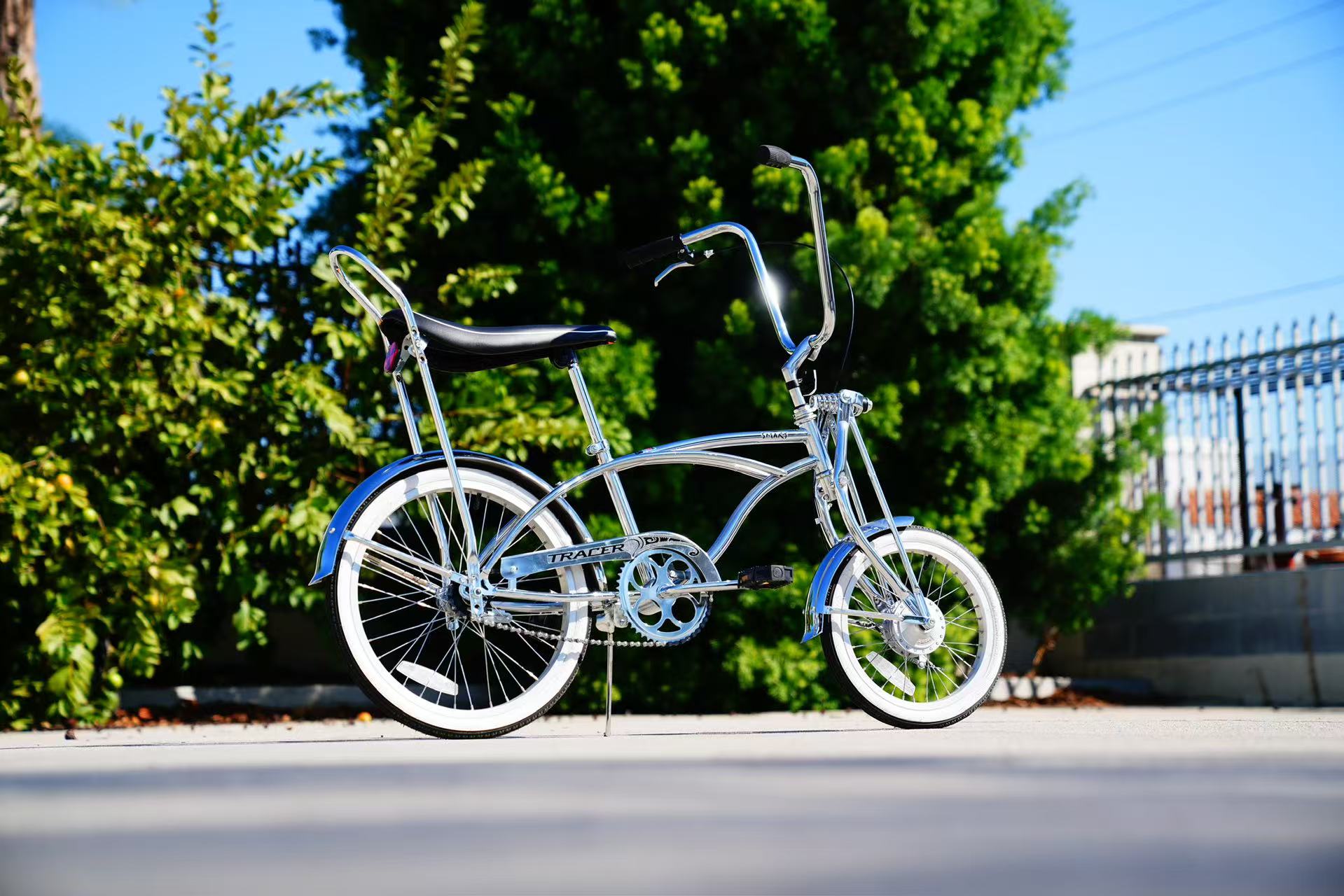
A lowrider bike is a custom bicycle designed to mimic the style and culture of classic lowrider cars. They first gained popularity in the 1960s and 1970s in California, especially within Chicano culture, as a creative expression of individuality and craftsmanship.
Unlike standard bicycles built for aerodynamics or speed, lowriders are designed purely for style. The goal is to “ride low” with gleaming chrome accents, bold paintwork, and heavy customization.
From their underground roots, lowrider bikes have evolved into global icons. This guide explores their history, unique features, the lifestyle behind them, and the best modern options available today.
I. The Origins and History of Lowrider Bikes
Lowrider bicycles originated in 1960s California within the Chicano community. Riders sought to bring the exact same “slow and low” spirit of customized lowrider cars to their everyday bicycles.
These early creations did not come from massive corporate bicycle manufacturers. Instead, they were born from local craftsmen, youth groups, and passionate community members. Early DIY builders customized standard bikes by cutting and modifying frames for a stretched look, installing vintage springer forks, and lacing 140-spoke wheels for extra flash.
As demand for this unique aesthetic grew, manufacturers finally took notice and began producing dedicated lowrider frames, wheels, and accessories.
What Else Are They Called?
While "lowriders" or "lowrider bicycles" are the most direct terms, you will frequently hear them referred to as:
- Chopper bikes: Nodding to their stretched frames and motorcycle-inspired geometry.
- Custom cruisers: Emphasizing their relaxed, beach-cruiser-like riding position and heavy customization culture.
II. Design and Features
Key Features That Make a Lowrider Bike Unique
What separates a true lowrider bike from a standard beach cruiser or BMX? It comes down to the meticulous, show-stopping hardware.
- Banana Seat & Sissy Bar: A long, curved saddle paired with a tall rear metal bar, directly inspired by motorcycle choppers.
- Ape Hanger Handlebars: Tall, upward-swept handlebars that force the rider's hands up high, creating a dramatic and confident riding posture.
- Springer Forks: Vintage-style front suspension forks utilized more for their bouncing aesthetic than actual shock absorption.
- Overspoked Wheels: While a standard bike wheel has 36 spokes, lowriders often boast 72, 100, or even 144 tightly laced spokes for ultimate flash and structural strength.
- Chrome & Custom Paint: Heavy use of polished chrome parts, metallic or candy paint finishes, and highly detailed, hand-painted pinstriping.
- Extreme Accessories: Custom mirrors, twisted metal pedals, velvet accents, chain-link steering wheels, and sometimes even functional hydraulic systems.
III. Lifestyle and Culture
Riding a lowrider bike is not about racing to the finish line or commuting to work—it is fundamentally about expression, identity, and lifestyle.
The Experience
Sitting low and stretched out, you cruise at a comfortable, deliberate pace. With chrome gleaming under the sun, lowriders are essentially "rolling art." You don't just ride a lowrider; you present it.
The Evolution Today
What began as underground DIY builds has grown into a recognized, thriving niche in the modern cycling world:
- Youth Appeal: Many kids and teens are first introduced to cycling through stylish 16" or 20" lowriders.
- Collectors’ Market: Adults actively hunt for, collect, and restore vintage 1970s models.
- Customization Industry: Entire businesses now exist solely to provide specialized lowrider bike frames, twisted metal wheels, and custom accessories.
IV. Building or Buying a Lowrider Bike
If you are inspired to own one of these magnificent machines, you generally have two paths: build your own from scratch or buy a ready-made model.
Building Your Own
Starting with a bare lowrider bike frame, you can individually source 140-spoke wheels, a banana seat, ape hangers, and finish it with custom paint. DIY builds usually cost between $200 and $800, depending heavily on the rarity of the parts. The result is a 100% unique, one-of-a-kind ride.
Buying Ready-Made
For those who want the look without the garage time, buying a prebuilt model is highly convenient. Expect to spend $500–$1000 for a high-quality, prebuilt lowrider. This is the best route for getting a reliable, professionally assembled showpiece right out of the box.
3.Lowrider vs Cruiser Bikes: Key Differences
Although both focus on style and comfort, lowriders and cruisers are distinct:
|
Feature |
Lowrider Bike |
Cruiser Bike |
|
Purpose |
Cultural expression, artistic display |
Leisure riding, comfort |
|
Frame |
Dropped or modified designs |
Upright and relaxed |
|
Handlebars |
Ape hanger style |
Flat or slightly curved |
|
Wheels |
72–140 spokes, often chrome |
36–72 spokes, balloon tires |
|
Seat |
Banana seat with sissy bar |
Wide padded saddle |
|
Use Case |
Shows, parades, cultural identity |
Beach rides, casual commutes |
|
Performance |
Built for style, not speed |
Balanced comfort and usability |
V. Tracer Bikes Lowrider Collection
Modern lowrider enthusiasts don’t need to build everything from scratch. Tracer Bikes offers retro-styled, durable models that combine classic looks with reliable performance.
1. Classic Lowrider Bikes
Tracer Smart Classic Lowrider Beach Cruiser (Single Speed)
- Vintage design with springer fork, ape hanger handlebars, banana seat, and sissy bar.
- Single-speed drivetrain with coaster brake—easy to use and maintain.
- 16” front wheel and 20” rear fat tire for balance and style.
- Aluminum rims and full fenders add both function and retro flair.

Tracer Hyena Classic Beach Lowrider (140H Wheel)
- Available in multiple colors including matte black, blue, green, and purple.
- Features iconic 140-spoke wheels for the true lowrider look.
- Single-speed drivetrain with rear coaster brake.

2.Stretch Lowriders
Tracer Scorpion Pro DTS 26” Stretch Chopper Cruiser
- Oversized steel stretch frame,handcrafted with premium finish.
- Dual spring chrome fork, retro U-type handlebars.
- Fat white wall ires:26x3.0 front/26x4.0 rear.
- Single speed with coaster brake,leather saddle with shock absorber.
- Alloy chrome rimes with 140H spokes for strength and shine.

3.Why Choose Tracer Lowrider Bikes?
- Authentic retro styling with modern craftsmanship.
- Easy-to-maintain single-speed setups.
- Wide range of colors to match your personality.
- Great price point compared to custom builds.
🎁 Reader Exclusive Bonus: Ready to start cruising? Use promo code BLOG10 at checkout to get 10% OFF your new Tracer lowrider or stretch chopper bike! Explore more at Tracer bike
Conclusion
Lowrider bikes—also called lowriders, choppers, or cruisers—are more than bicycles; they are expressions of style and culture on two wheels.
Born in the Chicano communities of 1960s California, these bikes transformed ordinary frames into rolling works of art.
Today, lowrider bikes continue to inspire riders worldwide. Whether you build your own or choose a ready-made model, they remain timeless icons of creativity, individuality, and pride.
FAQ:
Q1: Are lowrider bikes good for kids?
Yes. Many models come in 16–20-inch sizes, making them ideal for children while offering a fun introduction to bike culture.
Q2: What's the main difference between a lowrider and a cruiser?
While both look cool, lowriders are primarily about self-expression, showmanship, and cultural identity. Cruisers are built slightly more for practical comfort and casual, everyday rides.
Q3: How heavy are lowriders compared to cruisers?
Lowriders often weigh more due to steel frames and overspoked wheels—typically 35–45 lbs.